

Getting Headaches When Using Noise Cancelling Headphones? This Might Be Why
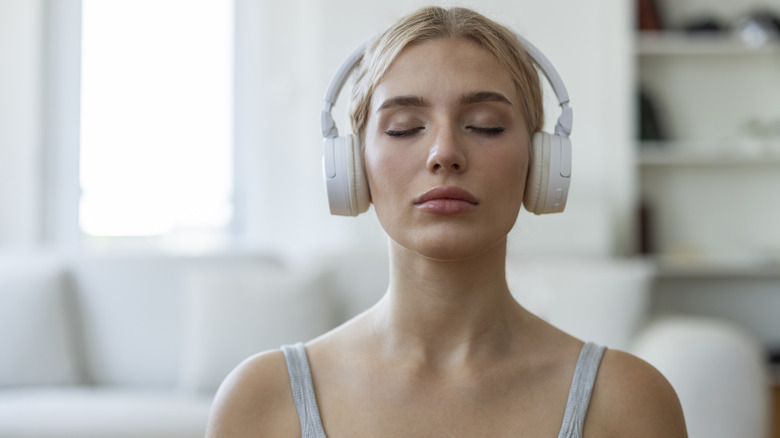
Noise-cancelling headphones are great for blocking out background noise so you can focus on what you want without distraction. However, many have experienced some level of discomfort while using them, regardless of whether they're using budget or high-end noise-canceling headphones. You might notice pressure in your ears, similar to the feeling of being on a plane or underwater, which can cause a headache in severe cases.
To understand why this happens, you probably need to understand how noise-canceling headphones work. There are two types: active noise cancellation (ANC) and passive noise cancellation. The latter simply muffles sound by being over or inside the ears, while ANC uses two microphones to detect and counter low-frequency sounds with opposing signals. These cancel one another out, resulting in that calm and quiet sensation when you first put the headphones on.
That pressure you feel when using ANC headphones is not actually happening in your ears; it's literally all in your head. Essentially, your brain expects the ambient sounds it's used to — like the hum of the room or the sound of cars going by — so it interprets the silence as pressure. Fortunately, that means ANC pressure isn't something you just have to live with.
How to mitigate headaches when using ANC headphones

There are a few ways to mitigate the discomfort caused by ANC headphones. The first has to do with your choice in noise-canceling headphones. Some cheaper headphones use stronger ANC to eliminate as much sound as possible, which just worsens that disorienting feeling and other side effects. If you know you're sensitive to audio, pick headphones with less powerful ANC, and consider different options to find what works for you. Some of the best noise-canceling headphones that money can buy allow you to change the ANC level.
You don't necessarily have to buy new headphones to make your listening experience more comfortable. Fit can also impact ANC effects, as tighter headphones and earbuds block out more sound. Just adjusting your device so it fits looser in or over your ears can make a difference, as can simply taking a break from ANC when you start to feel audio fatigue. There are promising advances in audio technology that could improve noise-canceling headphones.
A 2025 study published by South Korean researchers in the journal Movement (via ScienceDirect) presents a new way to lessen the discomfort caused by ANC called Conditional DiffWave. Essentially, this generates audio waves that specifically counteract the ANC pressure effect, working with existing noise cancellation tech rather than replacing it. While it's probably a long way from being implemented in consumer products, Conditional DiffWave is a promising sign that the ANC headphones of the future will cause fewer headaches.