

Why There's Simply No Need For A Fitbit Anymore
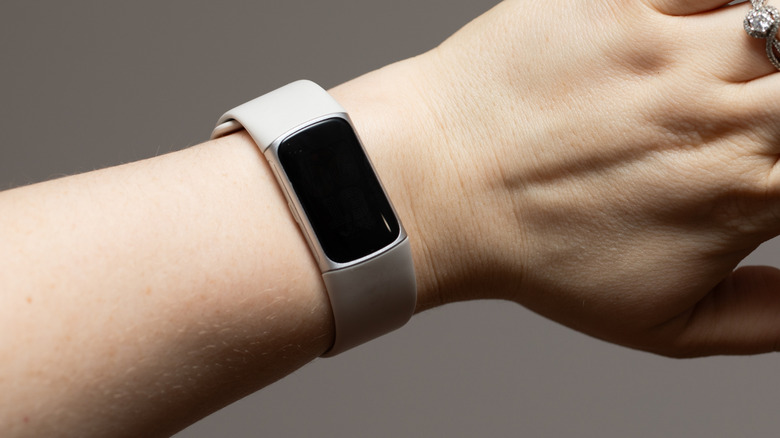
Fitbit has been synonymous with fitness tracking since it was founded in 2007, the same year that Apple released its first iPhone. The company has adapted many times over the past two decades as wearable technology advanced and more manufacturers have entered the space. Competitors, including Garmin, Apple, Samsung, Oura, and others, have eroded Fitbit's market share, though its devices remain popular with both reviewers and consumers.
Ironically, what could be Fitbit's downfall is its own parent company. In 2021, Google acquired Fitbit and years later, appears to be sunsetting the brand. The company has not confirmed this, but its actions or lack thereof speak volumes. Aside from the kid-oriented Fitbit Ace LTE 2024, Google hasn't released a Fitbit since the Charge 6 in 2023. That's a long time in tech years. So, what's going on?
Google hasn't officially made any announcements about the future of Fitbit, but it has discussed its plans with some tech outlets. It told TechRadar that it plans to release more Fitbits in 2026 but offered no specific details about timing or what will be announced. The company also told some outlets that it was discontinuing the Sense and Versa lines.
Fitbit's future with Google is uncertain
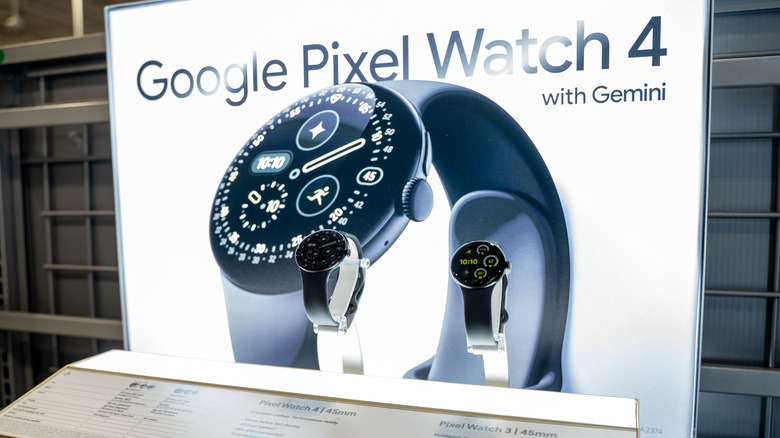
With all this mystery, it's natural to be hesitant to buy a Fitbit in 2026, especially if you're looking for smartwatch-level functionality. Thankfully, there are plenty of Fitbit alternatives available that offer some of the Fitbit magic, like community features, activity challenges, Wi-Fi, and built-in voice assistants. And while there are lots of premium options, the market is large enough to offer many affordable options, depending on your budget.
If you're not bothered by Google's actions, the most obvious place to look is at its Pixel Watch line, which offers Fitbit health tracking and six free months of Fitbit premium. Some features, like the Daily Readiness score, which used to require a premium account, are now free with the Pixel Watch 4, which retails for about $350.
Other cheaper alternatives include the Samsung Galaxy Fit 3 which sells for just under $50 and offers a slew of workouts and comprehensive health tracking. Garmin's Forerunner 55 is more expensive at about $200, and is a great choice for runners looking for training tools. If you have an iPhone, the Apple Watch SE 3 is about $250 and has most of the health tracking features of its higher priced siblings and looks just as stylish. None of these smartwatches require a paid subscription either.