

NASA Approved The iPhone 17 Pro Max For Space Travel – Here's What It Took
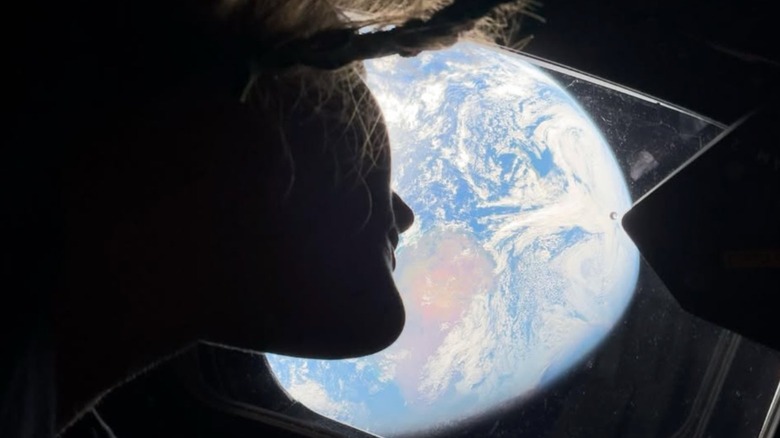
Every now and then, Apple products go into space. For example, NASA's Perseverance rover is powered by an old Mac chip. But it's not the same as sending a product made for Earth to space. With man returning to the Moon after 50 years, what also made the news is that NASA's Artemis 2 crew took four iPhone 17 Pro Max devices with them. Most interestingly, Apple didn't arrange the iPhones — they were supplied by NASA. Apple gets to benefit from free marketing, as some of the most astonishing out-in-space photos have been taken from iPhone lenses.
According to the New York Times, this was one of the first times NASA allowed astronauts to fly with smartphones. The crew got the new iPhones in March before their quarantine started. However, to get there, the spatial agency had to conduct months of testing to see how Apple's iPhones would react to these extraordinary conditions. Usually, the process of approving new hardware is lengthy and takes four phases: Introducing the piece of hardware to a safety panel, identifying potential hazards of the hardware, a plan to address these hazards, and proving that the plan works.
NASA imposed a few restrictions to using the iPhones in space
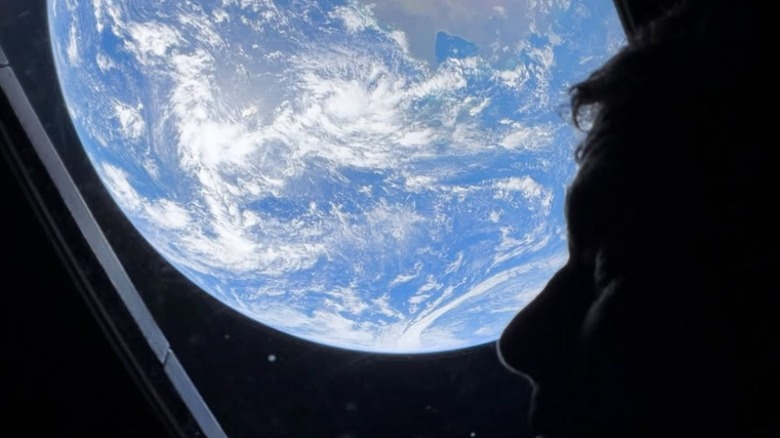
The New York Times reports that astronauts can't use the iPhone for everyday tasks like calling someone on FaceTime, playing games, or using any other connectivity features. These devices can't connect to the internet or use Bluetooth — they can only be used to take photos and videos.
This is because NASA needs to approve everything that goes inside a spacecraft. If the space agency had to test the iPhone's radio transmitter and how it works in a tightly controlled electromagnetic environment, the tests might have taken a lot longer.
Still, it's safe to assume the four astronauts have a lot more to do while they're heading to the Moon than being on their phones. Even with just photos and video capabilities, the astronauts were able to capture outstanding shots of Earth and the Moon. NASA is also releasing incredible photos taken from a Nikon on Instagram, Flickr, and other social media platforms.
This is Apple's best free marketing campaign yet
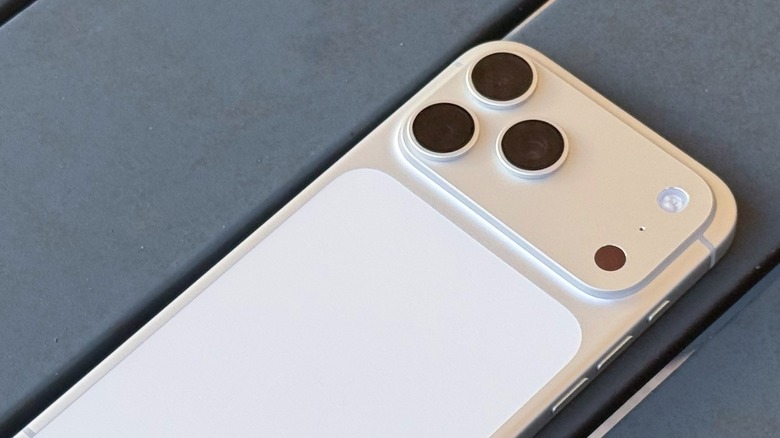
Every time Apple releases a new iPhone, it heavily promotes its camera capabilities. With the iPhone 17 Pro, it wasn't any different. As a matter of fact, the company quickly started to highlight how it would start using this device for the final 2025 Friday Night Baseball broadcast, and that users could expect the same stream quality as before.
With this generation of iPhones, Apple also focused on the 8x optical zoom, as the company says that this technology is equivalent to a 200mm focal length lens, while also having a sensor 56% larger than the previous model for the Telephoto lens. Another big improvement to this iPhone generation is the selfie camera, which Apple now calls the Center Stage front camera with up to 18MP of resolution. With it, it's possible to take landscape photos without rotating the iPhone, and this is also something the Artemis 2 crew did in space.