

5 Major Brands That Are Actually Owned By Apple (And What Changed After The Acquisition)
On April 1, 2026, Apple celebrated its 50th anniversary. Over the years, the company has had several ups and downs — the firm even had to ask for help from Microsoft once to not go bankrupt at one point. While Apple is now living through some of its best financial moments, the company got where it is not only by internal talent and breakthrough discoveries, but also by acquiring different brands. Some of the most important acquisitions might not have come from famous firms, like AuthenTec, which laid the groundwork for Touch ID, or PrimeSense, which helped with the development of Face ID. Still, there are a few brands that you might not know are owned by Apple but represent a big shift for the company, like NeXT, Siri, and Beats.
While Apple is usually very discreet about its acquisitions, and we don't hear much about its deals, there have been more public reports regarding this process. In early 2026, the company made its second-biggest acquisition ever by spending $2 billion on an AI startup nobody ever heard about. The company, which focuses on how AI can understand the way we express ourselves through our face, voice, and emotions, could set the ground for something huge in a few years. These are some of the other major brands that Apple owns and what changed after the company acquired them.
NeXT (1996)
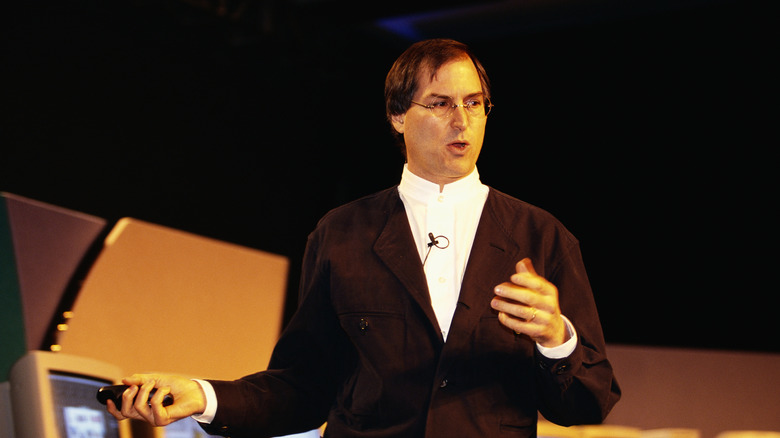
One of Apple's first acquisitions was also one of the most important in its history. NeXT was a company founded by Steve Jobs after he was fired from Apple in 1985. The computer company focused on high-end workstations and the Unix-based operating system with advanced software frameworks. At the time, Apple was suffering an operating system crisis, and NeXT had exactly what the company needed: Advanced memory management, preemptive multitasking, and a robust object-oriented development environment.
When Apple acquired NeXT, it used the foundation of this software for the basis of Mac OS X released in 2001, which eventually also gave space for Apple to develop iOS, iPadOS, and all of its other operating systems. The acquisition also allowed Apple to bring back Steve Jobs in a position of leadership, which he assumed until shortly before he died in 2011.
While NeXT as a company disappeared, it was probably the most important acquisition the company made so far. Once Apple absorbed it, it once again had Steve Jobs back as Apple CEO while making that technology the backbone of everything the company ships to this day.
Siri (2010)
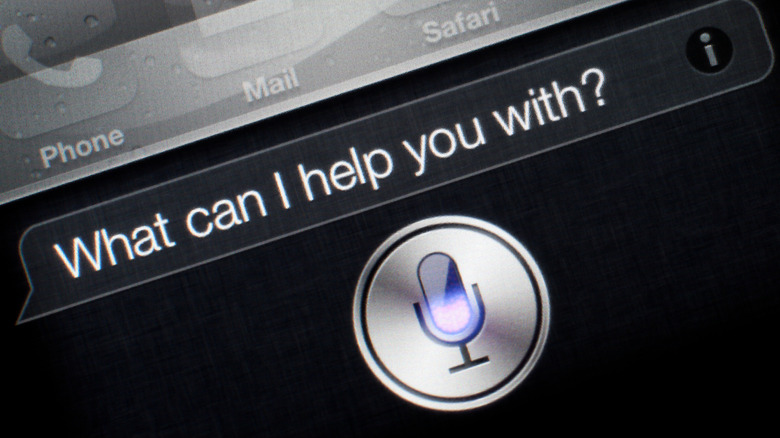
Siri was not always Apple's technology. In fact, it started as a consumer-facing app, owned by SRI International. It launched in February 2010 as a voice-powered assistant that could help users find restaurants, book services, and answer questions through natural language. After that, Apple acquired the entire company, which was planning to expand its business to Android and Blackberry.
A little more than a year later, Apple made Siri a fundamental part of the iPhone 4S, as it became the personal assistant available with this phone. Deeply integrated into iOS, Siri could message other users, access the calendar, and control the iPhone 4S. Over the years, Apple baked Siri into its operating systems and expanded the voice assistant across its entire lineup, including iPad, Mac, Apple Watch, HomePod, Apple TV, and Apple Vision Pro.
What started as a disruptive technology is now far beyond the competition. Siri still lags behind in comprehension, follow-up questions, and an unfulfilled promise by Apple that the personal assistant would be more deeply integrated into the Apple Intelligence platform. Currently, we wait for the company to introduce its plans to announce an all-new Siri powered by a Google Gemini model, which will likely make it on par with other AI assistants and finally unlock a new era for the personal assistant on Apple devices. That said, a proper announcement is expected by WWDC 2026.
Beats (2014)
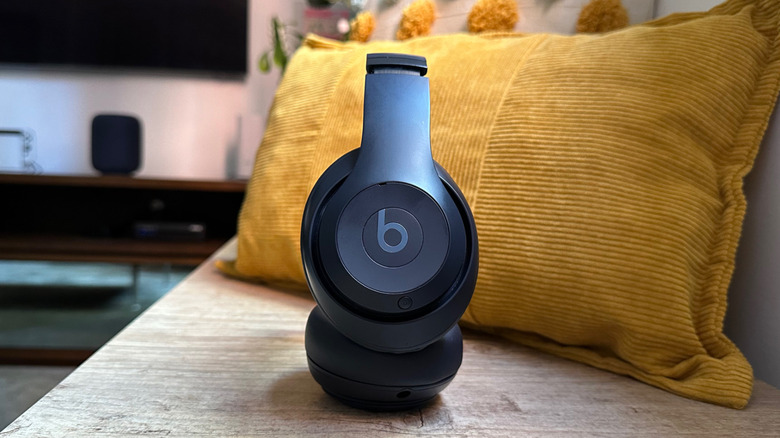
Reportedly Apple's biggest acquisition to date, the company bought Beats in 2014 for roughly $3 billion. The company had been in the market for five years prior, and it shook the music and sports world by becoming a market leader in the premium headphone market. Beats was known for cool headphones and speakers with a signature bass, and it was already partnering with big names like Lady Gaga, Lil Wayne, Nicki Minaj, and many more. In addition, Beats had a music streaming service called Beats Music, which eventually became the groundwork for Apple Music.
To this day, there are still several people who don't know that Apple owns Beats. Apple continues to push several Beats headphones for Android users, and an easy-to-use experience for both services. Currently, Beats is not only one of the major players in the headphones market, but it also has one of its best lineup of products ever. Apple recently refreshed all the products with a more premium look, better audio chips, and deeper integration with Apple's ecosystem. Beats has also expanded its offerings to iPhone cases and cables, tackling new markets.
Apple Music wouldn't exist, especially with all the radio stations, if it wasn't for Beats Music. Apple Music is currently the second most popular music streaming service available, and it was also responsible for Apple's push into services, which has now become a multibillion-dollar business for the company.
Shazam (2018)
Shazam was first released in 2002, exclusively in the UK, where users could dial a number to discover what song was playing in the environment. The company went a long way before its first app for iPhone users, which was released in 2008. From then through to 2018, the company remained independent, until Apple bought it for $400 million. During this decade, Shazam was available on all smartphones, expanded to several platforms, and was responsible for identifying billions of songs.
Unlike Siri, which Apple bought almost immediately after its initial release, the company went for a different strategy. Shazam remains broadly available on different platforms, even though Apple kept integrating it into its ecosystem. As of today, you can ask Siri to identify a song or open the Control Center to do the same. However, what changed during the past few years is that Apple only lets the service link songs to Apple Music. It's also deeply integrated with the streaming service, which means users can discover more albums of that artist, when they're playing a concert, music video clips, and more.
More recently, Apple announced that it's possible to use Shazam without an internet connection with a hidden iOS 26.4 feature. Once you're back online, the service will try to locate the song you're listening to. To this day, Shazam remains as one of the most recognizable services to identify music, and Apple, intelligently, still keeps its brand alive.
Pixelmator (2024)
One of Apple's latest acquisitions, Pixelmator is one of the most recognizable independent image editing apps on the Mac. Heavily connected with Apple's ecosystem, the original Pixelmator was released in 2007 as an affordable alternative to Adobe Photoshop for Mac OS X users. Over the years, the company expanded its software to the iPad and the iPhone with Pixelmator Pro and Photomator.
In late 2024, Apple announced it would purchase Pixelmator, and the acquisition was completed by February 2025. At first, people speculated Apple could do with Pixelmator what it did with Dark Sky: Integrating core parts of the apps into its built-in solutions, like the Photos app.
Earlier this year, Apple announced its Creator Studio bundle, which offers several software programs in a unique subscription, including Pixelmator Pro. While it's unclear what Apple is going to do with Photomator and the original Pixelmator app, it seems the company will still use the brand as part of its portfolio. Besides that, Apple continues to offer the original software as a one-time purchase for those who are not into subscriptions. Though it's unclear how long this could keep going, or if Apple will ever update the original apps.