

We Might Finally Know Why Google Pixel Phone Batteries Are Draining So Fast
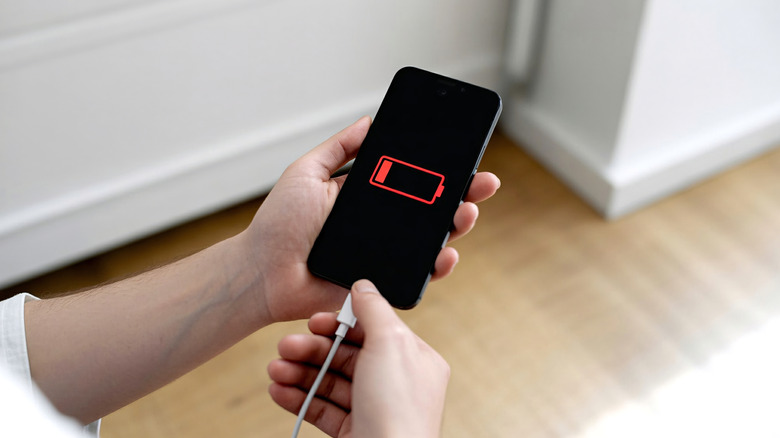
Ever since Google released the March 2026 Pixel Feature Drop, we've seen a variety of reports lamenting issues on Pixel devices, including problems with Google's phones not properly recognizing fast-charging connections. However, the complaint that seems to be popping up the most on forums centers around the Pixel's battery not lasting as long as it did before the update. And so far, it appears that April's Pixel update has not resolved this issue.
The exact cause of the issue remains unknown, however, one user shared their findings in a Reddit post that has since been deleted, reporting that the system appears to experience a bug which stops it from entering a mode known as Deep Doze. Doze Mode was introduced in Android 6.0 Marshmallow as a battery-saving feature that limits background activity, then Android 7.0 Nougat added tiers known as Lite Doze and Deep Doze, with the latter taking stronger measures to help conserve battery life when the screen is turned off.
The Reddit post spurred additional commenters to chime in about their experience with the issue so far. One user reported that they used to be fine taking their Pixel 10 Pro off the charger around six in the morning and not needing a charge until at least ten in the evening. However, since the update, that user says they need to put their phone on the charger by six or seven in the evening, despite most of that time being spent with the phone's screen off. While the details of these Reddit posts have since been deleted, a report of the findings was also created on the Google Issue Tracker, with others who have experienced the problem adding their own reports in the hopes of catching Google's attention.
Google has yet to confirm the cause of the Pixel's recent battery drain
What is especially important to note about these findings is that Google has not shared any official statement regarding the bug or the cause outlined in the post on Google Issue Tracker. So while this could very well be the cause of the recent spike in battery complaints, until Google actually notes that, we can't be sure. There could be more at work behind the scenes that the user who created the initial report did not discover. This issue also isn't to be confused with the 80% battery "bug" Pixel devices experienced in early 2026, which actually turned out to be intended behavior.
When it was first posted, the issue was marked as a P3 S3, which means it was rated as priority 3, severity 3 — low severity with low impact on users. Some users complained about this in the comments, and it appears, at least based on the most recent update to the page, that Google has at least acknowledged that the issue has been reported. That's because now it is marked as "assigned" and has been upgraded to P1 S1, which means it is rated as a severity 1 case with a priority 1 status. This essentially means Google sees this issue as a high priority with a high, possibly critical, impact on users.
This is far from the first high-impact bug the Pixel lineup has experienced over the years. Recently, the concerning Pixel 911 calling bug appears to have popped back up even on Google's latest devices.