

The Apple Watch Series 11 Is Great, But Smart Money Buys This Smartwatch Instead
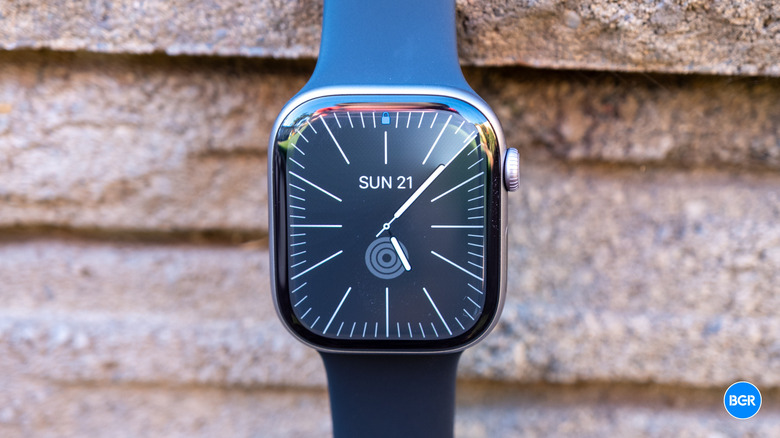
Apple unveiled the Apple Watch Series 11 (above) in September 2025, alongside the iPhone 17 series. The wearable is one of the two flagship smartwatches available in Apple stores and online, as of this writing. With prices starting at $399 (42 mm) and $429 (46 mm) for the GPS model, the Apple Watch Series 11 will offer buyers a high-end experience, featuring Apple's most advanced wearable health-tracking features and great battery life. However, buyers looking for their first watchOS device, and those interested in upgrading to a newer model, should not buy the Series 11 before considering a comparable device that should cost less. That's the Apple Watch Series 10 (below) that Apple launched in September 2024, a device that's almost identical to the Series 11.
Apple no longer stocks the previous-generation Apple Watch models, selling only the Apple Watch SE 3, Apple Watch Series 11, and Apple Watch Ultra 3. However, third-party retailers may still have Apple Watch Series 10 stock, including refurbished units, which they'll sell at a discount compared to the Series 11. Buying a refurbished Apple Watch Series 10 for $240 from Amazon (42 mm GPS model) or $319 from Apple (46 mm GPS model) is a much better deal than both the Apple Watch Series 11 and the Apple Watch SE 3. The latter starts at $249 (40 mm) and $279 (44 mm) for the GPS model. That's because Apple didn't give the Series 11 a big upgrade in 2025. The Series 10 features the same design and health features as the new model, and both offer a better experience than the Apple Watch SE 3.
Apple Watch Series 11 and Series 10 are almost identical
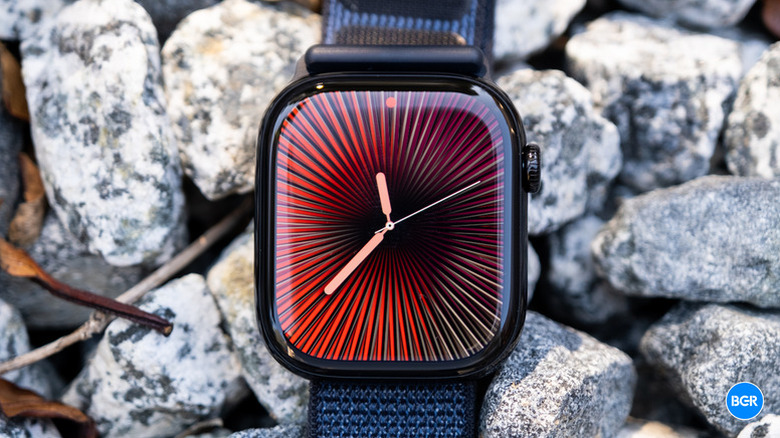
The Apple Watch Series 11 and Series 10 come in aluminum and titanium cases and offer buyers the same two sizes: 42 mm and 46 mm. The Series 10 is slightly lighter than the Series 11. For example, the 42 mm GPS aluminum Series 10 model weighs 30 grams, compared to 30.3 grams for the Series 11 version. Similar small differences appear when comparing titanium models or aluminum GPS + Cellular versions. The Apple Watch Series 11 has an Ion-X glass cover that's twice as scratch-resistant as the Series 10. The Titanium Series 11 model features a sapphire crystal display.
Both smartwatches feature LTPO3 wide-angle OLED displays that support up to 2,000 nits of brightness and Always-On functionality. They feature the same S10 chip, which packs a dual-core processor and four-core Neural Engine. Both watches have the same Apple W3 wireless chip, a second-generation Ultra Wideband chip, and 64 GB of built-in storage. Both devices support Wi-Fi 4 and Bluetooth 5.3 connectivity, but the Series 11 supports dual Wi-Fi 4 (2.4 GHz and 5 GHz). The Apple Watch Series 11 also supports 5G connectivity if you purchase the GPS + Cellular model.
When it comes to health tracking capabilities, both Series 11 and Series 10 devices will support the same features. They'll notify users about potential heart issues, including hypertension, high and low heart rate, irregular rhythm, and low cardio fitness. The watches can also measure blood oxygen and wrist temperature and determine the user's respiratory rate. The wearables track sleep and can provide sleep apnea notifications. Also, both devices can track the menstrual cycle and provide retrospective ovulation estimates. Since both devices support watchOS 26, they'll offer the same software features, including the same workout-tracking support, watch faces, and apps.
The only reason to buy the Apple Watch Series 11
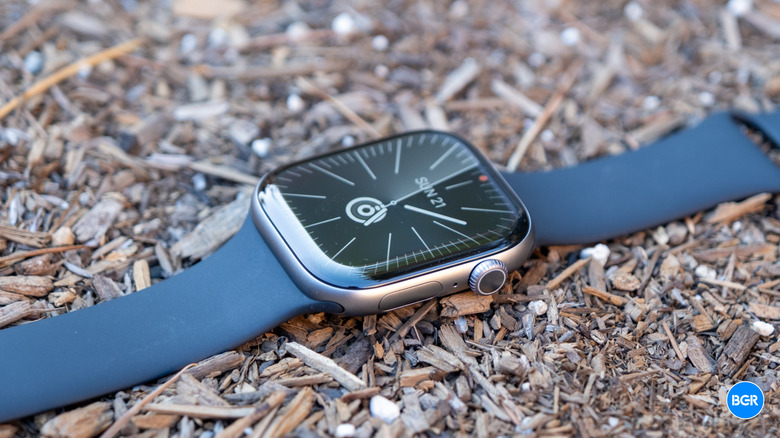
Support for 5G connectivity is one of the few advantages of the Apple Watch Series 11 over the Series 10. Battery life is the real difference between the two generations. The Apple Watch Series 11 is rated for up to 24 hours of battery life, compared to up to 18 hours for the Series 10. In practice, BGR's Apple Watch Series 10 battery life tests have shown that the wearable can last well over a day, even with consistent training. The Apple Watch Series 11 may last even longer, but the Series 10 already offers good battery life.
Both Series 11 and Series 10 support fast charging (0% to 80% in 30 minutes), but the Series 11 has a few additional charging perks. A 15-minute charge is enough for eight hours of use. A 5-minute charge will get you eight hours of sleep tracking. That said, the Series 10 charges relatively fast, so you should be able to wear it for almost the entire day and night.
With all that in mind, the only reason to buy the Apple Watch Series 11 instead of the Series 10 is the price. If the Series 11 drops to $299, or around that price point, the wearable would be a better deal than a similarly priced Series 10. Finally, there's one other reason why certain buyers may need a Series 10 over the Series 11. The 2024 model supports the older iPhone XS (which runs iOS 18), while the Series 11 needs an iPhone 11 model or later (with iOS 26 or later on board).