

Should You Close Your Browser Tabs Every Day?
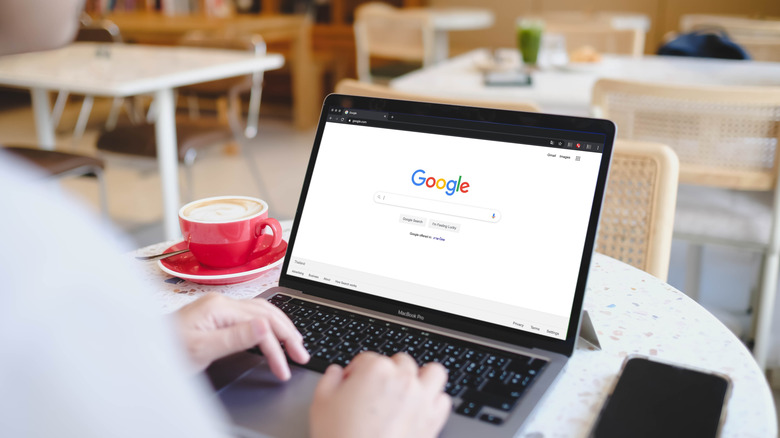
If you have dozens of websites open on your computer, including tabs that you saved several days or weeks ago and haven't gotten around to reading, you're not the only one. Many internet users open plenty of tabs at the same time, which makes it easier to consume information from separate sources and perform research. Maybe you're looking at travel options for your next vacation, or have several work-related sites open side by side. Maybe you're using different browsers for work and personal projects, and you have Incognito Mode windows open as well. But should you close those tabs in your browser at the end of the day, or leave them open for the next day? There's no single good answer to that question, because it's not just about the internet browser of your choice consuming precious resources on your computer. It's also about psychology and user preferences.
The answer also depends on the kind of computer you're primarily using. Newer devices are fast and more efficient. An internet browser requires data processing and therefore consumes memory and energy. But internet browsers have evolved significantly to cut down on resource use. Laptop users will pay attention to battery life, so app management will be more important for them than for desktop users. Then there are people who mostly rely on mobile devices, including iPhone and Android handsets, to browse the web. All these use cases can involve having multiple browser tabs open, including websites you may have forgotten about. But rather than resources, the human aspect may be more important when deciding whether to close browser tabs every day or leave them open.
Memory and battery life

Internet users worried about their browser using too much RAM and draining the laptop battery faster should know that browsers have implemented measures to reduce memory and energy use. For example, in 2019, WebKit identified CPU, GPU, wireless networking chips, and the screen as the main energy users on mobile devices. But Apple implemented measures to reduce energy use when a tab isn't actively used. On iPhones, tabs are suspended whenever possible, and processing is reduced for Safari tabs that aren't actively used on Macs.
Microsoft introduced sleeping tabs in 2020, as tests showed a 26% median memory reduction and 29% lower CPU use for sleeping tabs. At the time, Microsoft said the resources saved would result in "excellent battery savings." In 2022, the company said that Edge will automatically put tabs to sleep until the user resumes activity. The company added that sleeping a tab would save 83% of its memory on average, and that the browser would not discard the tab data to save memory. A few months after that, Google announced new performance settings for Google Chrome, saying that the browser will use "up to 40% and 10 GB less memory." Google called the features Memory Saver and Energy Saver, and made them available for Chrome versions across operating systems. In 2025, Google improved Energy Saver by freezing background tabs that may consume more resources.
Separately, laptop vendors have improved the performance and battery life of mobile devices, including smartphones and laptops. The chips are faster and more efficient, and battery life has increased. Combined with the resource management systems that modern browsers offer, the conclusion seems to be that internet users shouldn't need to close their tabs at the end of the day.
The human factor
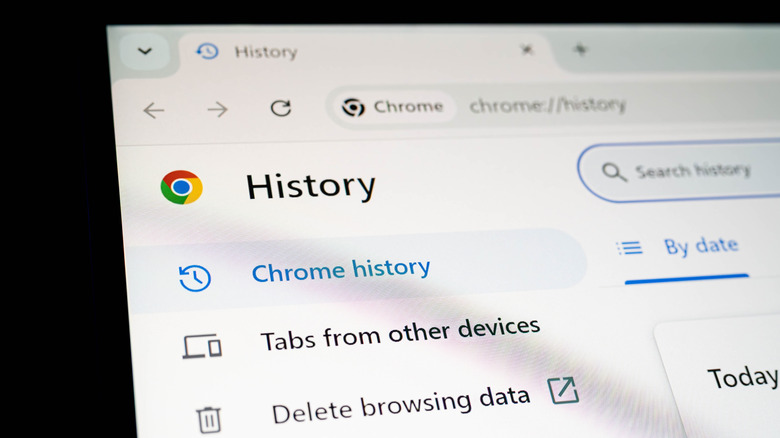
It's more convenient to leave the tabs open on a computer, so you can return to your work as soon as you wake the device from sleep the next day, especially if internet browsers no longer strain resources and reduce battery life. But there are also psychological factors at play that might dictate how internet users deal with browser tabs that have nothing to do with computer resources.
A person may have mixed feelings about the increasing number of tabs open in their browser, according to a 2021 study from Carnegie Mellon University. On the one hand, some users may want to close at least some of the tabs open on their devices. But they may also fear losing access to specific information, even though web browsers offer a history of the user's activity that can be quickly accessed to retrieve a lost website. The study listed various reasons why internet users may want to close tabs, including the user's limited attention span, the computer's small display that makes it difficult to navigate a cluttered browser, and the pressure to stay organized. It also mentioned reasons why tabs are useful. Tabs can serve as reminders for unfinished tasks, and allow the user to return quickly to websites they visit often. Open tabs also prevent the loss of information and may help users process more data, or give them that impression.
Interestingly, the researchers found that tab management may become difficult once the user has to deal with eight or more tabs. That's not to say that's how many tabs you should keep open in your internet browser to avoid stress, but just an indication that it's probably okay to close tabs you haven't returned to in a long time.