

5 Common Mistakes People Make When Buying A Foldable Android Phone
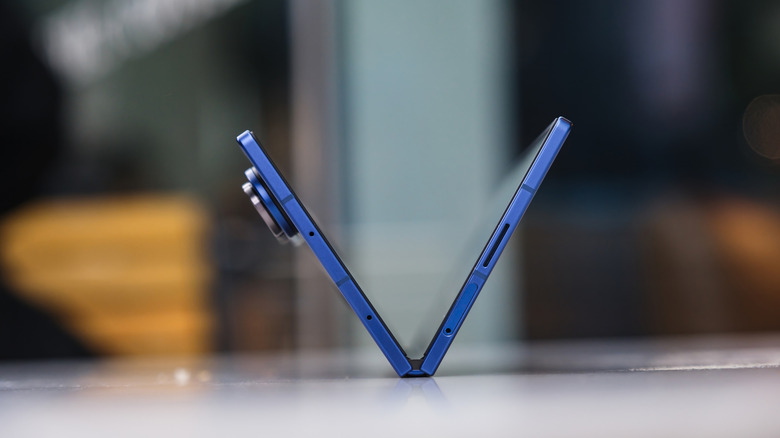
Foldable Android smartphones have been around for a while. Samsung's launch of its first foldable phone in 2019 took the category mainstream, and Apple is also rumored to be working on a phone that can fold. Unfortunately, years after the first foldable phone arrived on the shelves, we still don't have many devices of this kind available on the market. Part of the reason why that's the case is that these phones come with hefty price tags. For instance, the Honor Magic V5 starts at over $1,600, and Samsung's Galaxy Fold 7 starts at $1,999, a clear indicator that these phones aren't for everyone.
When you factor in the hefty price tag that you need to pay, buying a foldable phone shouldn't be a decision that you make on a whim. There are a variety of factors you need to consider before investing in your first foldable phone to make sure you don't regret your purchase a few weeks or months down the line. But even more important is understanding the common pitfalls that most people fall into when buying a foldable phone.
After reviewing different foldable phones over the years, we've learned some of the most common mistakes that people make when buying this kind of device to ensure you don't fall into them as well. Watching for these mistakes will ensure you have the smoothest ownership journey for whichever foldable Android phone you decide to buy.
Skipping extra coverage
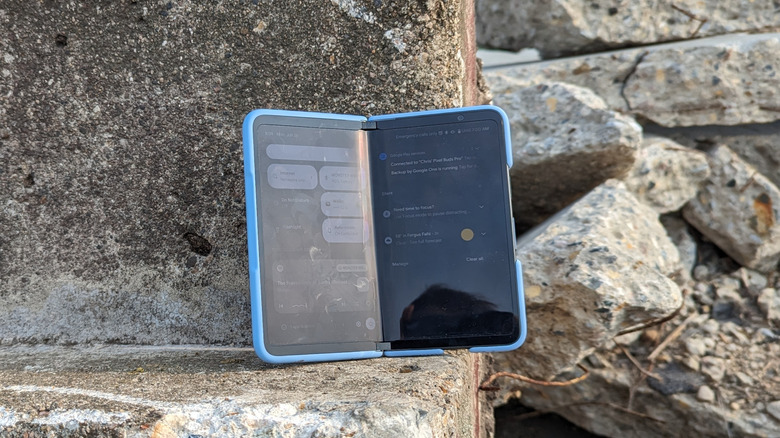
Foldable phones don't come cheap, and that makes buying one more of an investment than more affordable devices. And like any valuable that you might have in life, you might need protection in case of damage or loss. Major smartphone companies offer a standard limited warranty when you buy a phone from them for your peace of mind. However, these standard manufacturer warranties often won't give you enough protection for your expensive device. And that's because they mainly cover manufacturing defects that prevent the device from functioning properly.
They don't cover accidental damage, such as cracked screens from drops, and are typically limited to either one or two years. Considering how expensive foldable phones can be to repair, you shouldn't make the mistake of skipping extra warranty coverage if the company you're buying from offers it. For example, if you accidentally crack your inner Galaxy Z Fold 7 screen, you'll have to shell out $449 for a screen repair or $589 if you need a screen module replacement. For most people, that's not the kind of money you can easily spare to repair your phone.
But with an extended coverage plan like Samsung's Care+ subscription, you'll only need to pay $29 to fix the screen. That's why it's important to at least consider extra coverage, as it can help reduce the cost of repairs in case of accidental damage. Certain extended coverage plans also come with an option to protect your phone against loss, so you don't have to pay the full price to replace your expensive device. Of course, these extended plans aren't free, either — Care+ starts at $13/month or $269 for a two-year term, for example. Even so, one big repair could pay for that entire cost.
Ignoring the manufacturer's advice
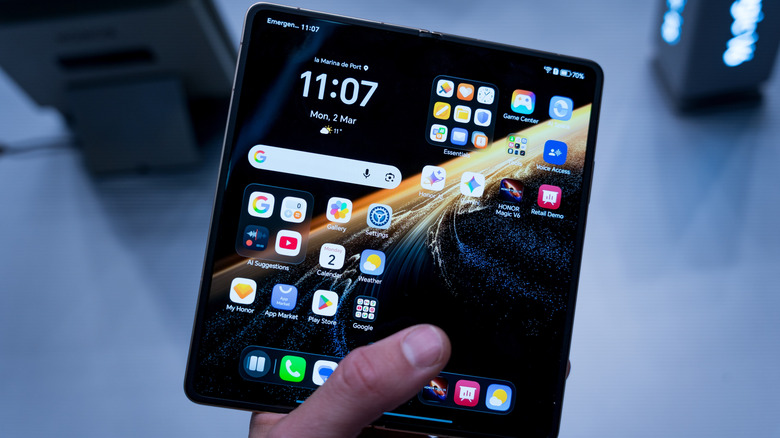
The manufacturer of any foldable phone knows best how to get the most out of the device and how you can keep it in pristine condition for the longest time possible. Unlike conventional slab phones, foldable ones have a screen that is flexible and a hinge that allows you to close or open the device whenever you want or need to. However, while the folding screen unlocks a new level of experience, the movable components make these devices somewhat fragile, and, in a similar fashion, they need more care than your typical slab smartphone.
So when a manufacturer recommends certain practices in how you should handle the device, which might not seem sensible at first, you should heed their advice because ignoring it might lead to problems. For example, Honor advises against exposing its foldable phones to extremely cold temperatures. It notes that doing so can damage or stiffen the thin layers of material and optical adhesives that make up the screen, leading to cracking and loss of flexibility.
The company also says you shouldn't keep the phone folded for long stretches at a time, as that puts the hinge and screen under stress, resulting in excessive wear and aging. Samsung shares care tips that you would be wise to heed. Similar to Honor, Samsung says you shouldn't remove the protective layer that comes with its foldable screen or add a screen protector or any other adhesives to the device. Following the manufacturer's advice when buying a foldable Android phone will save you from unknowingly damaging the device.
Not buying a phone case
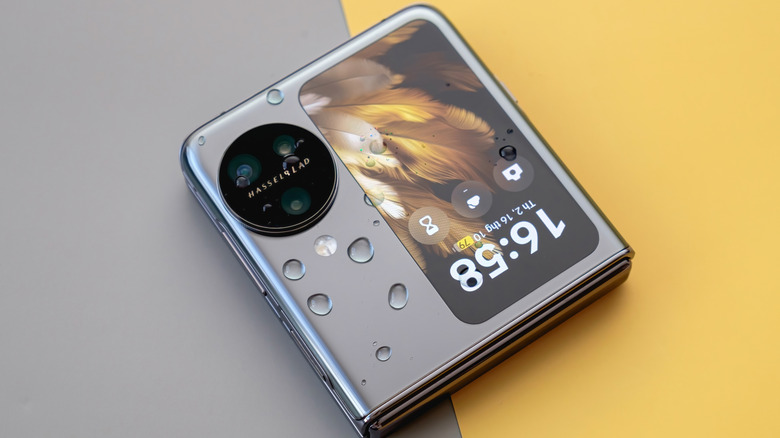
Another mistake that you should avoid when buying a foldable Android phone is skipping a phone case. As noted above, foldable phones are more fragile than typical slab phones, and you should treat them with extra care — don't make the mistake of handling them like a normal smartphone. Because of this, you should get a phone case as soon as possible to protect your pricey device.
No one plans to drop their phone, especially an expensive one like the Galaxy Z Fold 7, and that's why it's important that you wrap it up right off the bat. A case will help reduce the impact and minimize the risk of screen damage in case you accidentally drop your foldable phone. A case also enhances the grip, which further reduces the chances of accidentally dropping the device, and it can also shield your phone from dirt and spills, as well as cracks and scratches from everyday use.
You'll certainly have to spend more to get a case, but the extra protection is worth it. There are several durable phone case brands that you can choose from, and in addition to that, some smartphone manufacturers like Samsung also sell cases for their foldable smartphones. If you consider the repair costs that you might incur to fix a damaged foldable phone, such as $1,399 for a screen module replacement of a Galaxy Z TriFold, not spending extra to secure your device with a case is a big mistake.
Overspending on a flagship you won't fully use
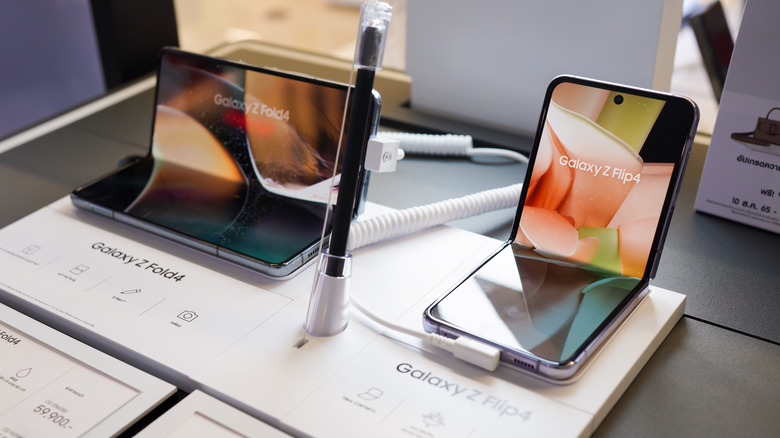
Overspending on a foldable phone is one of the easiest traps you can fall into, especially considering their hefty price tags and how, like other flagship phones, they're marketed around their most advanced capabilities. Foldable phones come in different form factors. We have book-style ones like the Galaxy Z Fold 7 and Oppo Find N6, and flip-style foldables like the Motorola Razr and Samsung Galaxy Z Flip 7. Flip-style foldables are generally cheaper than their book-style counterparts, but they don't come with the bells and whistles of the latter, like a large display and a grand promise of being multitasking beasts for productivity.
If your typical usage will revolve around messaging and browsing through social media, then you won't fully take advantage of a book-style foldable. In such a scenario, you'll be making a mistake by paying top dollar for a book-style foldable like the Oppo Find N6 when you'll be using it like a regular slab phone. If the folding aspect is the only one that intrigues you, then your money is better spent on a flip-style phone — no need to overspend on features you won't fully take advantage of.
Not considering app optimization
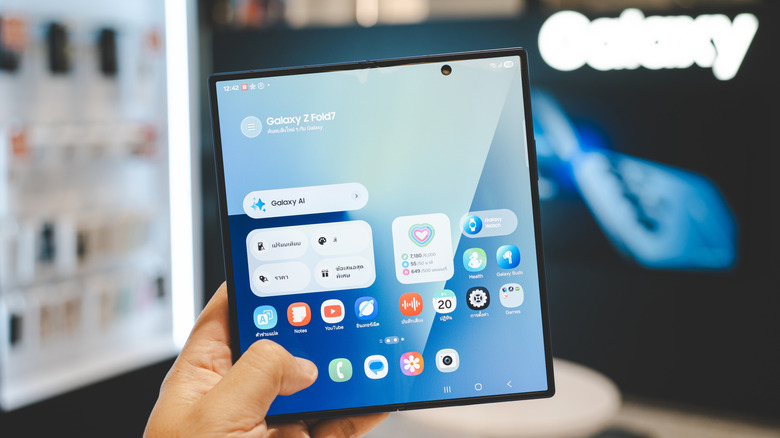
While foldable Android phones have been around for several years now, they aren't mainstream yet. Unless you hang around in circles that are into the latest gizmos, you likely haven't seen many people using foldables on the subway, at work, and in other places that you frequent. In short, they aren't as popular as slab phones, and, as a result, not many developers have poured resources into optimizing their apps to support this new form factor.
Companies have been continuously focused on improving the hardware to make it stronger and more durable, but the software side of the equation still leaves a lot to be desired. Because of this, it'll be a costly mistake not to factor in the actual software experience that the foldable you'd like to buy offers before hitting the buy button. If you have favorite apps that you use regularly, ensure they're optimized to work well on a foldable.
Some apps will do nothing but stretch out when opened on a foldable phone, which doesn't offer the best usage experience. Many apps are wasting the opportunity to present new screens or additional features that an unfolded screen offers. And, given that the flexibility to close or open the device when you need to is marketed as a big part of the foldable experience, ignoring software optimization will be a big mistake.