

Some NZXT PC Renters Could See Their Debt Cleared Up To $5,000 - Here's Why
It's rare that a major company does the right thing, to the extent that it's refreshing when it does happen ... even when that good behavior is mandated by the courts. In this case, the make good is from prebuilt PC manufacturer NZXT, which has agreed to settle a class action lawsuit and clear debt for some customers in their rental program, up to $5,000.
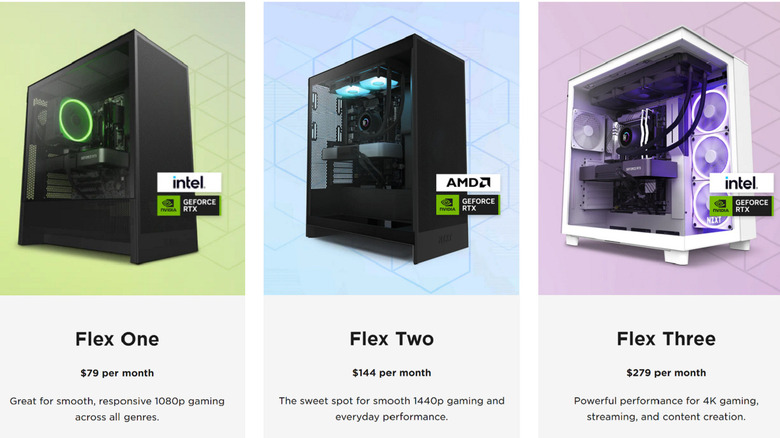
Specifically at issue is the company's behavior around its PC rental program, called "Flex." Flex allows users to rent gaming-spec desktop PCs in one of three tiers for a monthly fee, currently ranging from $79/month for the lowest-spec machine, up to $279/month for the highest. At the high end, those machines rival some of the best prebuilt desktops available, while even the lowest tier is head and shoulders above some of the less desirable prebuilt options.
However, according to the lawsuit, NZXT and its partner Fragile (which handles payment processing and debt collection for the program) were deceptive about what exactly consumers were getting with Flex, and whether they'd be able to keep it. There were also concerns around NZXT selling customer data, which the company strongly denies.
Flex was erroneously marketed as 'pay to own.'
Filed in the U.S. District Court for the Northern District of California, the class action lawsuit alleges that NZXT perpetrated a bait-and-switch scheme via Flex. Certain components and PC performance metrics were advertised, but the company delivered inferior parts, or machines that didn't hit the advertised benchmarks.
The suit also claims that customers were led to believe that Flex was a pay-to-own program, where participants would fully own the rental hardware after a certain period. According to the suit, this wasn't the case, and NZXT was attempting to offload "aging and stagnant inventory at an unlawful premium."
The primary channel for this false advertising, according to the suit, was influencers hired by NZXT to promote the rental program. The plaintiffs claimed that some influencers promoted Flex as a pay-to-own agreement, but also that one of them had been assured by a Fragile rep that a PC would be available for purchasing after renting. NZXT and Fragile decided to avoid a trial and settle instead (with a final settlement class totaling 19,322 consumers). The settlement is pending the approval of a judge at the time of this writing.
Claimants could receive up to $5,000 in debt forgiveness
Per the terms of the agreement, some customers that fulfill certain requirements will be able to retain their rental PCs. This applies to participants that signed up for Flex on or before 2024 and never received an upgraded PC; or those who have accounts more than 90 days delinquent as of March 30, 2026 and also signed up for the NZXT Flex Program between October 29, 2024 and June 1, 2025.
To keep their PC, claimants have to attest that they viewed advertising critical to their purchasing decision that claimed Flex was a rent-to-own program. Beyond that, the Net Settlement Cash Fund includes a pool of cash for debt forgiveness. Any claimants more than 90 days delinquent as of March 30, 2026 in their NZXT Flex subscription payments to Fragile are eligible for up to $5,000 in debt forgiveness. For claimants eligible for less than $500 in debt forgiveness, the fund provides for cash payments. Cash payments will likely range between $450 and $500, depending on the number of former subscribers that make claims.
NZXT has also agreed to change its marketing behavior for Flex. The company has promised to provide accurate specs for the PCs it rents, and avoid influencer marketing that implies Flex PCs are rent-to-own. It also agreed to use different brand names for PCs that are rental-only and those that can be owned.