

Smart Refrigerators Might Not Be Worth It For You Yet - Here's Why
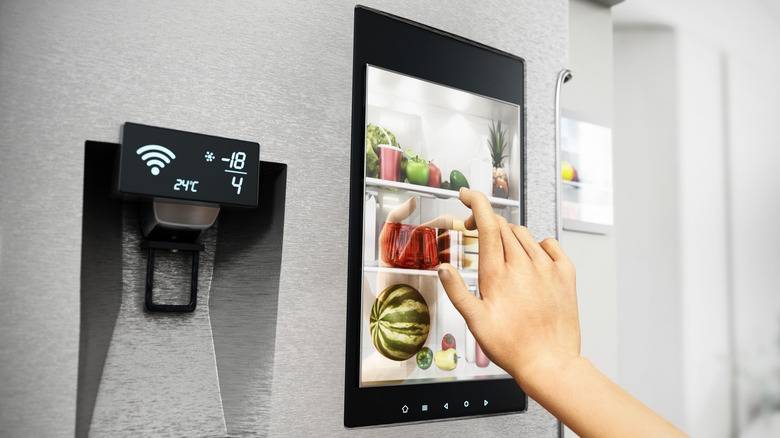
Anyone in the market for a new refrigerator these days might consider buying a smart refrigerator instead of sticking with more traditional models. Although the specific features can vary from one model to another, in general, a smart refrigerator typically connects with an app to allow owners to leverage unique functionalities. For example, a smart refrigerator might let a user remotely adjust the temperature via an app, or it may send alerts when certain items are running low. Some models even use AI to recommend recipes based on a user's tastes. However, before you invest in what could be a very expensive appliance, it's important to understand why a smart refrigerator isn't necessarily a worthwhile upgrade.
First, you need to honestly evaluate the features different smart fridges offer. The novelty of a smart model can bypass your practical decision-making abilities at times. While certain features of smart refrigerators might seem impressive, it's vital to consider whether they're genuinely worth your money. In addition, you have to consider what the cost of repairing a smart fridge might entail. Along with having a higher upfront price than a traditional refrigerator, a smart fridge might also cost quite a bit to maintain over the years.
Why you probably don't need a smart refrigerator
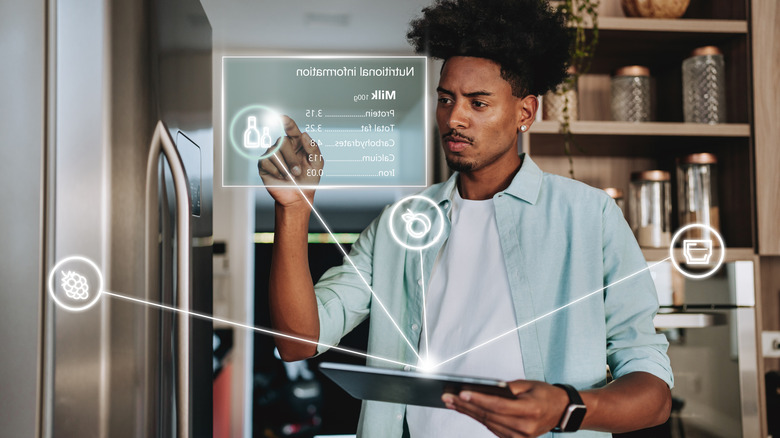
The specific reasons a smart refrigerator may be a luxury you don't need can depend on your unique circumstances. That said, there are certain general factors to keep in mind that might make any consumer have second thoughts about this investment. Again, one such factor is whether the special features a smart refrigerator offers are useful enough to justify the added cost. It's not uncommon for the price tag of a smart fridge to be hundreds or thousands of dollars more than that of a traditional unit.
Is what you're getting out of a smart refrigerator valuable enough that spending that much more money is wise? For example, the idea of a refrigerator that uses internal cameras to let you know when you're running low on groceries sounds convenient. However, when you can simply open the fridge to check on the status of your food stores, is this feature truly helpful, or is it more of a gimmick?
You can check out the /r/homeautomation subreddit to get some insight into how consumers who own smart refrigerators currently use them. You'll find that many users indicate they almost never use the advanced features their smart refrigerators came with. Others point out that, because this technology is rapidly developing and evolving, the state-of-the-art tech that a smart fridge boasts today could become outdated sooner rather than later.
Look for a good refrigerator, not a smart one

Again, upfront costs don't represent all the ways a smart refrigerator may cost more than a conventional refrigerator in the long run. These devices require additional components and technology to support their unique features. When these components stop working correctly, the cost of repairing a smart refrigerator may be significant, given the specialization required. On top of that, a smart refrigerator that connects to your home's Wi-Fi is a potential security risk.
Some consumers may find that smart refrigerators offer special features and functionalities that genuinely are worth their money. For example, someone who spends a lot of time away from home may appreciate that a smart refrigerator can adjust the temperature in times of low usage, potentially saving them money in the long run. However, for the average refrigerator owner, it makes more sense to prioritize buying a trustworthy refrigerator that fulfills its basic functions reliably instead of spending money on a costly appliance that offers unnecessary functions.
That's not to say all smart home upgrades are a waste of money. Various smart home gadgets can actually make day-to-day life easier. You should simply conduct research and consider your needs to determine which are worth paying for.