

5 Reasons To Buy Physical Video Games Over Digital
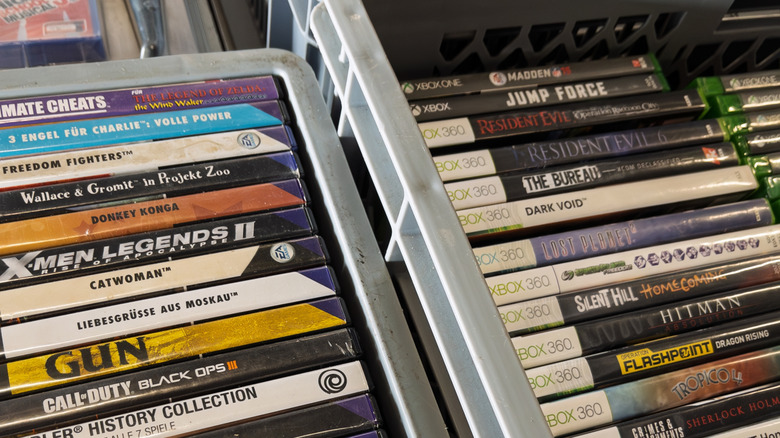
It's 2026, and so much media has gone the way of digital downloads and subscribing to multiple portals and services. And that's if you even own the content, rather than just streaming it with a subscription. So, even if you already know which streaming service is right for you, owning physical copies of games is a legitimate and generally more beneficial way to build a collection, even in 2026. There are many reasons why "going old school" and buying physical copies of games is a great choice today.
First, there's the general storage and management of it all, offering a way to keep track physically — which can be easier and more fulfilling — and in some cases keeps large download files off your system. Buying physical copies is also a great way to stay green and save money by allowing you to buy used games or lend a copy to your friend when you want. Physical games also ensure that you never lose access to your favorites, just in case a platform decides to remove a game just when you have the hankering to play it.
Managing and storing your library
While most video and TV consumption has gone the way of the streaming service, most console gamers still outright purchase a copy of the games they're planning to own indefinitely — albeit sometimes in digital format. This can take up a tremendous amount of space on a hard drive and cause some frustration with keeping track of a library of games. It means you have to be signed in to the console you want to play on in order to get access, and space can often be limited on those consoles. With that limited space, you may even have to uninstall a large game to make way for another triple-A title.
Keeping physical copies of your games lets you see, at a glance, all the games you have on your shelf. You can then bring those games to different consoles, with different users, and still play them. While many physical game discs merely serve as license keys, requiring gamers to still download the game's file onto their machine, some consoles, such as the original Nintendo Switch, store the full game on a physical copy. This is also a way to save space on your system's hard drive, if that option is available.
Saving money and recouping costs
A physical copy of a game also affords players with a few different ways to save a bit of money. While there are often sales on both physical and digital game copies — unless Steam undergoes some seriously big changes — the only way to purchase a pre-owned (and often heavily discounted) copy of a game is by purchasing a physical copy from a retailer like GameStop. But the savings don't stop at the original point of purchase.
One of the best ways that physical copies can save you money is by allowing you to recoup some of that cost on the back end. If you've already played through 100 hours of an open-world RPG, chances are you don't plan to jump back in, at least not for a while. So why not get some of that original triple-A price tag back and sell that game? While the market for buying used games can be tough, with GameStop paying a pittance, and person-to-person sales being inconsistent, making some of your hard-earned money back means you can go back out and buy more games.
Keep things green and avoid waste
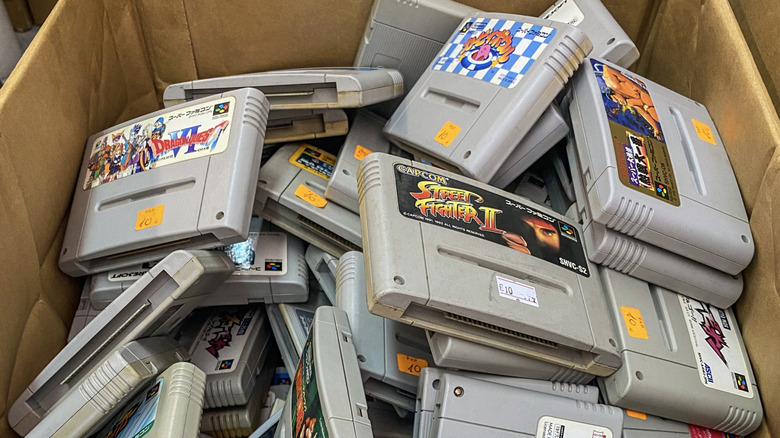
This one may sound counterintuitive, but buying a physical copy of a game is a great way to use a physical product that may otherwise end up in a landfill. It's sort of like buying at a thrift store — giving a game a little extra life when someone else is done with it. So rather than buying a fresh new copy, requiring the full supply chain stack to spin into full action, you're just using something that otherwise might have just sat on a shelf.
Another way to lighten the new-game load is to consider swapping games with a friend. If you bought a game you love, and your friend has one they love, you can trade, and no new copies need to be manufactured, and no lengthy download needs to suck up more electricity. This sounds like an old-school, Super Nintendo style of gaming, but it is an efficient method that should come back. Speaking of old-school, you can even consider exploring your local library, many of which offer modern game-lending for a few days at a time.
Keep access to your games, even when networks and services are disabled
Perhaps the most crucial benefit of buying a physical copy of your game is maintaining access even if there's a changeover in online stores or services. This is particularly bothersome if you rely on cloud gaming or game subscriptions, such as Game Pass or the PS Network. Game subscription services have come under fire, especially with the Game Pass price hike that really lowers its value. More importantly, these services can remove games whenever licenses or business reasons dictate. Owning that game physically hedges against that.
While this is less common, it's always possible that a game could even be removed outright from a digital store for download. If your system allows for a physical copy to be fully stored off-console, like with older-generation Xbox, PlayStation, and Switch consoles, you won't have to worry about losing access to the games. It's the same reason movie lovers have started buying up Blu-Rays, so they don't have to worry about not being able to watch a movie when a service removes it from its platform.
Aesthetic and collector reasons
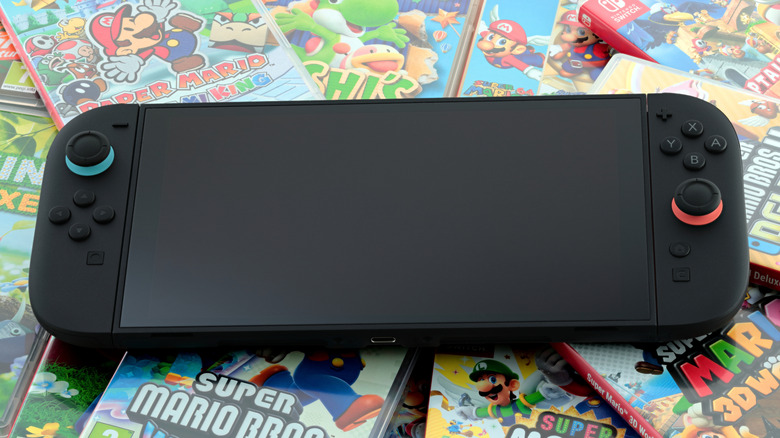
Finally, there's the age-old truth that owning the physical copy of the media you love shows how much you care about it. In its simplest form, this means proudly displaying your collection of games on a shelf in your game room, bedroom, living room, or wherever you keep your games. Many collectors also take a completionist approach, aiming to own every copy of a franchise or genre of game to fill out their display shelves.
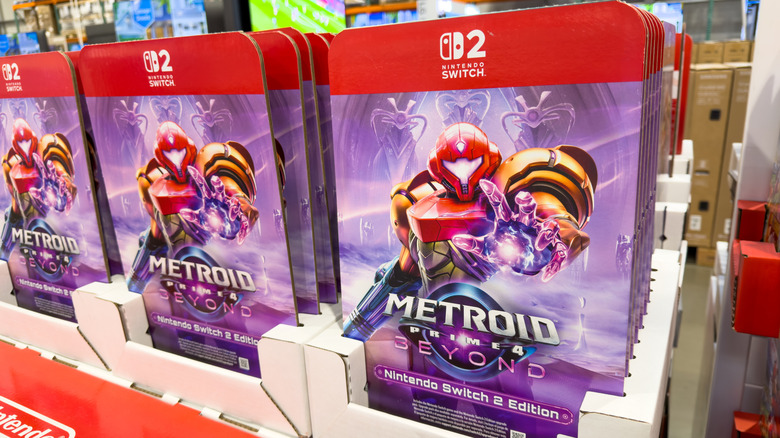
Large game releases also offer limited-run or special edition copies, sometimes tied to preorders and early launches. These often come with high-end booklets, disc art, case design, or even unique extras like figurines or display sculptures. No digital game convenience will ever quite match the joy of putting Master Chief's helmet on your shelf. If you love your games and want to show them off, there's no substitute for a display full of bright green, orange, or red cases.