

You Should Stop Believing This Common PC Myth About Your Desktop Files
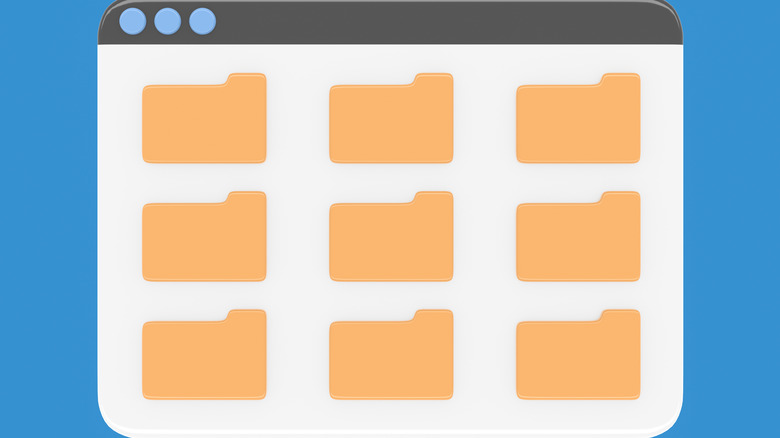
The idea that desktop clutter can affect your PC's performance has been floating around for a long time, and like some of the most common hard drive myths you might have heard, it seems logical. Surely, having tons of icons, folders, and other junk on your desktop should slow your PC down, right? After all, your PC has to use its precious resources to render all that nonsense each time you bring the home page up.
This idea isn't wholly incorrect, though. Having a ton of content on your desktop does in fact impact how long it takes your system to redraw the desktop when refreshing it to fix visual glitches, but that impact is so small that most probably won't notice. It doesn't impact the overall performance and speed of the rest of your system.
However, that hasn't stopped this claim from appearing on various forums and online social media sites over the years. And while the claim might sound simple, the truth isn't nearly as simple as you might think. That's because while the amount of clutter on your desktop itself doesn't affect your PC's performance directly, it can be a larger sign of a problem that could ultimately lead to a slower system.
The real problem with a cluttered desktop
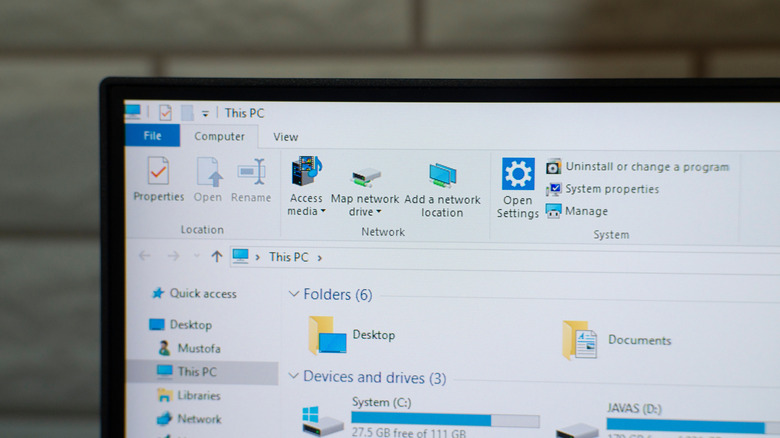
Most of the time, the reason we end up with tons of icons on our desktops is because apps have a nasty habit of creating shortcuts when we install them. If you have a lot of desktop icons, you've likely installed countless apps that might be running in the background, taking up RAM and processing power that will affect your other tasks. So, while the icons themselves won't slow down your PC's overall performance, the software they are tied to very well can by silently draining your PC's resources.
Not every app you install is going to be one that you use every single day. That's why it's always a good idea to take stock of what is installed on your computer at any time and uninstall applications and programs you don't need anymore — especially if they are large ones like video games. The more content you have stored on your hard drive or solid state drive, the slower it might perform. This is especially true with SSDs, which tend to slow down when they become too full, as the drive then has even more stuff to sort through. And that's why doing digital maintenance on your PC is just as critical as physically cleaning and maintaining its parts — especially since cleaning up unneeded files and programs can stop you from killing your PC's storage.