

Not A Fan, Not AC: This Cheap Cooling System Works Without Using Electricity
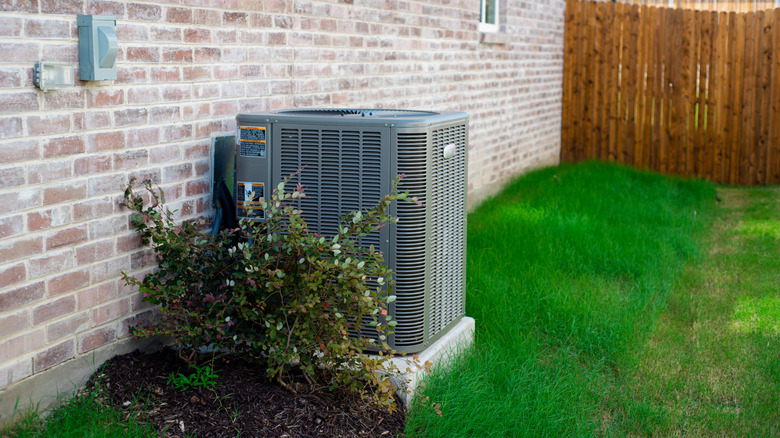
Air conditioning is one of the biggest contributors to electricity consumption in U.S. homes and commercial buildings. It's not always possible to cut back on its use, either, especially in hot and humid climates. That leads to high costs during a time when temperatures are warmer, and electricity is becoming more expensive, which leads people to some bizarre ideas to cool their homes. But what if you could cool a space without using AC? Better yet, what if you could do it without using any electricity at all?
Scientists from the King Abdullah University of Science and Technology have discovered a method that does precisely that, using ammonium nitrate to empower efficient cooling. They're calling it Nescod (No Electricity and Sustainable Cooling on Demand), and it leverages the unique properties of ammonium nitrate, a common and abundantly available compound, often used for fertilizers. The key is how the compound undergoes endothermic dissolution – when dissolved in water, it absorbs heat from the surrounding environment. That process helps lower the ambient temperature.
During one experiment, researchers recorded a huge temperature drop, from 25 degrees Celsius (77 degrees Fahrenheit) to 3.6 degrees Celsius (38 degrees Fahrenheit) in around 20 minutes. Since it's abundantly available, inexpensive, and requires no electricity, Nescod could revolutionize cooling the world over, especially in low-income areas or remote locations where reliable energy is a challenge. With many homes in hot regions living without AC, this technology could make comfortable climate controls way more accessible.
Solar-power can enhance and enable continuous reuse without external power
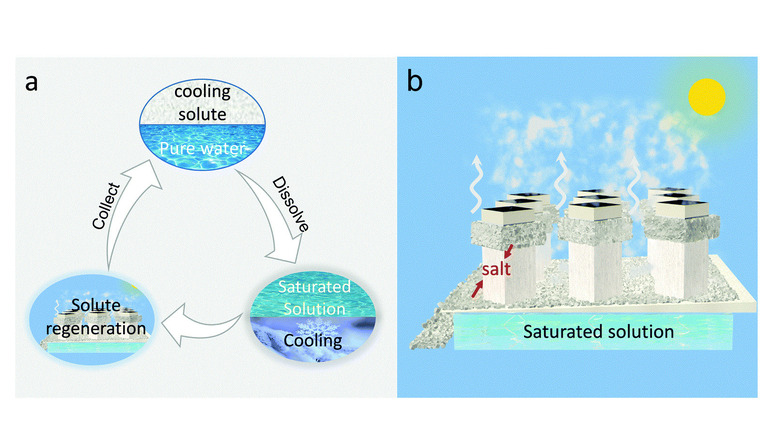
Even more promising is research published in Energy and Environmental Science. The conversion and storage of solar energy could allow Nescod systems to continuously regenerate. No external power or electricity would be needed, either, thanks to the regeneration cycle of ammonium nitrate. After it dissolves and absorbs heat, electricity isn't needed to reset anything. Instead, solar energy, such as from connected solar panels, can be used to evaporate the water in which the compound is dissolved. Ammonium nitrate stays behind in a crystallized form, fully regenerated and ready for use again.
Moreover, as the water evaporates, it can be collected in a closed system, using a process called solar distillation, reintroducing it to the cooling system. To quickly restate, ammonium nitrate dissolves in water to pull in heat and cool a space. Solar energy evaporates the water solution, leaving crystallized ammonium nitrate behind. The cycle starts all over, with the compound dissolved in water to cool the space again. If scaled up, this could completely transform modern cooling and climate controls. Especially considering AC units use so much power, you should think twice about plugging them into a generator.
The researchers state, "NESCOD represents a fully renewable energy-driven, green cooling technology without electricity consumption, which is urgently desired in our fight against global warming." It's especially suitable for low-income and off-grid communities, and "has the potential to make a meaningful contribution to achieving universal SDGs by 2030." Alongside advancements like a new refrigerator cycle scientists invented, people could see a change in everything about modern cooling technologies over the coming years.