

This Common Weather Condition Could Make Your AirPods Static Shock You

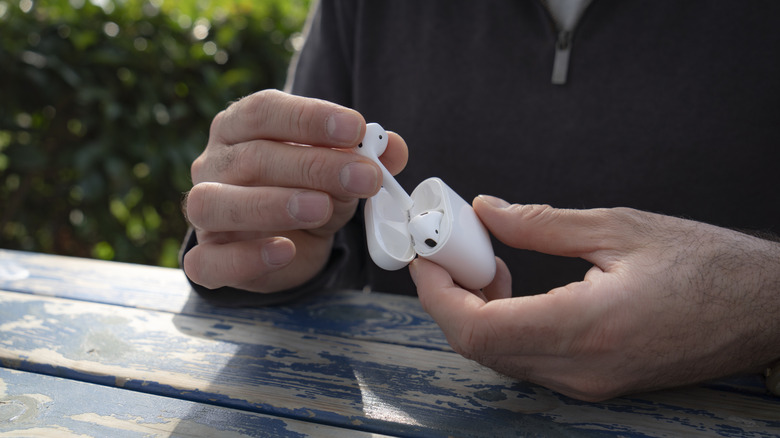
That sudden, quick electric shock you felt on your fingers or in your ear after taking the AirPods out of the case to listen to music isn't a malfunction, and your AirPods aren't broken. What you're running into is static shock that can happen in specific weather or environments, such as areas with low humidity or windy conditions. You may experience the same electric discharge repeatedly if you can't alter the conditions since static electricity can build up over time and shock you briefly as the AirPods touch your skin.
Apple has a support document that explicitly deals with static electricity and Apple products, including AirPods, the Vision Pro spatial computer, and MacBooks. The company explains that static electricity will accumulate on products or the human body, leading to a static shock, and it clarifies that the incidents do not indicate there's an issue with the Apple product. Weather conditions aren't the only factors that can lead to static shocks. Clothes made of synthetic fibers can also favor these small zaps. Other actions that can lead to static shock include removing gadgets from clothing and working out with devices like AirPods. "This condition is similar to dragging your feet across a carpet and receiving a static shock when you touch a doorknob," Apple writes, noting that it can happen with other electronic devices, not just Apple products.
How to fix the problem

To prevent static shocks, Apple offers guidance for both indoor and outdoor conditions. AirPods users should increase the humidity at home or the office. Portable humidifiers and air conditioners can help in that regard, according to Apple. You may also have a humidity indicator in your home to monitor the level of moisture in the air. Most experts recommend maintaining indoor areas between 40-60% relative humidity (RH) to reduce the risk of electrostatic discharge.
Apple also suggests anti-static sprays (for the air) and anti-static lotions (for dry skin) to prevent electric shocks. Clothes made with natural fibers can also reduce the risk of static shocks, as they're less likely to hold an electric charge. In a separate support document, the company notes that touching a grounded metal object that's not painted before using AirPods models, including the AirPods Max over-the-ear headphones, can prevent shocks.
When outdoors in windy conditions, Apple advises users to keep the AirPods protected from the wind. The friction between AirPods and some clothing items can also cause static shock, so that's another thing users should minimize when outside.
When to worry
The static shocks aren't dangerous, even if they're slightly painful. Northeastern University explains that the phenomenon happens because electrons can transfer from one material another. When there's enough humidity in the air, the extra charges are redistributed through the ambient moisture, so electric shocks are prevented. But dry air will prevent the electric charges from rebalancing, as there's not enough water in the air. Winter conditions with dry air would also increase the likelihood of experiencing static shock.
That said, static shocks can be risky in certain environments, like working with sensitive devices. Northeastern offers similar tips to Apple's guidance to prevent static shocks, adding a few others that may be important to people working in specific industries where electric shocks can damage equipment and products. For example, users should consider wearing specific items that can prevent static shocks, like grounding bracelets. Floor mats can also be useful in reducing electric charge build-up.
Separately, AirPods users should not treat all potential electric shocks as static shocks. Apple advises users not to use damaged AirPods or charging cases, as the batteries can be damaged. The batteries may become hot and cause burns if damaged. Apple also advises users not to charge AirPods with damaged charging products. The presence of liquids, such as water, when charging is not advised. These are risky conditions that can lead to electrocution and fire.