

AirPods Max 2 Review: A Bigger Upgrade Than You Think
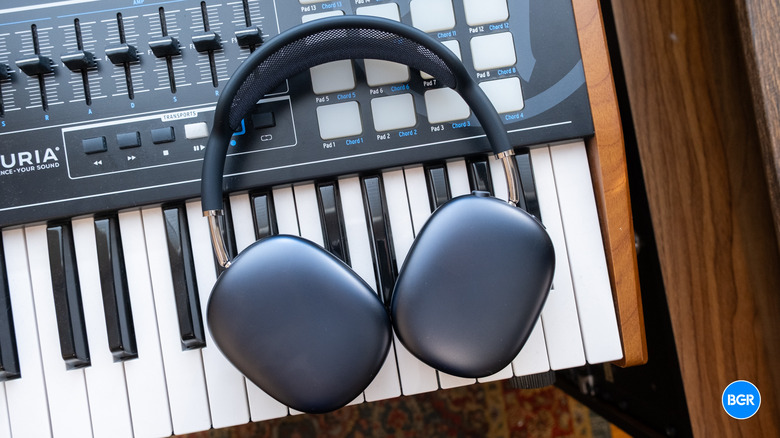
The AirPods Max 2 are Apple's second attempt at premium over-ear headphones, and they basically take everything great about the AirPods Pro line and bring it to a bigger, more audio-focused form factor. The original AirPods Max were already among the best-sounding consumer headphones you could buy, and this time around, Apple has added some real upgrades — even if the headphones don't look much different than before.
They're still $549, which puts them above the Sony WH-1000XM6 and the Bose QuietComfort Ultra Headphones (2nd Gen). But both of those competitors have been quietly getting more expensive over the past couple of years, so the price gap isn't what it once was. Apple is targeting people who want deep integration with their other Apple devices, great sound, and excellent ANC. Sure, the second-gen AirPods Max don't reimagine the headphones design-wise — but under the hood, the upgrades are pretty compelling.
Design
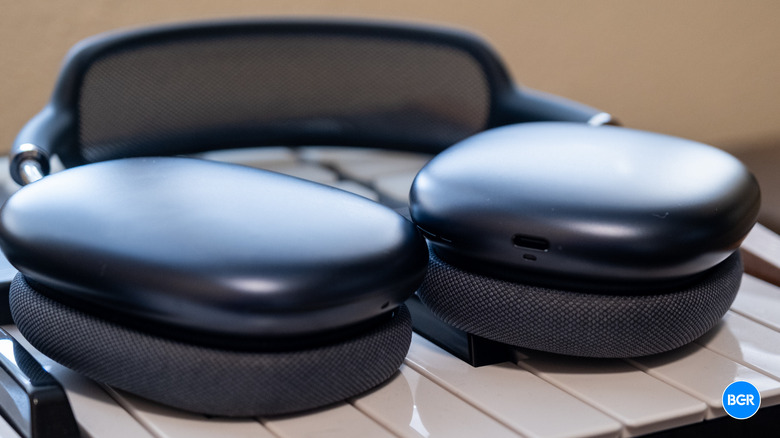
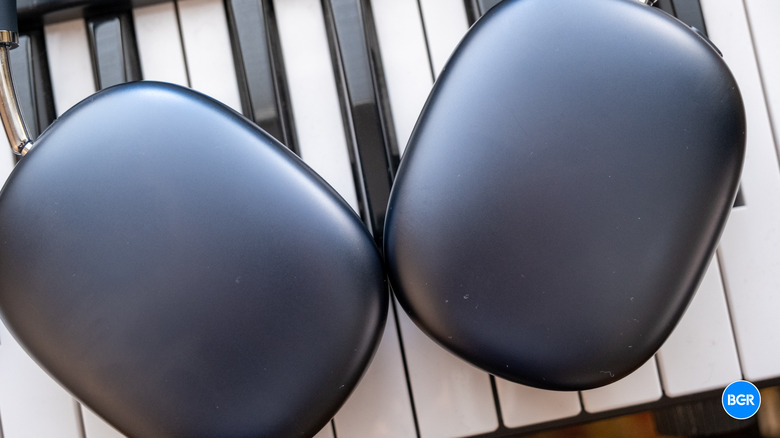
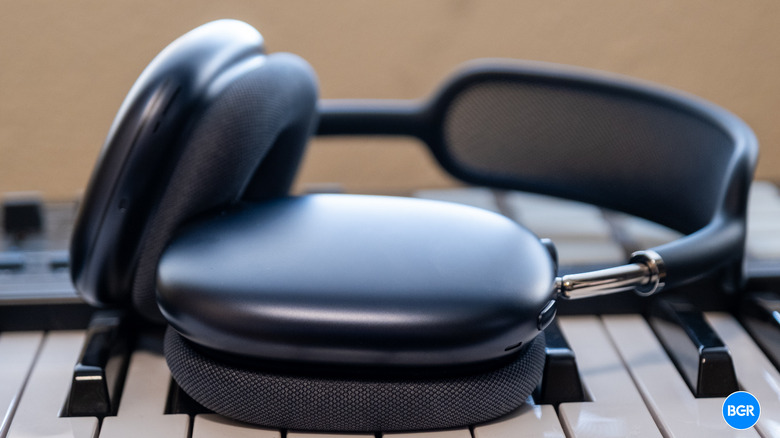
Physically, the AirPods Max 2 are identical to the original headphones — there's not a single external change. I'm okay with that. They still look premium, they still feel incredibly well-built, and the metal earcups remain unique in a sea of plastic headphones. There's a timeless quality to the design that still holds up. Sure, five years without a physical redesign is a long time, but I think the design still works, so it doesn't bother me.
What does come with the metal earcup, though, is weight. All that metal adds up, and you'll notice it compared to the competition. That's the tradeoff for headphones that look and feel this substantial.
On the hardware side, you get a USB-C port on the bottom, like the mid-generation refresh that was already available. There's a button up top on the right earcup for cycling through noise modes, and the Digital Crown dial is still one of the best control mechanisms on any headphones. It feels satisfying to use, volume and playback adjustments are precise, and you never have to guess which control you're reaching for.
The AirPods Max 2 are available in five color options: Midnight (which I'm reviewing), Blue, Purple, Starlight, and Orange. The earcups are still removable and replaceable, which is great for longevity — though I'll note from extensive use of the previous generation, the mesh headband material actually wore out faster than the ear cushions did, so that's something to keep in mind.
My biggest issue is still the "case." I appreciate that the headphones power on and off automatically based on whether they're in or out of it, but the soft sleeve Apple ships offers almost no real protection. A proper hard case with room for a USB-C cable would go a long way, and the fact that Apple still hasn't addressed this two generations in is disappointing.
Comfort
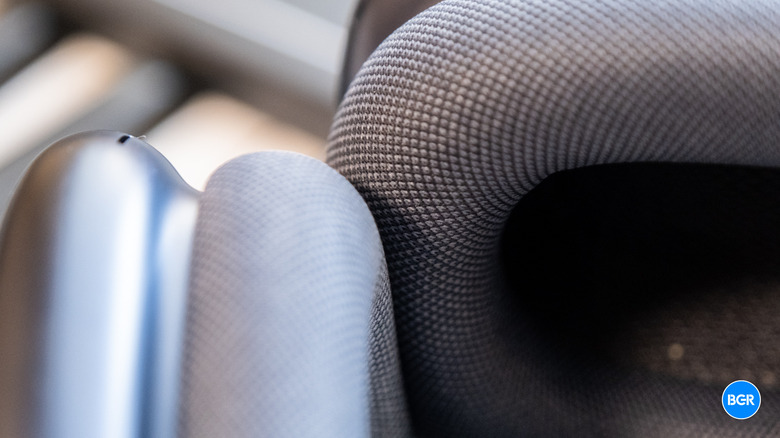
Comfort is basically unchanged from the first generation, which means it's decent but not best-in-class. The earcup padding is soft enough, and Apple has done a nice job distributing weight across the headband, but there's simply no escaping the fact that these are heavy headphones. You feel them on your head in a way that lighter competitors just don't impose.
You do adjust, though. After a break-in period, I wore the AirPods Max 2 for hours at a time without any real discomfort. Personally, I prefer how the Bose QuietComfort Ultra Headphones and Sony WH-1000XM6 headphones feel. The AirPods Max 2 aren't uncomfortable, to be clear. They're just heavier than the competitors, and that's worth thinking about if you're someone who plans on wearing them for long sessions.
Features and noise cancellation
Apple says the Active Noise Cancellation on the AirPods Max 2 is 1.5x better than the original, and I believe it. The first generation already had very good ANC, but the competition — Sony's WH-1000XM6 in particular — got a lot better in the meantime. While the Sony headphones still have very good ANC, I think the AirPods Max 2 are actually a little better. They handle everything from the steady low rumble of an airplane cabin to chaotic, unpredictable street noise. Sony had a short-lived time at the top of the ANC ladder, but it seems like that time might be over.
Transparency mode is very impressive too. The original AirPods Max already had the most natural-sounding transparency mode available, and while this new version isn't a dramatic leap forward in that specific area, holding that lead still puts it ahead of everything else out there. Then there's Adaptive Audio, which intelligently blends ANC and Transparency based on your surroundings. It works well and transitions are smart, though if you're anything like me, you'll prefer manually controlling your noise modes rather than letting the headphones make that call.
Beyond the noise cancellation, the AirPods Max 2 are packed with features — if you're an Apple user. Automatic switching moves the headphones between your Apple devices, so you can use them with all of your Apple devices instead of being stuck with only two devices like you would be with Bluetooth Multipoint. Spatial Audio is still class-leading, largely because Apple uses actual Dolby Atmos surround sound mixes instead of just algorithmically spatializing a stereo signal. Conversation Awareness pauses your audio the moment you start talking. Real-time Live Translation runs on-device and performs about as well as it does on the AirPods Pro 3 — which is to say it works quite well. There's even camera shutter control for paired iPhones and iPads.
The bottom line is that if you live in the Apple ecosystem, these headphones are absolutely stacked. Everything runs through the native Settings app on your Apple devices, and the integration is seamless. But if you're not an Apple user, most of these smart features disappear.
Battery
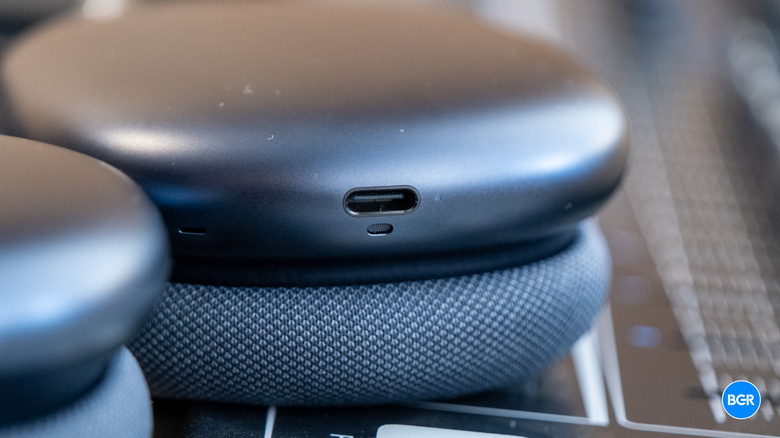
Battery life is officially rated at 20 hours, same as the last generation. That's not great. In real-world use, if you're someone who tends to leave the headphones out of the case like I do, you'll find yourself plugging in more often than you'd like. Charging happens over USB-C, which is convenient, but the battery life itself doesn't match what the competition offers.
Both Bose and Sony give you more runtime on their flagship over-ears, and this is one area where I really wanted to see Apple step things up for the second generation. At $549, needing to charge every few days with moderate use is a little annoying. It's not a dealbreaker by any means, but it's a missed opportunity.
Sound
The original AirPods Max already sounded quite good, and the second-generation model also happens to sound great. Apple has implemented a new digital signal processing algorithm that delivers better separation, and a high dynamic range amplifier pushes audio that's louder, cleaner, and less distorted. In my testing, I couldn't really detect distortion even at very high volumes. Technically, some exists if you're measuring, but the vast majority of listeners will never hear it. On top of that, the headphones boast a wider soundstage and richer overall audio signature compared to the previous generation.
In general, these headphones sound really good. Highs are crisp, bass goes impressively deep without overwhelming everything else, and the tuning is excellent for consumer headphones. The low end is definitely boosted beyond a flat reference, but it's not overdone. Upper-frequency detail is strong, and the midrange comes through clear and well-defined.
That said, the AirPods Max 2 have a point of view when it comes to tuning. They're not trying to be flat, reference-grade, audiophile headphones, and they don't pretend otherwise. But they bring plenty of audiophile-caliber qualities to the table, and most people will find the sound signature engaging and detailed. These are consumer headphones that just happen to sound really, really good.
If you want the absolute best audio quality they can deliver, the AirPods Max 2 support 24-bit 48kHz lossless playback, but only through a wired USB-C connection. That wired path also enables ultra-low latency audio processing, which makes them a solid pick for video editing or gaming where audio sync matters. It's a great option for audiophiles looking to squeeze every last drop of quality out of their music.
Spatial Audio with Dolby Atmos continues to be a standout, especially for media. Dynamic head tracking creates a convincing surround sound experience, and Apple's implementation remains the best available because it leverages actual Dolby Atmos, as noted above. It can still spatialize stereo if you want, but when content supports it, you get the full Atmos experience. I'm still not sold on Dolby Atmos music mixes most of the time, but if I were going to listen to them, these are the headphones I'd go for. Where Spatial Audio really shines, though, is movies and TV paired with an Apple TV.
Conclusions
Everything meaningful about the AirPods Max 2 is happening under the hood rather than on the surface. Industry-leading ANC, improved audio quality, and a deep bench of Apple-focused smart features all add up to a compelling upgrade, especially if you're coming from older headphones. They're still expensive at $549, but I prefer both the noise cancellation and the sound profile here over the Sony WH-1000XM6 and the Bose QuietComfort Ultra Headphones (Gen 2).
I'd love to see an IP rating for sweat and rain resistance, a lighter build, and an actual protective case. But those are things I can look past when the core audio and ANC experience is this strong. If you're an Apple user who wants the best over-ear headphones money can buy, you've found them.
The competition
The Bose QuietComfort Ultra Headphones are also relatively expensive, but not quite as pricey as the AirPods Max 2. The AirPods Max 2 pull ahead on clarity and vocal separation, particularly on complex, densely layered tracks. Apple also wins on noise cancellation and delivers a more premium, more stylish design, though the Bose headphones are noticeably more comfortable thanks to their lighter weight.
The Sony WH-1000XM6 are probably the closest overall competitor. Their ANC beats what Bose offers, though it still falls slightly short of Apple's. They're also more comfortable than the AirPods Max 2 and sound very good in their own right. If you're not an Apple user, the Sony is likely the smarter buy. But if you are in the ecosystem, the seamless integration, superior noise cancellation, and sheer volume of features on the AirPods Max 2 justify the premium.
Should I buy the AirPods Max 2?
Yes, if you're willing to pay for the best ANC and excellent audio, with great, Apple-focused features.