

Can You Really Tell The Difference Between Hi-Res And Lossless Audio?
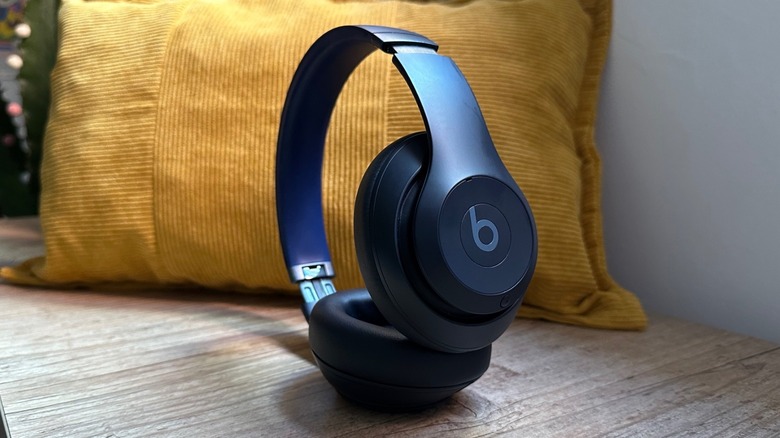
As music streaming services compete against each other to get the most subscribers, you probably have heard that Tidal has the best audio quality in the industry, while Apple Music could be as good thanks to its lossless and Hi-Res Lossless offerings. It's also common to hear that Spotify has a worse sound experience than these other services, and even though the company finally offers lossless options to premium users, does it even matter anymore?
The fact is that most people can't even tell the difference between regular audio and lossless audio, and if you go one step above lossless to Hi-Res Lossless, then the only way to get the difference is if you're surrounded by thousands of dollars' worth of audio equipment. Otherwise, as golden as you might think your ears are, they probably aren't as refined as you think. There are also several nuances. Most people use wireless headphones like AirPods to stream music, but wireless earbuds aren't capable of streaming lossless via Bluetooth.
Besides that, while a regular three-minute song occupies around 6 MB of storage, a lossless song uses six times more space (36 MB), and Hi-Res Lossless uses up to 145 MB. A 12-track album would then take up around 1.7 GB of storage, which not only takes a ton of space on your phone, but it would use up a lot of data from your internet plan without bringing a relevant music experience improvement as you wouldn't be able to tell the difference.
Lossless and Hi-Res Lossless explained
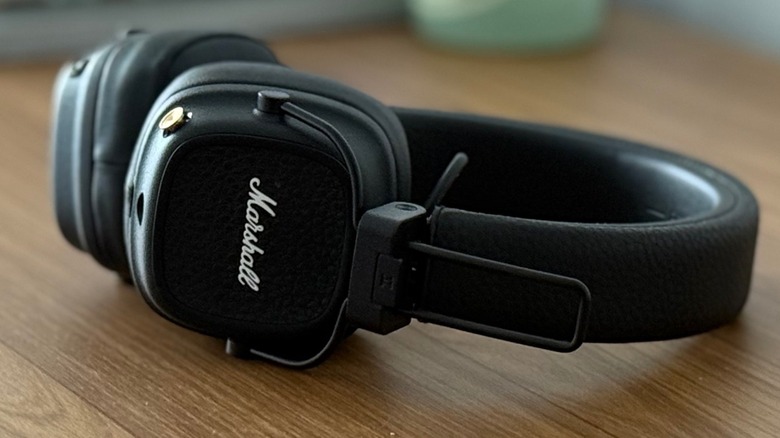
Streaming services usually offer songs with a 256 kbps bit rate. To be considered lossless, an audio file needs to be streamed at 16-bit/44.1kHz – Apple Music offers its lossless songs in 24-bit/48kHz, and Hi-Res Lossless at 24-bit/192kHz. Basically, these numbers represent how condensed or uncompressed the song is, meaning that the bigger the file, the more information you'll get from it. While technically you could think, "OK, now I'm only having the highest quality audio files," this doesn't translate automatically into getting the best experience out of the box.
If you want to stream lossless with your iPhone, for example, you can just use proper compatible USB-C headphones that support lossless, in addition to a streaming service with those capabilities. The song might sound clearer, the instruments might be more distinguishable, and you might be able to hear nuances that you never heard with a regular file.
However, even Apple Music's VP recently talked to Billboard and said that most people can't actually hear the difference between regular and lossless songs, and this is why he bets on Spatial Audio. If you want to stream Hi-Res Lossless, then you need a proper DAC, which is a device that handles the data between the audio provider and your headphones or speakers, but then this experience gets a lot more expensive, and the gains aren't that obvious because human ears aren't usually that good.
How one could experience true Hi-Res Lossless
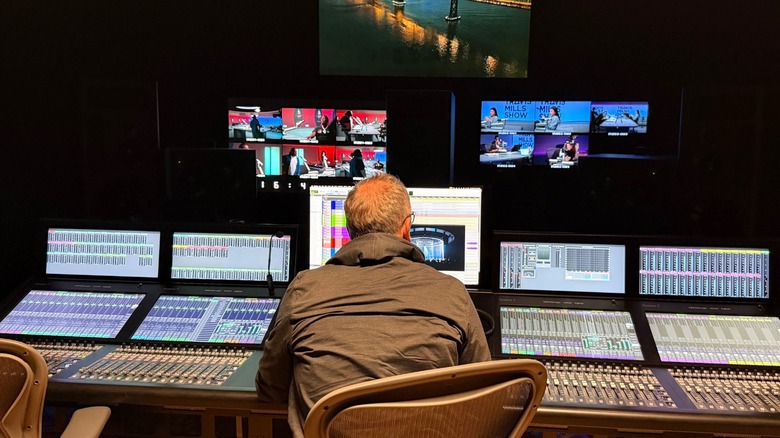
I had the chance to experience true Hi-Res Lossless twice in my life. In a Dolby Atmos-certified studio in Brazil, and at Apple Music's Culver City HQ in California. In both experiences, I heard Elton John's "Rocket Man," and it truly felt like actually listening to a song for the first time. Realistically, however, I don't think I'd be able to reproduce that at home, nor would you, unless you're planning to spend thousands of dollars on proper speakers, a very good DAC, and getting these huge Hi-Res Lossless files.
Besides that, everything needs to be properly positioned; you need to have a room that will make the sound focus on you, and not lose itself on the walls, and so on. In that scenario, yes, you'd be able to actually hear Hi-Res Lossless and even differentiate it from lossless. In all the other cases, it would be surprising if you could get the differences between one and the other.
With the recent release of AirPods Max 2, which finally supports lossless in wired mode, many reviewers have conducted tests and blind tests to see if they could really hear the difference, and the fact is that most of them can't. For the amount of data you need to have stored on your iPhone and the effort required to enjoy even the basic lossless quality, it's probably not worth it to spend that much money when you could just put your AirPods Pro 3 on and enjoy songs in a range you can actually hear.