

How Long Do Smart Plugs Last On Average?
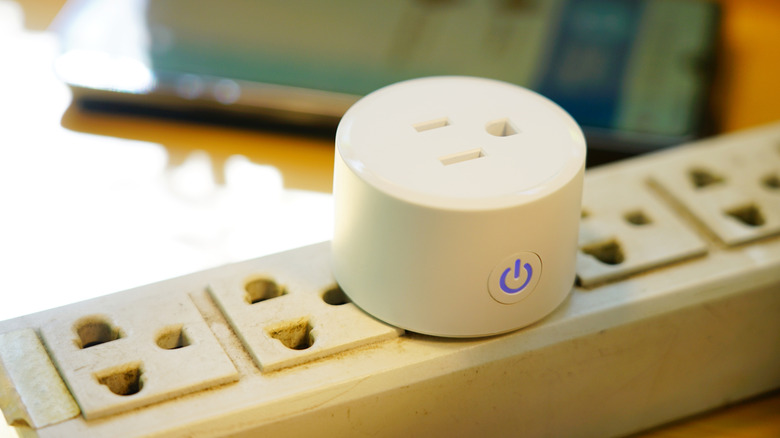
The smart home market has been exploding during the past several years. One of the simplest ways to join this revolution is through smart plugs. Among the cool things that smart plugs can do, they're highly versatile for simple electronics, lamps, and fans. They're often significantly cheaper than buying a dedicated smart device, such as a smart thermostat, and they allow you to sync up to a smart assistant like Google Nest or Alexa for voice control.
However, like all electronics, smart plugs come with an expiration date. On average, you can expect a smart plug to last for three to five years, potentially longer if you properly care for it. Since one of the primary benefits of a smart plug is the opportunity to save power and money, a longer lifespan naturally incurs more savings.
Another major advantage of a smart plug is the sustainability angle. However, for a smart plug to justify its green argument, it needs to save more energy over its life than what's used in its embodied or total manufacturing. You can support this requirement by being gentle and strategic with how you make use of your smart plug to ensure its longevity.
How to extend your smart plug's lifespan
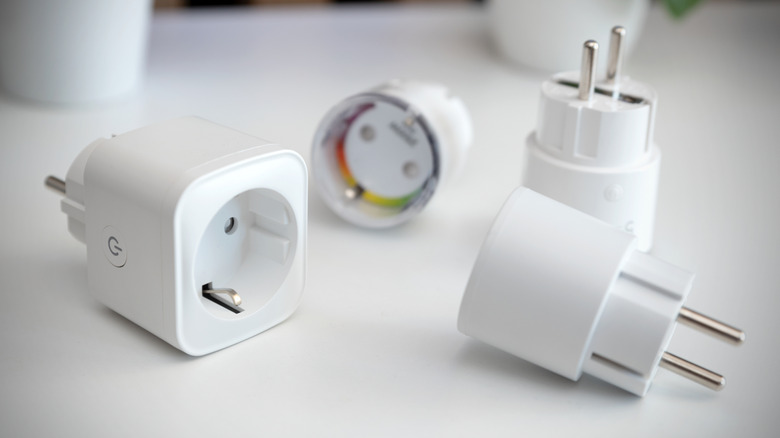
The main enemies of a smart plug are heat, electrical stress, moisture, and mechanical wear. With these threats in mind, avoid running your plug at its maximum load when possible. You can begin this process by looking at the plug's wattage/amperage rating. If you're approaching that rating with high load devices like space heaters or air fryers, the internal circuitry can heat up more and wear out faster. You should also avoid devices that require continuous, uninterrupted power or manual control, like medical equipment and certain power strips, as highlighted in BGR's guide on devices you should never use with a smart plug.
Also, try to avoid high-inrush (startup surge) devices, unless your plug is explicitly designed for them. Devices like refrigerators or pumps pull a ton of current on startup, ultimately stressing and wearing the plug. You'll also want to keep a smart plug as cool as possible by placing it in a well-ventilated space. For example, try to avoid stashing it in a cramped area behind your desk, and ensure it remains free of dust.
More life-extending tips and signs your smart plug is struggling
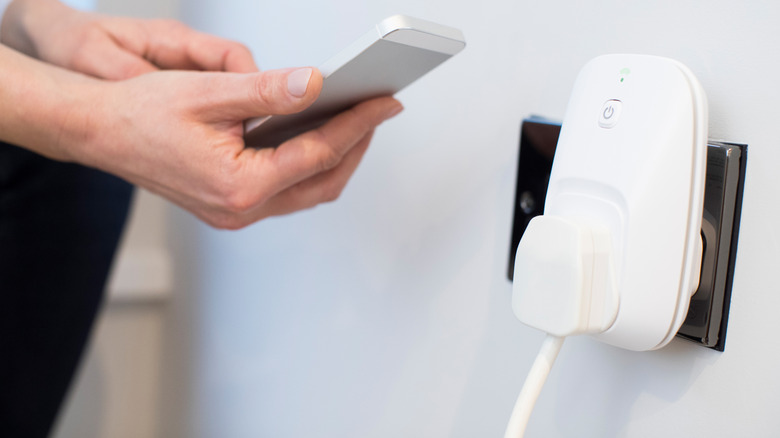
Another way to keep your plug performing optimally is to ensure it always has the latest manufacturer firmware. You don't need to check daily, but scheduling a monthly check-in is a good idea. Updated firmware can improve thermal management, connectivity stability, and fix bugs.
You'll also want to reserve smart plugs for dry, clean environments. Unless the plug is specifically rated for outdoor use, you should avoid using it in places like bathrooms, kitchens, or near steam sources. Moisture means corrosion, and corrosion can lead to short circuits, which can be a fire hazard along with shortening your device's lifespan.
Primary signs that your smart plug may be reaching the end of its lifespan include discoloration or yellowing around the prongs or the outlet, unusual sounds (crackling, buzzing), or an ionized, electrical smell. Additionally, any intermittent shutoffs or an increase in heat output are signs it's time to retire your plug. If you need a replacement, check out our expert-tested recommendations.