

The 3 Hidden Costs Of Buying A Smart Watch
Smartwatches have evolved quickly over the years. Upon their initial release, some might have dismissed a smartwatch as a niche or novelty item. However, it's now clear that these devices offer many practical benefits. Along with helping users track their health, smartwatches can potentially reduce smartphone dependency by letting users receive notifications without having to check their phones. That said, before making an investment in a smartwatch, it's worth considering some of the potential overlooked costs this purchase may involve in the long run.
In general, it's also wise to consider your options when buying this type of device. For instance, if you're not sure you can justify the cost of an Apple Watch, or if you simply don't use Apple devices, you may be interested in less expensive Android-based smartwatches. You can also check the rankings of affordable smartwatch brands to find a budget-friendly option that will serve your needs. Just be sure to account for all long-term costs (not all of which may be monetary) associated with your purchase to ensure buyer's remorse doesn't creep in.
Some smartwatches require separate data plans
Some types of smartwatches (specifically LTE, or Long Term Evolution, models) allow you to make calls and send texts or messages independent of a phone. Although a smartwatch generally relies on your phone's data plan to serve these functions, there are instances when this isn't the case. For example, a smartwatch typically needs to be within a certain distance of your phone to use its data plan. Even beyond LTEs, it's possible your smartwatch will require its own, separate data plan, depending on factors like your country and your current provider.
Research this factor when looking into smartwatches you're thinking of buying. Although a separate data plan for a smartwatch usually isn't particularly expensive, it nevertheless represents a potential additional cost you should know about before spending your cash. In many cases, a separate data plan is unnecessary, but again, numerous factors (including how you plan on using your device) can influence whether this is an expense you need to be prepared for. It's also worth noting that smartwatches that allow for the type of functionality that would require a separate data plan tend to be more expensive than other models in the first place.
A smartwatch may pose privacy issues

As alluded to earlier, not all of the hidden costs of a smartwatch are necessarily financial costs. Some of them may also involve privacy concerns. For example, in a study published in the academic journal npj Digital Medicine, researchers found that many companies manufacturing and selling smartwatches and other such wearable technology don't provide the kind of robust and transparent privacy policies that offer consumers peace of mind.
The researchers specifically discovered that multiple companies involved in the study don't clearly report how they do or do not share user data with governments and third parties. When these companies do share user data, they might fail to provide thorough reports explaining their reasons for doing so. In addition, the research shows that these companies often lack clear and effective processes for notifying users of data and security breaches.
These issues might be significant enough to scare some consumers off from the idea of buying a smartwatch at all. If you have privacy concerns, but you're otherwise committed to the idea of equipping yourself with a wearable, be sure to carefully check all relevant privacy policies before buying a device.
Smartwatches may require subscriptions
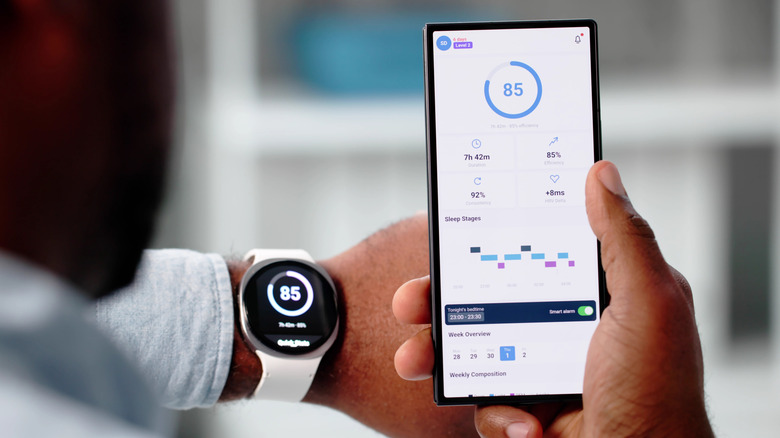
Again, you may be looking into smartwatches for a range of reasons. Perhaps you're looking for a device that can help you track your health and fitness. If so, you should be aware that, to use all of a device's fitness-tracking capabilities, you might have to subscribe to a service or app like Fitbit. Even if you can access some of the features at no extra cost, a subscription is often necessary to fully take advantage of what the device can do.
Account for the specific reasons you're thinking about buying a smartwatch before placing an order. Research how your planned usage of the device may affect how much you spend on additional services in the long run. While these added expenses might be worth it to you to maximize your enjoyment of a smartwatch, you don't want them to take you by surprise.
None of this is meant to discourage anyone from buying a smartwatch. As noted at the outset, these devices can be quite useful. You should simply know what you're getting into when investing in any piece of tech. That involves learning about potential hidden costs. In the meantime, if your next smartwatch won't be your first, it could also be helpful to look into ways to use or repurpose an old smartwatch instead of letting it collect dust.