

Are Smartwatches Making The Traditional Watch Obsolete?
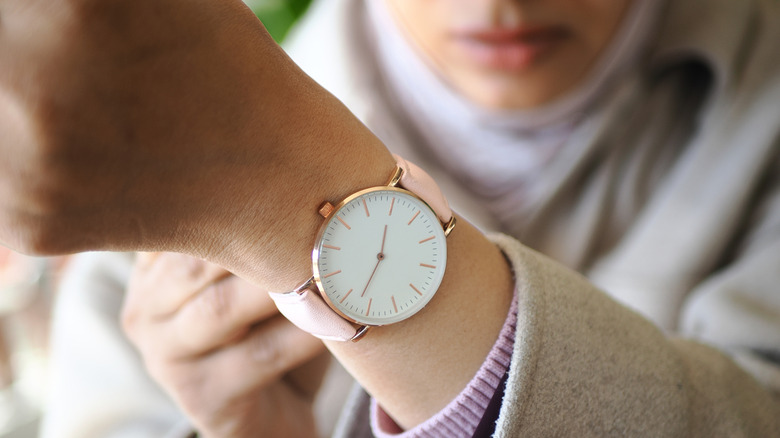
Smartwatches allow users to do more than just check the time. They can track workouts, set timers, and check messages. Some users even try to use Apple Watches in lieu of a smartphone to take calls and respond to texts or emails. A traditional watch is able to tell time and makes a great statement piece. One would think smartwatches are going to replace traditional timepieces, but it's not quite as simple as that. When it comes to owning a smartwatch or a traditional watch in the modern age, one isn't necessarily beating the other. Where the competition lies comes down to who is using the watch.
A study by Deloitte discovered that the consumer audience interested in smartwatches is mainly composed of younger generations such as Generation Y (Millennials), Gen Z, and Gen Alpha. 70% of these younger generations said they own a smartwatch. Older generations, including Baby Boomers and Generation X, are more interested in owning a traditional watch. They may be less likely to own a smartwatch, as it's reported around 72% of them own a traditional watch.
Why a smartwatch can be appealing

There are many reasons why someone may want to own a smartwatch. Not just as a way to tell the time, but to monitor data about their health and check messages without needing to pull out their phone. Smartwatches allow users to connect wirelessly to their smartphone. Notifications the phone receives can be seen on the smartwatch's digital screen. This allows users to quickly scan the details and swipe the notification away or respond using the smartwatch, depending on the brand.
When it comes to the most basic of functions of a watch of any type, a smartwatch does so with enhanced precision. Smartwatches have telling time down to an exact science. They synchronize with atomic clocks for a more precise time, often avoiding ending up a few seconds ahead or behind. Apple Watches actually have dedicated hardware inside that ensures the watch can keep precise time.
A smartwatch is a device like a smartphone, Bluetooth headphones, or tablet. Each offers various models with more features depending on how much you're willing to spend. The same is true for luxury and cheap smartwatches. If you want a smartwatch with more features, the price will likely be more expensive. Many can be used as GPS trackers or to track altitude and atmospheric pressure. But if you're after a watch just to tell the time and want to look good doing so, a traditional watch may be a better fit for you.
Why a traditional watch can be appealing
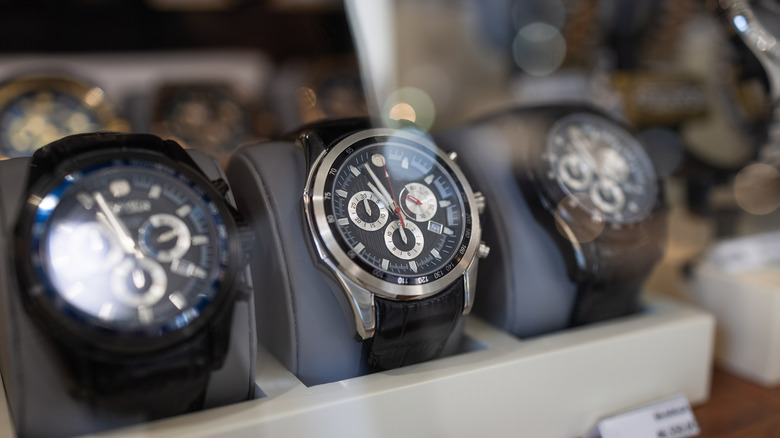
Traditional watches are designed to work more simply and just tell the time. However, they can be more than just a way to make sure you're not late for work. Many watches are a signature piece that marks prestige or design. They are crafted with care and precision, often to work for generations, and look good on the wrist of whoever is wearing one. Traditional watches are typically given as gifts for celebrations like birthdays, weddings, and business anniversaries.
Another benefit of a traditional watch is that it doesn't need to be charged or updated. Smartwatches will need updates to function and will run out of battery — usually on a daily basis. Traditional watches don't need to be updated or charged. They may need to be wound again due to changes like daylight saving time, entering a new time zone, or to get them on time again, but that's something that can be done while being worn. You may also have to change the battery, but in some cases you may not need to do so for as long as three or four years.
Smartwatches may not be putting traditional watches out of business, but they are being used by different generations. There are even hybrid models available that offer the best of both options. You can even turn your old watch into a smartwatch with a handy gadget. Owning one or the other depends on what the user is looking for.