

This 3D Food Printer Feels Straight Out Of Star Trek

A company called Natural Machines has come up with a 3D printer called Foodini, which, like the "Star Trek" replicator, creates edible shapes layer by layer. Picture Enterprise Captain Picard ordering tea, Earl Grey, hot, and it magically appears — created by the ship's replicator. The concept is that, sometime in the future, humans will be able to rearrange atoms to create almost anything, from chicken soup to a Viking costume, in just seconds. The key to the replicator's success is to provide a program or pattern so that the food (or other item) requested actually resembles the original.
To a degree, the replicator operates like a highly advanced and reliable 3D printer, creating objects incrementally. Still, like a 3D printer, the replicator may or may not be able to actually reproduce all the aspects of a given item, according to "Star Trek" lore.
Similar to the replicator, Foodini uses robotics and preprogrammed patterns to make nutritious, attractive, tasty foods in exactly the same way, over and over again. However, it distinguishes itself from a replicator by starting with pre-existing foods as opposed to random molecules.
Printing gorgeous cuisine in your own kitchen
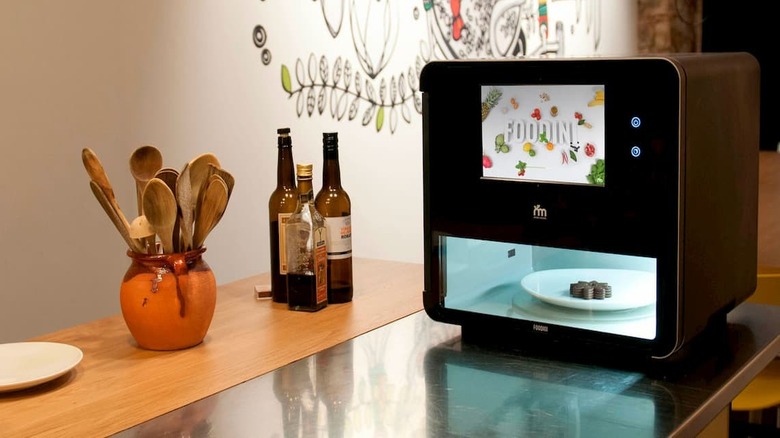
Foodini, like several other similar products, uses technology created for 3D printing but takes the process a step further. Foodini substitutes fresh food ingredients and edible dyes for a conventional 3D printer's thermoplastics, metals, and composites. The food, which can range from fresh veggies to pastry dough, is typically pre-prepared, then pushed inside food-grade stainless steel capsules.
The process is fairly simple. You use the Foodini Creator software program to either select or create your own shape. You load the capsules with soft, pre-prepped foods and dyes of your choice. Then you push the button and watch the Foodini extrude and layer food according to your preferences.
After launching in 2014, Foodini gained early attention among high-end restaurants and culinary professionals, but soon began selling smaller, counter-top versions marketed to consumers and small businesses. If you're considering 3D printing beginner projects, there are better places to start than the Foodini due to the device's cost. Monthly Foodini leasing options range from $195 to $580 – but if you're starting up a home-based business, it may be worth the investment. The idea is to put the process of production into the hands of the people, and Foodini does just that by making it possible to create elaborate, gourmet-style meals and treats in your own kitchen.
A versatile outer space-like tool for Earth
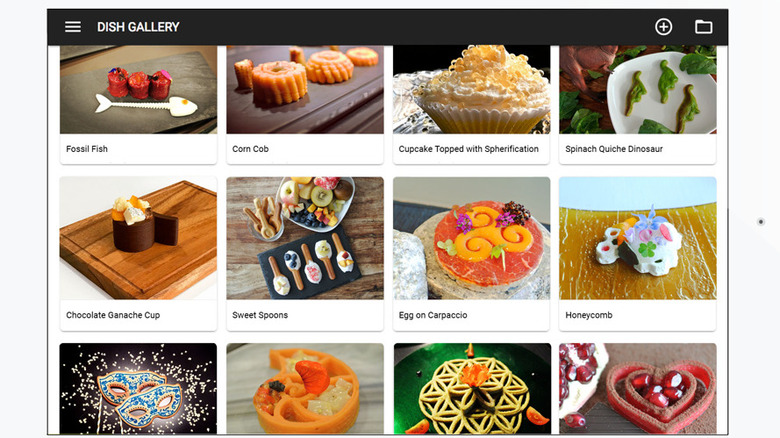
Foodini's future use may not be limited to homes and high-end restaurants. There's the possibility that this pre-programmed printed food could become a go-to solution in space, where ordinary food prep is heavily restricted.
Another interesting application is the creation of palatable and easy-to-eat foods that look appealing, but can be made in the same way over and over again. This is especially useful for people who struggle with eating issues, need a consistent diet, or find it hard to swallow or tolerate certain foods. Foodini is already being used to prep food options for people with dysphagia, a swallowing disorder, to create at least the appearance of "real" versus mushed food.
In an additional bow to the "Star Trek" replicator, Foodini boasts that it's a near-zero waste system. This efficiency is accomplished because the visual appearance of the original food products is irrelevant. Subsequently, ugly peppers, fish skin, and other foods that are usually thrown away can be processed and extruded to create beautiful 3-D printed final products.