

5 Of The Best Small Phones You Can Buy In 2026
We may receive a commission on purchases made from links.
The definition of a small phone has changed quite a bit over the years as smartphones have continued to evolve. The phones, which would have been once considered large, are considered standard-sized now, and we have pretty much reached the screen size of a small tablet from over a decade ago in the phone form factor. For example, the Samsung Galaxy S26 Ultra, which is a current popular flagship, has a 6.9-inch display, just shy of the screen size of the Google Nexus 7 – one of the more popular Android tablets of its time. A small phone in 2026 is anything that's relatively compact, with around the same size as an iPhone 17 or the Google Pixel 10.
The introduction of the clamshell foldables in recent years has given consumers another way to get a relatively compact phone to carry around, as these are significantly smaller than traditional slab form factor phones when folded. However, despite the relatively limited number of choices when it comes to small phones, it can be tricky to find a suitable phone for your needs. We have consulted expert reviews and our own testing of different smartphones to find the best small phones on the market.
Google Pixel 10 Pro
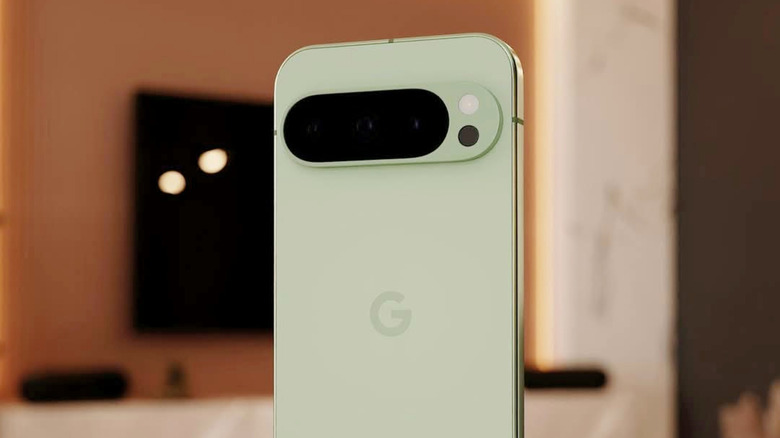
If you want a compact Android smartphone, you can consider the Google Pixel 10 Pro. Users like it for its design, camera performance, and decent battery life. Its Tensor G5 may not be the most powerful in raw benchmarks, but it is capable enough for most tasks. Moreover, the phone comes with 16 GB of RAM right from the base model. Like most other modern Pixels, the phone is set to receive Android OS updates for seven years.
It houses a 6.3-inch LTPO OLED screen with 3,300 nits of peak brightness, and it supports a 1Hz to 120Hz refresh rate, like any respectable flagship. There is also a 4,870mAh battery onboard, which is decent for a phone of this size, and as we mentioned in our Pixel 10 Pro review, it should last around a day of use. More importantly, the phone supports Google's Pixelsnap technology for magnetic wireless charging and compatible accessories. You also get 30W of wired charging or 15W wireless charging support.
The Pixel 10 Pro comes with a triple-camera setup. There is a 50 MP primary, 48 MP ultrawide, and 48 MP telephoto lens with 5x optical zoom. In the front, you get a 42 MP selfie camera. Moreover, Google has been pushing AI features in Pixel phones that can make your photos look better. That said, the base model retails for $985 on Amazon but only comes with 128 GB of storage, which many users won't appreciate.
Apple iPhone 17
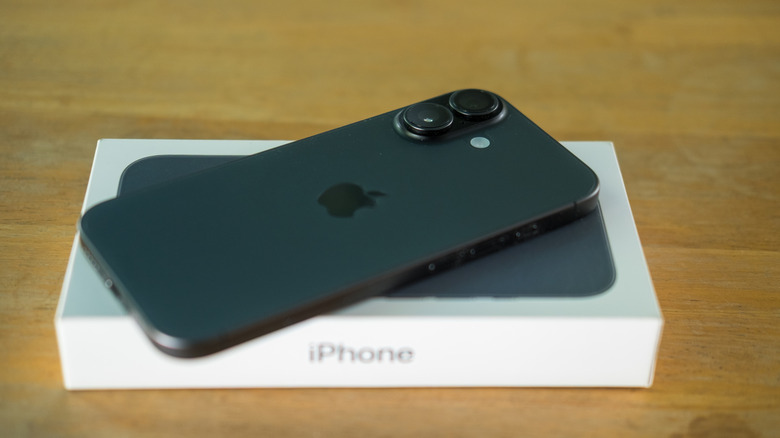
The iPhone 17 is another compact phone that you can consider if you want to go for an iOS device. It's relatively lightweight, has a 6.3-inch LTPO OLED screen, and comes with the A19 chip. Notably, the phone comes with the same ProMotion display as the Pro model, something that has been absent from previous base iPhone generations. Another feature coming from the Pro models is the 18 MP Center Stage selfie camera, which offers a wider field of view and allows for clicking selfies in both portrait and landscape modes.
The phone also comes with a dual rear camera setup consisting of a 48 MP primary shooter and an ultrawide lens of the same resolution. You obviously miss out on a telephoto camera, which is still limited to the Pro models. Additionally, the battery is 3,692 mAh, but Apple claims it can offer up to 30 hours of video playback on a full charge. As noted in our iPhone 17 review, the phone offers good value, and it starts at $799 for the base 256 GB variant.
Samsung Galaxy S25
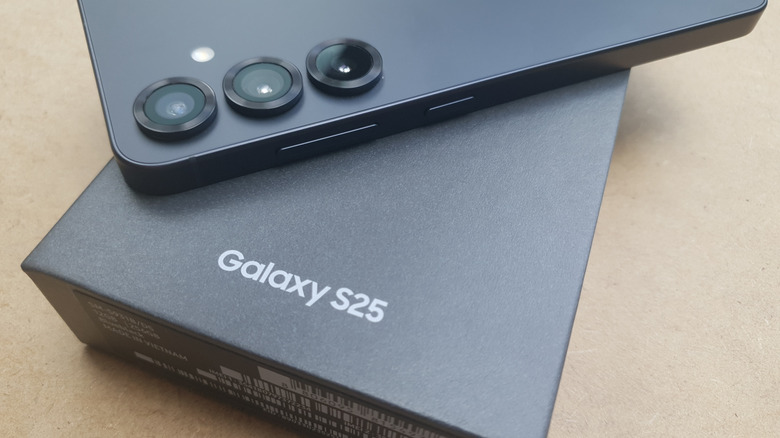
While Samsung has already launched the Galaxy S26 series, the previous-gen Galaxy S25 is still a capable compact phone. It's smaller than the Galaxy S26, but doesn't compromise much on hardware, as it's just over a year old. Moreover, Samsung hasn't really offered any major enhancements in its latest flagship lineup. The arrival of the Galaxy S26 also means that it's easy to find the Galaxy S25 at a discount, and the phone is still officially being offered via Samsung and major carriers. You may not find each color or storage variant, but the phone is still widely available.
The Galaxy S25 is powered by Qualcomm's Snapdragon 8 Elite and 12 GB of RAM across all storage variants. You also get a 6.2-inch AMOLED display with 2,600 nits of peak brightness. More importantly, it's an LTPO panel, supporting refresh rates from 1Hz to 120Hz.
The triple rear camera setup consists of a 50 MP main, 10 MP telephoto, and 12 MP ultrawide lens. In terms of software, it has already received Android 16 with the latest One UI 8 update, giving you most of what you get in its successor. Moreover, it should get Android OS updates for another six years. Although there aren't any major drawbacks, the phone has pretty slow charging at 25W, and the design can feel a bit dated.
Apple iPhone 17e
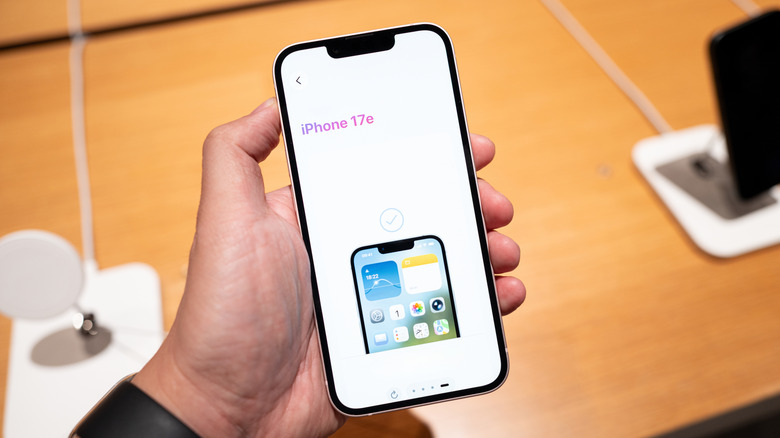
Outside of the clamshell foldables, the iPhone 17e is the most compact mainstream smartphone you can buy right now. It's even smaller than the iPhone 17; however, the difference isn't massive. It's certainly not the most powerful or feature-rich phone but also costs $200 less than the base iPhone 17. It may lack some features of its more expensive cousins, but it has the same A19 chip as the iPhone 17.
As we mentioned in our iPhone 17e review, the phone fixes some of the issues that plagued its predecessor. For example, it has MagSafe support, giving you access to an extensive ecosystem of compatible accessories, including magnetic wireless chargers. It also comes with 256 GB of storage in the base model. The phone cuts corners in the camera department and only features a single 48 MP main camera.
While the phone has a larger 4,005 mAh battery compared to the base iPhone 17, it only supports 15W charging speeds. The biggest downside of the phone is the presence of a 60Hz display in a world where even the mid-range phones are now getting higher refresh rate panels. Moreover, it has thicker bezels than the rest of the iPhone 17 lineup.
Motorola Razr Ultra (2025)
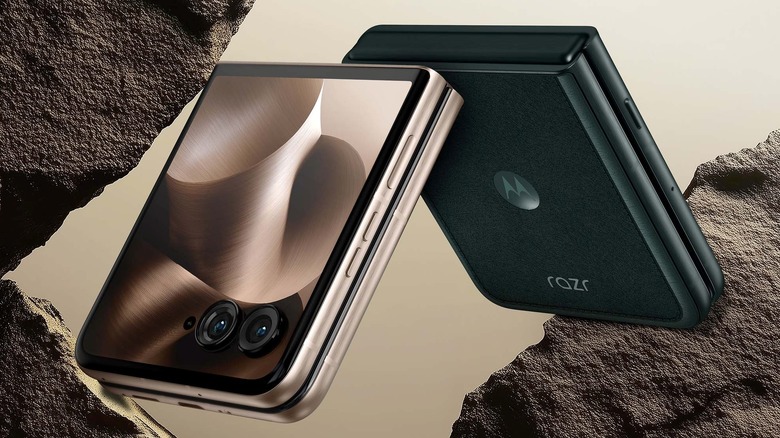
Besides the relatively compact traditional smartphones, you have the choice to go with a clamshell foldable like the Motorola Razr Ultra (2025) for an even smaller profile as you carry it around in your pocket. Although Motorola has introduced the 2026 iteration of this phone, the 2025 model remains a better buy due to its lower price. Moreover, the upgrades are limited to a new, slightly bigger battery, updated primary camera, and slightly brighter main screen. The rest is pretty much the same, and you can get the previous generation for $700-$800.
The Razr Ultra is powered by the Snapdragon 8 Elite chip and 16 GB of RAM. The inner display is a 7-inch LTPO AMOLED screen with 4,500 nits of peak brightness. There's also an outer display measuring 4 inches. Additionally, you get a 4,700mAh battery, with support for 68W wired charging and 30W wireless charging. The battery can last an entire day even if you are only using the bigger inner display, as we mentioned in our Motorola Razr Ultra review. Additionally, the dual rear camera setup of the phone comes with a 50 MP main and a 50 MP ultrawide lens, but you miss out on a telephoto shooter.
The phone ships with Android 15 onboard with Motorola's Hello UI. However, the company is only promising three years of software updates, which is a bit of a disappointment as both Google and Samsung are already offering seven years of updates.
How we selected these small phones

Truly small phones are pretty rare these days; however, manufacturers do offer relatively compact phones that you can enjoy if you aren't a fan of massive devices. While selecting the best small phones, we considered traditional phones with a relatively similar size to the iPhone 17 and the Google Pixel 10, as well as clamshell foldables. We consulted expert opinions and our own testing of different phones to shortlist devices that offer a good balance of performance and price to ensure buyers will get a good value for their money. All our recommendations are widely available in the U.S. and will receive software updates for at least two more years.