

How Noise Cancelling Headphones Actually Work (And How Safe They Are For Your Ears)
The entire purpose of a pair of headphones is to block out external noise and ensure you get clear, private sound. Of course, a physical barrier can't block out everything, which is why noise cancelling headphones have become so popular. Their ability to counteract loud ambient noises have made them a preferred option for particularly noisy settings like public transit, though that popularity has also led to some concerns about impacts on auditory processing.
The best noise cancelling headphones money can buy employ a combination of both passive and active noise cancelling, filtering out the worst of sudden, sharp sounds and counteracting the constant drone of background noise, both of which help to keep music dominant in your ears. However, the uptick in demand for noise cancelling headphones has coincided with a small subset of individuals who have developed unusual health conditions in which it becomes more difficult to determine the direction of sounds or consciously filter out noises themselves.
As of now, there isn't enough information to say for certain if noise cancelling headphones are definitively unsafe, but it may be worth knowing the effects of this particular condition, especially before you give a pair to your kids.
How noise cancelling headphones work
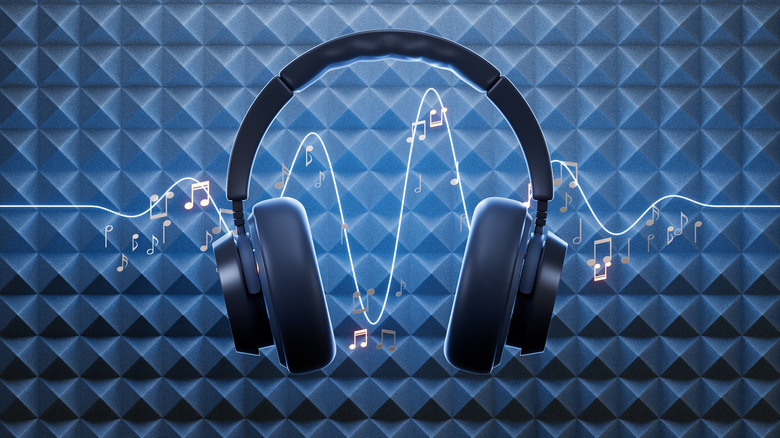
The way noise cancelling headphones work to negate ambient sounds is based on two separate processes: Passive noise cancelling (PNC) and active noise cancelling (ANC). PNC is achieved by simply covering your ears and blocking out sounds. Both budget and expensive noise cancelling headphones employ PNC to a certain degree, though its efficacy depends on how well the headphones fit over your ears and the quality of the materials.
ANC, on the other hand, is a powered system that, when activated, uses small built-in microphones to monitor ambient sounds. When an external soundwave is picked up by these mics, it is routed to the headphone processor that creates an inverted version of it. That inverted soundwave gets played in the headphones, and when it meets the original noise, they cancel each other out.
ANC systems are best for filtering out constant, low-frequency tones, such as the sound of an airplane engine or traffic passing by a window, which makes noise cancelling headphones a great gadget for working from home. These systems not as good at filtering out sudden, sharp noises, like a dog barking, but that's where PNC helps to make up the difference, blocking out the worst of those high-frequency noises.
Concerns have been raised about auditory processing impairments
Noise cancelling headphones have been in use since the 1950s, though they didn't see a major surge in the consumer market until around 2010, alongside the explosion in mobile device usage. With this increased popularity, some potential side effects of constant ANC usage have started to crop up.
In a 2025 statement to The Guardian, audiology researcher Renee Almeida reported an increase in adults coming to her clinic with complaints of hearing problems. After running tests, it was determined that these individuals had developed a neurological condition called auditory processing disorder, or APD for short. This condition makes it difficult for the afflicted to unconsciously filter and parse incoming noise, which in turn makes it harder to determine the direction a sound is coming from or easily listen to a conversation in a loud room.
APD is a condition most commonly diagnosed in children, when they're still developing the ability to effectively respond to sounds. As of now, there is no hard evidence that noise cancelling headphones are a direct cause of this in adults and Almeida clarified that she is only going off a hunch. However, she added that little data exists on the long-term effects of noise cancelling headphone use on human hearing, and suggested that this warrants the need for studies, particularly with children.