

Offline Music Is Back In Style During The Streaming Era (For A Good Reason)
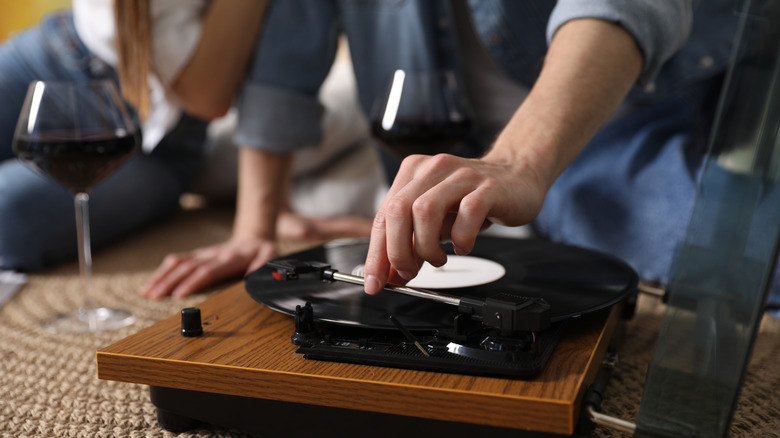
As streaming services like Spotify continue to dominate the music delivery landscape, many Gen Z listeners are embracing physical media as a badge of honor. Mind you, these are individuals notorious for their high media consumption.
Yet this is only one of the reasons why offline music is back in style in the streaming era, as ownership concerns are also quite high on the list. Let's face it, your monthly subscription fee doesn't really mean much. You're paying for access, meaning that a tiny legal dispute could make that album you love blasting so much disappear into the void overnight.
It's a stretch to imagine streaming platforms going belly-up anytime soon, even given the growing trend toward offline media. However, the analog resurgence has started snowballing in recent years. The offline music scene is rapidly gaining ground, thanks in part to the more tangible relationship it offers listeners with the art form, as well as the option to own music while still directly supporting artists.
Offline music is tangible
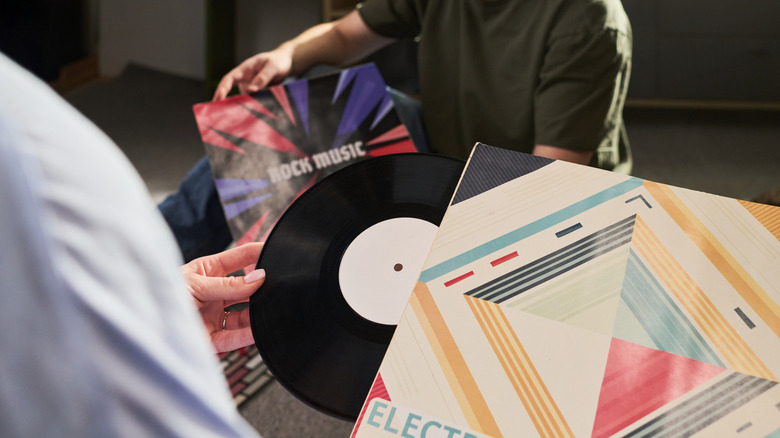
If you time-traveled back to the '80s and explained how you can listen to almost any album in existence with a few taps, people would probably lose their minds. But with streaming platforms slowly approaching their second decade, they've lost some of that luster. In reality, they removed any scarcity from music.
According to the Recording Industry Association of America, approximately 46.8 million new vinyl records were sold in 2025, generating $1.04 billion in revenue. Vinyl extends beyond just access, and is something you can hold in your hands. You could chalk this up to sheer nostalgia and collectability. Yet, the turntable industry has also followed the trend, with the market size projected to grow from $1.2 billion in 2025 to $2.5 billion by 2033. The market's growth rate could indicate that physical music is once again becoming a viable delivery platform; not just an empty fashion statement.
You own all your offline files
With Gen Z being the first generation to grow up with on-demand digital files, they are also pioneering the rejection of digital consumption. It's obvious that you don't own any of the files you access, but if you build an offline music library or have a stack of vinyl LPs on your shelf, it's another thing. They are yours, even if the servers shut down forever.
In addition to the general subscription fatigue many experience daily, owning physical music releases or having an offline library represents permanence and keeps the art form "safe." Not only can an album completely disappear if licensing issues arise, but you'll always be able to access the original version of the music. For example, no one can push an unnecessary remaster or remix on you if you're not vibing with the new.
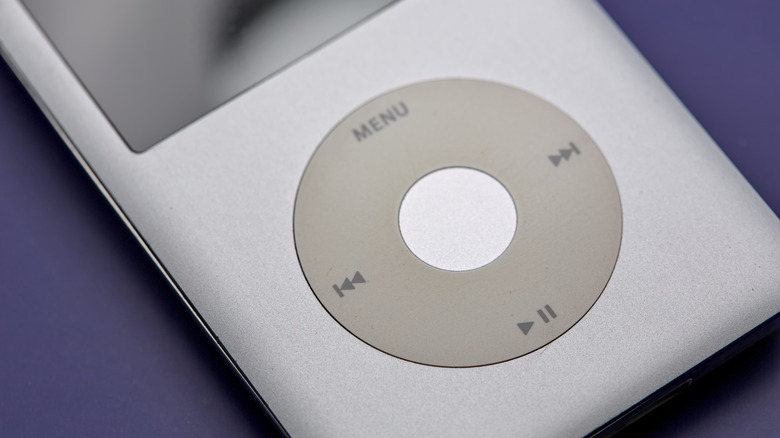
The youth are all about cutting down on their digital time, and apart from the massive wave of vinyl and CD enthusiasts, dedicated MP3 players are also experiencing a comeback. Older millennials who grew up with these gadgets may scoff at iPods and iPod alternatives, but it's easy to see why the trend is picking up pace.
The MP3 "craze" has also extended into the app space. For instance, the ClassiPod app emulates the original iPod down to its iconic click wheel and works well with offline libraries. The app was downloaded over 10,000 times, proving that there's a strong demand for a more dedicated offline music listening experience.
Physical media supports the artists

According to a large survey of European artists, seven in 10 artists are not satisfied with the royalties they get from streaming. Naturally, big artists who started in the age of physical media may be able to survive and thrive on their art, but most up-and-coming artists have to resort to endless touring and strings of day jobs just to break even. For example, Spotify pays around $0.003 per stream on average, meaning that 10,000 streams net the artist about $30.
Today, artists are fighting the status quo by releasing albums on vinyl, CDs, and even tapes, to supplant their streaming revenue. Buying a physical vinyl copy from the artist can, on average, put between $15 and $20 directly into their pocket. In fact, many fans don't view streaming as supporting the artist. Instead, diehard fans are opting to purchase physical or digital album releases to directly support their favorite artists.
Offline music helps you avoid AI
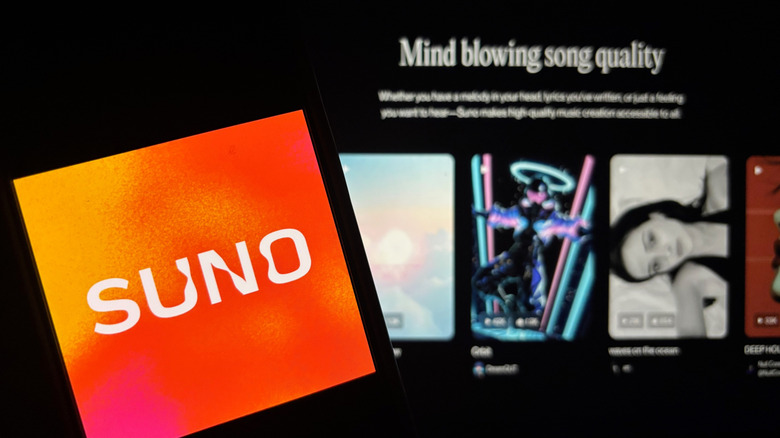
According to Deezer, 44% of new uploaded music to the platform is AI-generated. This turn of events was relatively easy to anticipate if you've kept up with the latest developments. Even free AI music generators can churn out real-sounding, professional tracks, so it makes sense that some companies, or even artists, would try to earn a buck by producing and uploading music that was entirely created by AI.
Gen Z and Gen Alpha are generally uncomfortable with AI songs, so it's not out of the question that they may start distrusting large streaming services. While Spotify did implement AI tags in song credits, these are only visible if artists have chosen to disclose the AI footprint. For many young listeners who rely on streaming platforms for playlist curation, this is a hard pass.
Along with other reasons why offline music is back in style in the streaming era, avoiding AI-generated content may be the nail in the coffin. While it's ludicrous to assume the trend will be so encompassing as to dethrone Spotify, even a tiny blip in sales of MP3 players, vinyl records, tapes, and even good old FLAC files is a good sign that "the old" is coming back with a vengeance. Hopefully, the offline trend will help many more people recognize that effort and experience matter more than mere convenience.