

What Your Smart Fridge And TV Are Actually Doing With Your Data
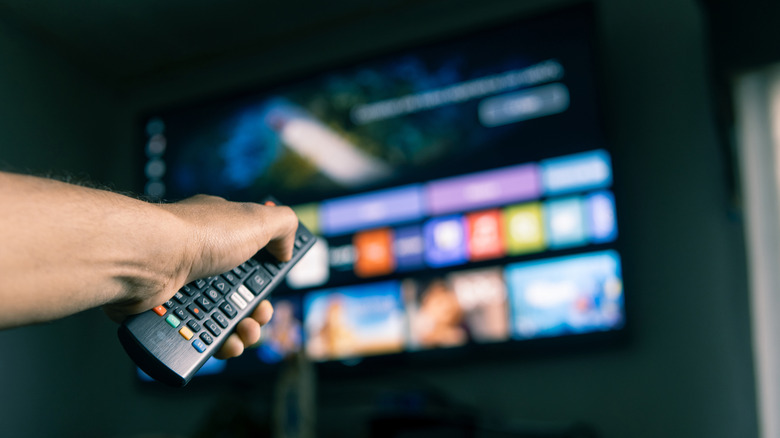
Your home should be your private space, the place where you can relax well away from the eyes of the world. But if you've set up any smart devices, including everything from smart TVs and refrigerators to speakers and cameras, then your home might not be as private as you think. That's because your smart gadgets are likely collecting a slew of data about you as you interact with them.
With a smart TV, tracked data can include viewing habits, screenshots to identify what you watch, voice commands, app usage, and even metadata revealing when and how often you interact with it. Similarly, a smart fridge can gather information on what food you have to suggest recipes. It might also track usage patterns, touchscreen interactions, and app usage that may include things like ideas on dishes to cook.
The collected data not only helps companies improve a device's functionality, but also enables them to make money by selling that information to interested parties. In other words, for the makers of smart TVs and smart fridges, the data they draw from you means that to them, you're not just a customer. You're also the product. While laws compel companies to be clear about how they gather and handle your data, such information is often buried in the terms and conditions that few people read.
Your data is valuable and for sale
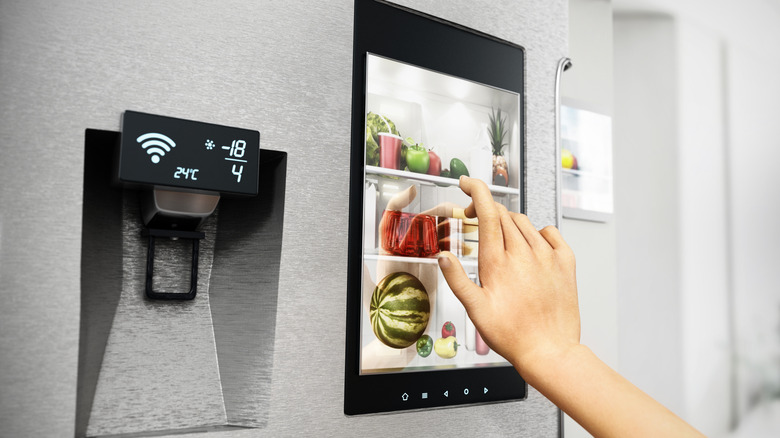
Smart TVs and smart fridges bring convenience. A smart TV, for example, offers voice control, app streaming, and smart-home integration, while a smart fridge can show you its contents remotely, offer alerts if you run low on a product, and even automatically order items. On the flip side, some smart TV and smart fridge models send data to the manufacturers about the way you interact with your device. That data can also be combined with personal details such as your home address, ZIP code, phone number, and date of birth to build a richer profile.
The data can then be used to create targeted ads that may appear on your smart refrigerator's touchscreen display or TV screen. They could even show up on your phone through the manufacturer's app and external ad partners. But how is your data sold, and who is buying it? Well, it may be sold or shared through data brokers where profiles are bought and traded like commodities.
Buyers can include data brokers like Experian, tech companies like Amazon and Google, and other groups such as advertisers, insurers, banks, and so on. The surprising thing is that many owners of devices like smart TVs and smart fridges aren't fully aware that their data is being gathered before being sold and shared.
Take control of your data

Your data traveling beyond the boundaries of your home risks exposure of sensitive location or behavior information, and the possibility that "anonymous" profiles can still be linked back to you or leaked in a breach. You might also end up receiving highly targeted ads for particular products, or even political ads aimed at influencing your voting behavior. Some will throw their hands in the air and say, "That's the modern world, smart devices come with trade-offs!" But more privacy-minded people can take steps to stop their smart TV from spying on them.
For starters, turn off ACR (Automatic Content Recognition). ACR tracks what you watch to personalize ads and build profiles. To find out if your TV has ACR, go to Settings and look for privacy/ad options like "Viewing Information Services," "Smart TV Experience," "Live Plus," or "Usage & Diagnostics." If you see any of these, dive in and turn them off. On Google TVs, go to Settings/Device Preferences/Privacy and disable both "Usage & Diagnostics" and "Ad Personalization."
Via Settings, your TV could also offer things like opting out of data collection agreements and personalized ads, and disabling usage diagnostics. Likewise, to take more control of your fridge's data tracking, jump into Settings to disable any cameras if the model supports it, turn off app permissions for location (and contacts, if requested), and select anything that lets you reduce or turn off data sharing. You should also try to limit the amount of information that you enter during account registration.