

Belt-Drive Vs. Direct-Drive Turntables: What's The Difference?
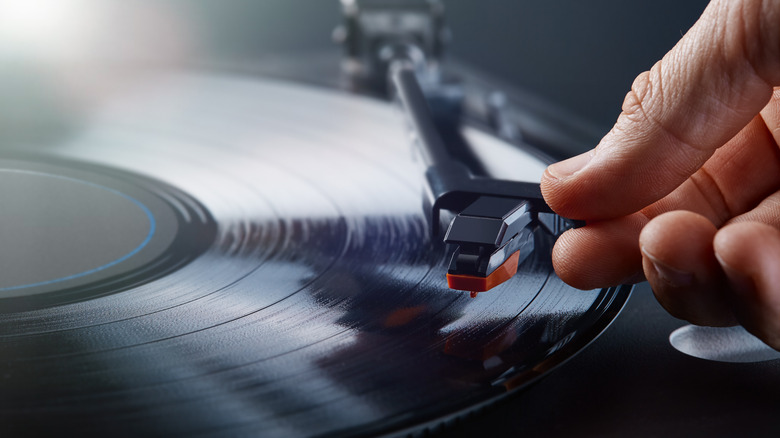
For beginners, picking out a quality turntable can be a bit confusing. While visual differences and cartridge types are generally easier to understand, the distinction between belt-drive and direct-drive turntables is much vaguer. Putting it bluntly, one is not necessarily better than the other. The best vinyl player brands offer both variants, and you can narrow it down based on your preferences and budget.
The debate has been raging for nearly as long as audiophile-quality tech has been around. Browse any Reddit thread, and you'll quickly learn that each consumer has their own ideas on which type reigns supreme. To eliminate some of that analysis paralysis, the key question you should ask before choosing which camp to support is whether you'd rather sacrifice some of the fine pitch control afforded by a direct-drive motor for the lower sound floor of a belt-drive. More importantly, are you okay with changing belts, or would you prefer a set-it-and-forget-it kind of system?
Key differences between belt-drive and direct-drive turntables
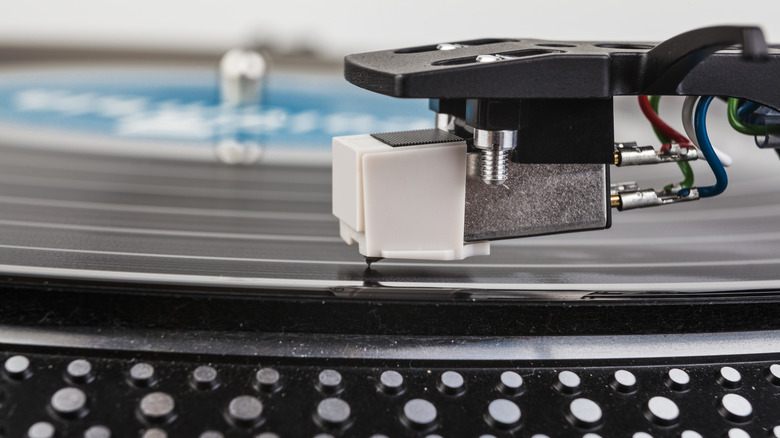
So you've decided to go for a turntable over a cheap record player: welcome to the club. There will be time to pick out a replacement cartridge, but for now, your first step is to decide between a belt-drive and a direct-drive turntable. Unfortunately, this is when confusion officially enters the chat, so it's good to know how both types operate.
With a belt-drive, the platter is located on a bearing-supported center spindle. As the name suggests, a rubber belt goes around the rim of the platter and motor-driven pulley. Since the drive motor isn't in direct contact with the platter, there will be much less overall vibration, meaning fewer chances of your cartridge picking up the motor's rumble. However, the belt will eventually wear out and stretch over time, so you'll have to replace it once you notice the pitch go wobbly.
Direct-drive, on the other hand, has the motor spinning the platter directly. The central spindle is part of the motor itself, making it pretty low-maintenance, since you won't have to deal with changing belts. Direct-drive turntables also offer finer pitch control, and many audiophiles prefer them for their pitch stability. Yet, due to their design, they're bulkier, more expensive, and, in many cases, have a slightly higher noise floor than a belt-driven counterpart.
Which turntable type is right for you?
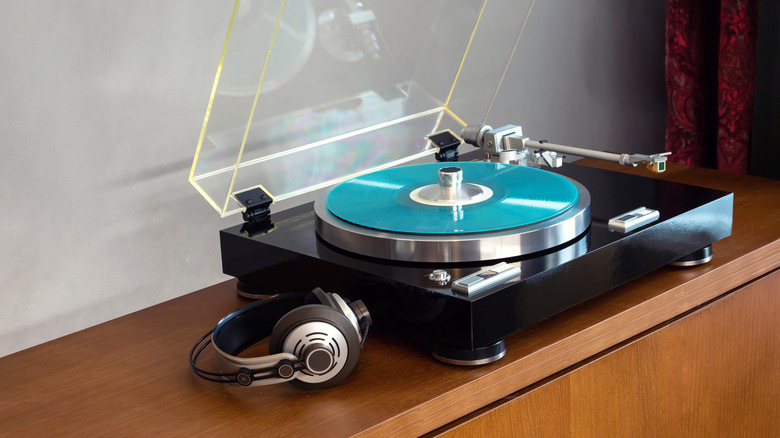
Is there a clear winner between belt-drive vs direct turntables? While it's not a swooping win, if you want to have the best sonic experience, a belt-drive comes out with a slight edge. Due to minimal vibration and interference, you'll get the clearest audio possible. If you go for a model with a heavy platter, you can even achieve stability that rivals direct-drive tables. Replacing a belt isn't that hard either, and you'll likely get the hang of it on your first try.
This doesn't mean that a direct-drive machine is not up to par by any means. The design is much more stable, and you have variable-pitch control to get the platter to spin at exactly 33 RPM. You also won't need to replace belts either. Still, the fact that a quality turntable requires more components to dampen vibration increases both the overall bulk and the cost of admission.
Spinning records is a journey. You'll eventually find upgrades to improve the turntable's audio quality (a new tonearm or a high-grade cartridge), but it all starts with the motor type. Either will work, and it's simply a matter of preference and how much minute interference and variations in pitch you're ready to tolerate. Most consumers can barely tell the difference, so regardless of which one you opt for, you'll finally get to hear and feel for yourself the analog goodness you've read about for so long.