

Keep These Gadgets Away From Your Router If You Want Fast Internet
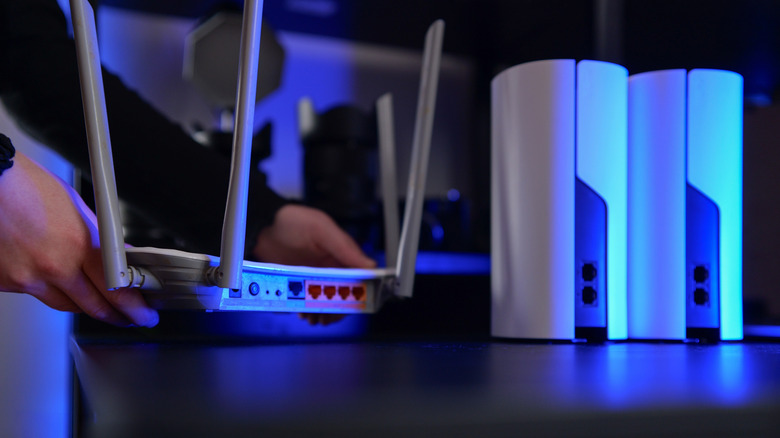
At a time when so many devices rely on seamless internet connectivity, even slightly slow speeds can disrupt everyday tasks. From streaming content to downloading files, everything depends on the internet speed your device receives. Keep in mind that simply opting for a fast internet plan isn't enough. You also need to make sure the router isn't fighting interference from nearby gadgets.
A wide array of devices and gadgets interferes with your router, and many of these are present in almost every home. Gadgets like baby monitors, cordless phones, Bluetooth speakers, security cameras, smart TVs, and even unshielded power cables can cause interference and directly impact internet speeds on your PC or smartphone. As long as these devices are away from the router, the interference is largely negligible, but when placed in close quarters, you start to notice the difference in network speed, connectivity, and reliability.
The good news is that you don't need to upgrade the router, change plans, or switch ISPs to increase your internet speed. In many cases, simply changing the router's position or keeping interference-causing gadgets away from the router is all that's needed. The results are visible almost immediately.
Baby monitors, cordless phones, and other wireless devices
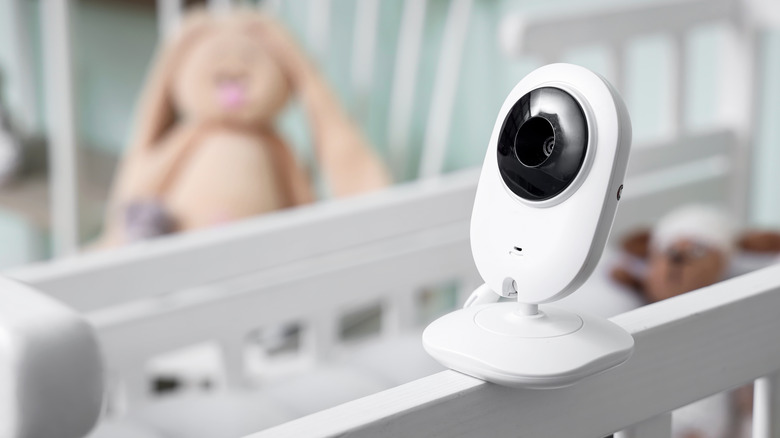
If you have a digital baby monitor in the house, it's likely causing interference with the Wi-Fi router. That's because many baby monitors operate on the same 2.4 GHz frequency as the router. You have the option to switch to a non-congested, non-overlapping channel, say 1, 6, or 11, on the 2.4 GHz band. To find that out, you will need a Wi-Fi analyzer app. It's a little too complicated for the average user, but a simpler solution exists. You just need to place the baby monitor away from the router if the two are currently within a few feet of each other. Maintain a distance of at least 8-10 feet between the two.
Similarly, some cordless phone models also operate on the 2.4 GHz band, leading to interference and slowing down the internet speeds for other devices. You can either switch to a model that operates on another band or simply move the cordless phone away. Bluetooth speakers also cause some level of interference because they rely on the same 2.4 GHz frequency band. A distance of 3-5 feet should be maintained between the two. Remember, any device that operates on the same band as your router may contribute to wireless interference when placed near it. When you have too many of these inside the house, it increases congestion and may worsen the situation.
Security cameras, TVs, and smart home devices
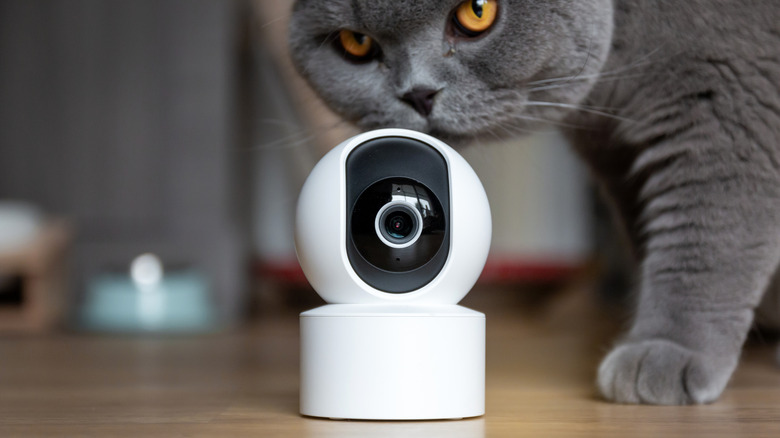
With people growing more security-conscious, many are now getting security cameras to keep a closer watch on what goes on in and around the house. But these too can cause interference with your Wi-Fi router if the two are in proximity. Besides moving the security camera away, switching to a wired model is also an option, but this has its own drawbacks. Additionally, security cameras that continuously upload videos to the cloud can strain available bandwidth, leading to slower internet speeds on other devices.
Another common source of Wi-Fi interference is your smart TV — even the modern ones. These are connected to your Wi-Fi router while also using Bluetooth connectivity for devices like speakers or soundbars. This increases wireless interference in the area, and any nearby router will bear the brunt of it. Experts often recommend connecting smart TVs to your router via an Ethernet cable. This reduces interference as well as improves your TV's internet speed. Similarly, smart home hubs should be kept away from the router. These, too, are connected to a large number of devices simultaneously and can overload the area with signals that interfere with your router.
The problem is more prominent on routers that rely heavily on the 2.4 GHz band. On modern routers that support 5 GHz and 6 GHz bands, you can switch critical devices to these bands to shield them from the effects of interference on the 2.4 GHz spectrum. Or, you can always pick the best place to put your Wi-Fi router.