

8 Cool New iOS 27 Accessibility Features You Can Look Forward To In The Fall

Following the pattern of the past few years, Apple decided to announce upcoming software features ahead of its WWDC keynote. This time, the company is officially unveiling a handful of new accessibility functions for iOS 27, which is expected to be previewed during the WWDC 2026 keynote on June 8, and released to all users by fall. While the star of this keynote should be new Apple Intelligence features and an all-new Siri powered by Google Gemini models, the company already teased a bit of that by revealing that Apple Intelligence will power VoiceOver and Magnifier, natural language will come to Voice Controls, and a few other perks that will make the iPhone, but also the iPad, Mac, Apple TV, and Apple Vision Pro more accessible to users.
What's more interesting about Apple's accessibility features is that everybody can take advantage of them, as one of the most popular features have been Vehicle Motion Cues, which helps improve motion sickness when the person is using a gadget in a vehicle. For example, this functionality will expand to visionOS 27, as many Apple Vision Pro users take advantage of that headset in airplanes, trains, and other moving vehicles.
Despite rumors regarding upcoming iOS 27 features, these are the first batch of officially announced functions, and here's how they might make your iPhone experience better once iOS 27 becomes available to everyone.
VoiceOver and Magnifier get Apple Intelligence
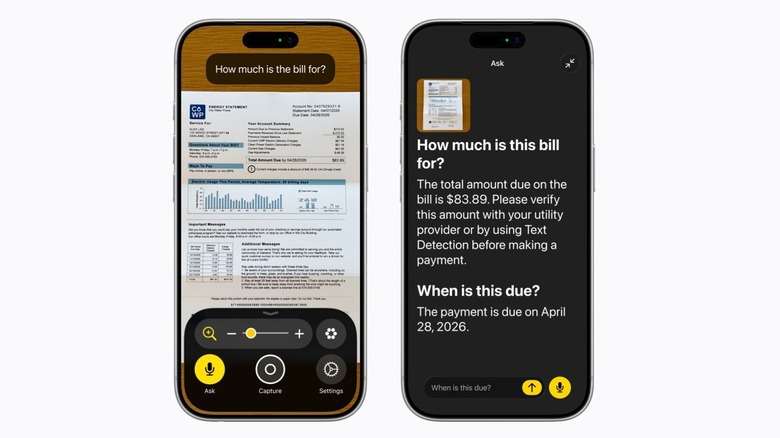
VoiceOver and Magnifier are accessibility features focused on blind people or those with low vision. What they have in common is that they can describe what's on the iPhone screen so users can quickly navigate through apps, reply to messages, or get a description of a photo. Now, Apple is expanding this feature with Apple Intelligence. While it's unclear how much the company might rely on the new models in partnership with Google, the company says VoiceOver is getting Image Explorer, which gives better descriptions of photos, bills, personal records, and visual content in general.
Live Recognition works similarly to Visual Intelligence for blind people and those with low vision, as you can press the Action Button to ask a question about what your camera is pointing to. Besides a detailed response, Apple says that users can ask follow-up questions to get a better understanding of what's going on.
Magnifier, which is focused on helping people with low vision to navigate their iPhones, is adding Apple Intelligence to this high-contrast interface to make it easier for users to understand what's onscreen. Apple explains that users can use the Action Button, or do spoken requests so they can get more details about a bill, article, or image, while also giving commands to control the iPhone.
Natural language comes to Voice Controls
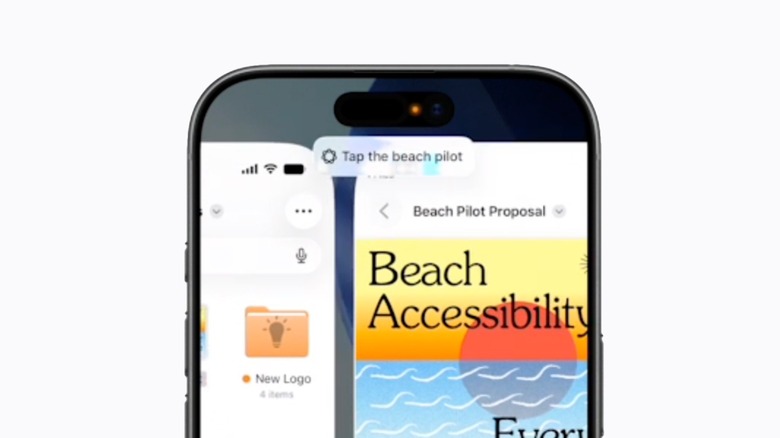
The same way Apple CarPlay users can control the infotainment system with voice commands, including very specific ones like "Open the second app in the first row," "Zoom in" for Apple Maps routes, and even control music playback, Voice Control will get more natural with Apple Intelligence's updated natural language. This is something the company has been rolling out over the past few years on its apps, including Apple Music, App Store, Apple TV, and other search boxes, but it's now expanding system-wide to make it easier for more people to enjoy their iPhones.
Basically, iPhone and iPad users will be able to control their smartphones and tablets without having to touch the display. From the "Say what you see" command, Apple Intelligence will guide users through their own devices and help them get what they want, whether it's finding a document in the Files app, getting a guide about restaurants in the area with Apple Maps, or getting access to parts of an app which aren't very accessible.
This way, Apple Intelligence can describe the page, give you information about the buttons it can tap, and you can decide what you want to do. This feature joins a handful of other accessibility features, including the ability to control the iPhone through eye gestures. While these functions might sound cool for everyone to try, they're especially useful for users with disabilities or restricted movements.
Accessibility Reader gets really accessible
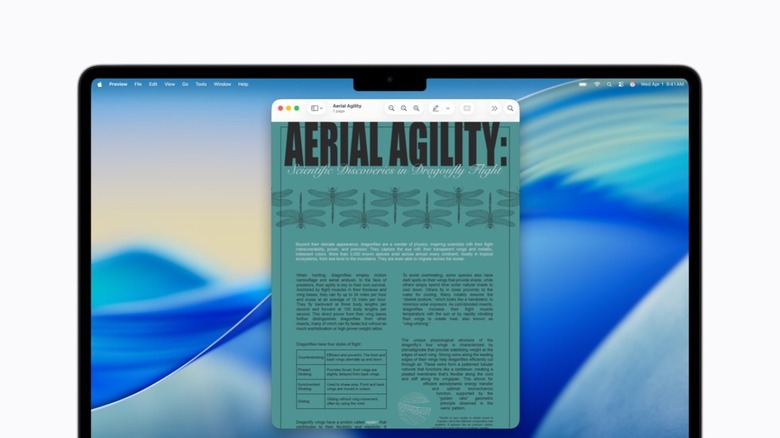
Apple is also improving its Accessibility Reader feature by powering it with a more inclusive AI. While users can already ask Siri to read a document, zoom it in, or even use Apple Intelligence to summarize an article, iOS 27 will make it easier for iPhone users to read more complex materials.
Apple says that users will benefit the most when trying to peruse scientific articles, text with multiple columns, images, and tables. After all, these documents don't necessarily follow a very straightforward reading, which could be challenging for the current Reader to give a proper continuity for the user. Now, Apple says iOS 27 and Apple Intelligence will be better to handle that.
Another very interesting upgrade for the Accessibility Reader is that Apple Intelligence can translate documents to make them readable in your native language but also maintain the formatting, font, and colors of the original file, meaning you can comfortably read a paper, story, scientific article, and more, the way the author intended. This way, Apple ensures that users can take advantage of more types of files and documents all by themselves.
Auto-generated subtitles
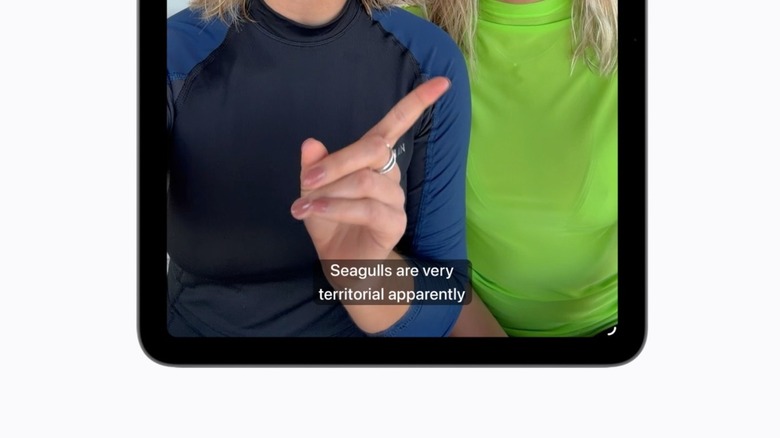
Over the years, Apple has added several nice-to-have features related to video and subtitles. With iOS and tvOS, if you don't understand what's been said on an Apple TV show (or other supported streamers), you can ask "What was that they said?" and Siri would rewind a few seconds and automatically add subtitles to make it easier for you to understand what's onscreen. The company also made it easier to customize the font and color of subtitles. However, this upcoming iOS 27 accessibility feature could be even more interesting, as Apple says it'll now auto-generate subtitles for videos.
However, the company isn't talking specifically about adding an auto-generated subtitle to your Netflix show. As a matter of fact, it's going to create auto-generated subtitles for personal videos, images that family members and friends share, and even spoken audio. With that, Apple wants to make it easier for deaf or hard of hearing users to have the same experience of sharing and understanding content as anyone else.
Apple says that, at first, this feature will be available in English in the U.S. and Canada. While the company didn't share plans as to when it might expand this feature to additional countries, it says that everything is processed on-device, meaning that an auto-generated subtitle will never send your personal videos or memories shared by your family to a server, as everything will be handled by your iPhone, iPad, Mac, Apple TV, and Apple Vision Pro.
Name Recognition, new API for FaceTime, and game controllers
The sixth cool accessibility feature coming to iOS 27 is an improvement to Name Recognition. While this feature has already been available, and it can give several cues that someone called you by flashing your iPhone flashlight, getting a notification, and so on, it can now be enjoyed by people across more than 50 languages worldwide, helping make deaf or hard of hearing people more aware when someone calls their names.
Besides that, following the introduction of Live Translation for FaceTime calls, which can automatically transcribe or generate what someone is saying from one language to the other, Apple is now releasing a new API that can let developers add a human interpreter to an ongoing FaceTime video call for people who use sign language. This way, if you, a friend, a family member, or even a business is having a hard time communicating, apps can now offer the ability to add a human interpreter into the mix.
Last but not least, Apple is expanding support for traditional game controllers with iOS, iPadOS, and macOS to more inclusive options, like Sony Access controller. With this accessory, users can make the controller more accessible for them, as it's possible to tweak the thumbstick, built-in buttons, external ones, or improve the specialty switches to a layout that works for your needs. Apple says that users can even combine two controllers, making the experience truly inclusive for any gamer.