

Is A 3D Printer Still Worth Buying In 2026?
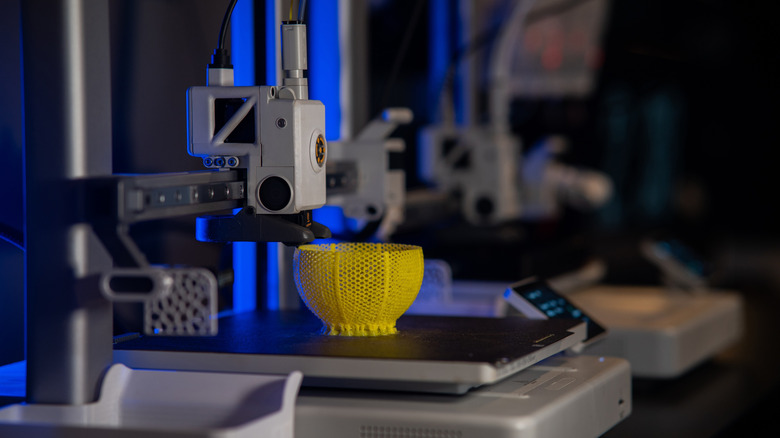
3D printers are really affordable in 2026, with some entry level machines now dropping into the low hundreds of dollars. That said, even at that price point, whether a 3D printer makes financial sense is a complicated question. For businesses, makers who print regularly, or people who need custom parts on demand, the value proposition is much stronger, and the purchase is more likely to be worth it. 3D printing can reduce your reliance on retail parts and can be a godsend for long prototyping cycles that become extremely costly through traditional manufacturing.
3D printing technology has come a long way since its inception, with new innovations constantly emerging. Printers are faster, quieter, and much more user-friendly than early models; in fact, they recently solved the 40-year-old problem of creating a 3D zipper. Today's machines can handle some of the most onerous and frustrating parts of the process automatically, like calibration.
Finding out if owning a 3D is worth it largely comes down to how (and how often) you intend to use it. If you expect your printer to provide a quick return on investment printing out a handful of smaller items, you're likely to be disappointed, when you factor in the upfront cost of the machine and additional expenses like filament, failed prints, post-processing, and maintenance. There's also the more nebulous cost of your time, invested in learning the machine and software and how to troubleshoot problems.
The real cost starts before the first print
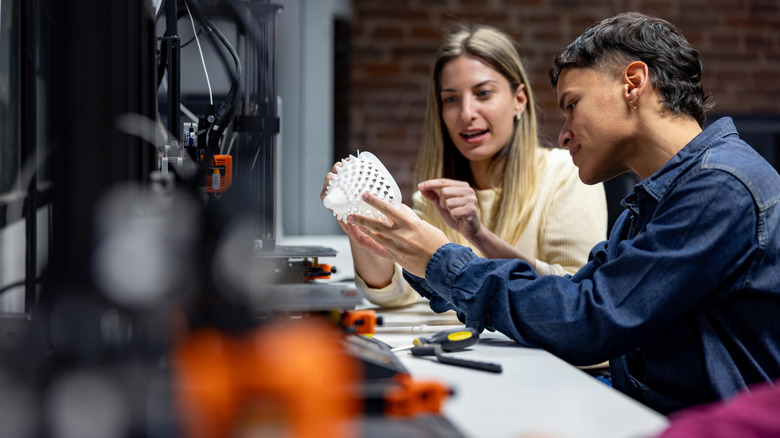
The reality of owning a 3D printer in 2026 is that the sticker price is only the beginning. You can grab a reasonably reliable printer these days for anywhere between $150 to $1,000. For a beginner-friendly model, you'll likely pay from $200 to $400. However, you'll also need to buy materials and accessories, including items like filament, spare nozzles, tools, and possibly software. A few extra rolls of material are always a good investment when you're starting out as well, as you can expect a fair number of failed prints early (consider starting with beginner 3D prints to smooth out the learning process).
That learning curve is actually more important than a lot of beginners may realize. While most modern printers handle calibration automatically, you'll still need to understand slicer software, print orientation, supports, bed adhesion, temperatures, and material choices if you want consistent, reliable prints. 3D printing is less like the plug-and-play nature of most appliances, and more like a workflow that you need to familiarize yourself with for success. To ease yourself in, you may want to choose a printer designed specifically to be fast and easy to use, like the Bambu Lab A1 Mini. It'll help you get into printing quickly and get over the "I bought it, but now it just collects dust" hurdle.
When the ROI is positive
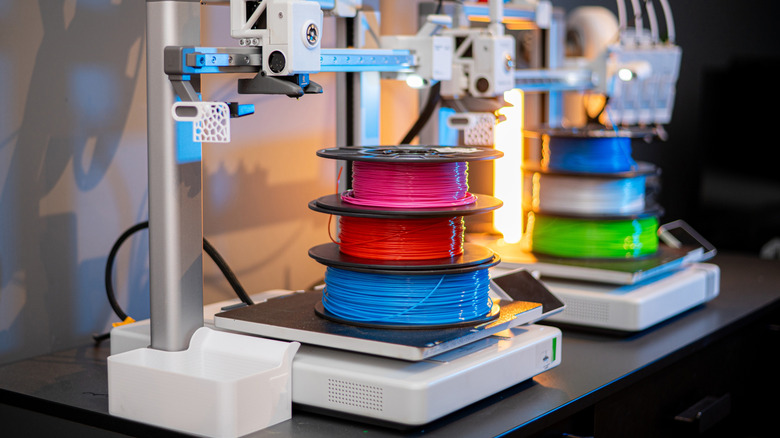
Like any expensive appliance, the best use case in terms of return on investment is one where you're using your 3D printer all the time, not as a one-off or infrequent novelty. Occasionally printing cable clips or replacement knobs may save you a few dollars, but not enough to justify the cost of the machine, especially with the other mitigating costs discussed above. 3D printing starts to make sense when it solves recurring problems.
If you frequently need repair parts over time, especially as part of a business, a 3D printer can be a sound investment. If you own a cleaning business, for instance, and constantly buy clips and attachments, the savings can add up to significant cash over the lifetime of the machine. Miniatures for tabletop gaming are another potential use case with massive ROI. They can be incredibly expensive when bought at retail, while printing them yourselves can save $10 or more per model. For small-batch production or prototyping for a home business, the economics also improve quickly because the printer is replacing retail markups, shipping delays, and outsourcing costs.