

What Does Amazon Do With Unsold Tech?
Amazon is the largest e-commerce company worldwide, shipping millions of orders every day. But not everything listed on Amazon finds a buyer. Some products remain unsold, while many items are returned to Amazon and never find a buyer again. From laptops and tablets to smart TVs, the list goes on.
The e-commerce giant has laid out a framework to deal with unsold inventory, one that's designed to minimize e-waste. According to the Amazon Sustainability Report, the company optimizes its inventory to lower waste generation, and helps customers make an informed choice to reduce returns. For products that are returned or remain unsold, Amazon prioritizes reuse, recycling, and donation. But that doesn't happen every time.
Over the past few years, countless investigations have revealed something many people are unaware of. According to an investigation by ITV, Amazon reportedly destroys millions of unsold items every year. Stored in large boxes marked "destroy," the unsold inventory is reportedly sent to recycling centers and landfills. Even expensive tech products like MacBooks and iPads meet the same fate, according to the report. Part of the issue comes down to economics, but environmental groups have long raised concerns about these practices and their environmental impact.
Amazon resells, recycles, or donates unsold tech
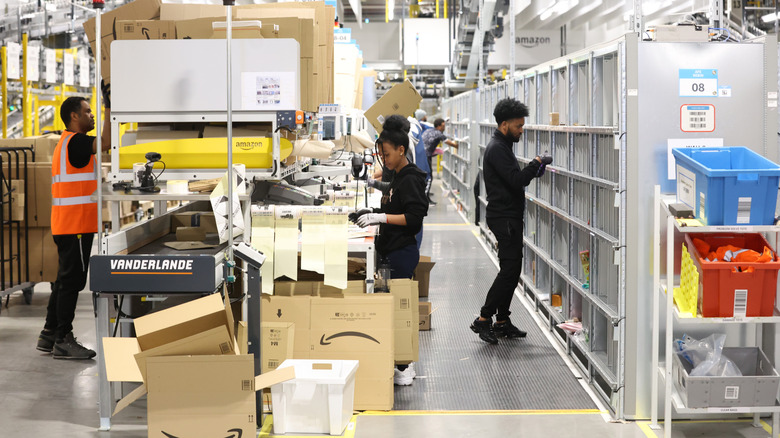
On its part, Amazon claims that none of its items end up in the landfill in the U.K., countering the report from ITV. In a blog post, Amazon says that its "priority is to resell, recycle or donate any unsold products to charitable organisations," and only items that can't be recycled at this point get sent to energy recovery. The blog also details the steps Amazon has undertaken to reduce returns and disposals. Two of its biggest initiatives are Amazon Resale and Amazon Warehouse, where returned products are graded and sold off at discounted prices to attract buyers. This includes products like top-rated laptops, smartphones, tablets, smart TVs, and other tech accessories. As for products that are still in brand-new condition, they are labeled as "new" and sold directly through Amazon.
Amazon also claims to work with third-party sellers on resale, liquidation, and donation programs. When sellers opt for liquidation, the unsold inventory, including tech products, is auctioned off through liquidation marketplaces. The Amazon Sustainability Report highlights how the company, in 2024 alone, helped third-party sellers with reselling or donating around 391 million products in the U.S. and Europe. In the same report, Amazon claims to have donated 166 million items from its inventory worldwide in 2024.
Sometimes, sellers also reduce prices to clear their unsold inventory for products that fall under the FBA (Fulfilled by Amazon) category. That's because sellers are charged a higher fee, called the aged inventory surcharge, on unsold products that sit in Amazon fulfillment centers for over 181 days.
Some electronics may still end up getting destroyed
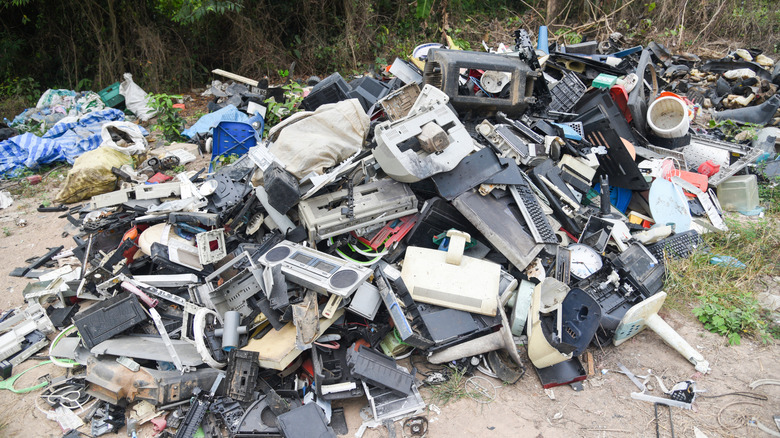
Even with these programs and recent changes by Amazon in place, products still end up getting destroyed, or what Amazon calls "processing non-recyclable waste and turning it into usable sources of energy." In its 2021 investigation, ITV highlighted how 124,000 items were marked as destroyed in a single week, around half of them still unopened. In the same period, the number of products set aside for donation stood at 28,000. The gap may have narrowed in recent years, with Amazon introducing newer frameworks, but the fact remains that many products still end up being recycled for spare parts or destroyed. And there's an incentive for everyone involved because of the way things operate.
Amazon charges a fee from sellers for leasing shelf space in its warehouses. And it expects that inventory to be fast-moving. When the products remain unsold for a fixed period, Amazon increases the storage fees. And over time, it becomes more cost-effective for sellers to dispose of their products than to store them. For many reputable, well-known brands, this also becomes a necessity as they don't want their products to be listed at dirt-cheap prices. This directly hurts their brand's image and the product's appeal.
Whether a product gets resold, listed at a discount, donated, or ends up getting recycled or destroyed depends largely on Amazon and the seller. But it shows us a darker side of e-commerce, that sometimes, it is easier, faster, and cheaper to dump perfectly fine, usable products than to find buyers.