

Why There's Simply No Need For Amazon Alexa Anymore
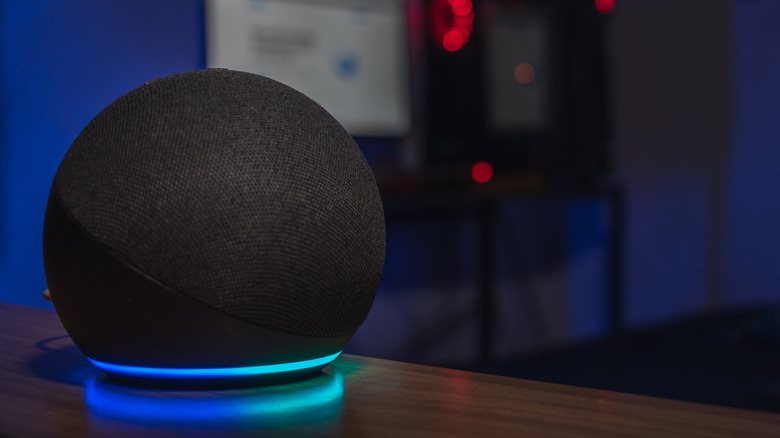
Amazon Alexa remains synonymous with voice-enabled assistants and has undeniably reserved its spot in pop culture. While it remains a popular piece of software (over 600 million Amazon Echos were sold in total), the cracks have been showing for some time. In fact, many users are fed up with Amazon's advertising practices and plan on finally getting rid of the old Alexa.
Aside from a lack of trust toward Amazon in the data safety department, what are the key reasons people are ditching Amazon Alexa devices? Some believe that the explosion of LLMs made Alexa outdated, while others are annoyed with Amazon's insistent upselling attempts. Though the newer Alexa+ has made Amazon's product operate like popular LLMs (and packs in five new features, such as scheduling), the service costs $19.99 per month for those without an Amazon Prime subscription.
Certain users are already fed up with Amazon's service area switching to local, open-source options like Home Assistant or defecting to Apple Home and Google Home. Granted, those moving toward alternatives may not represent the majority yet (it's also still very unlikely that 600 million Echos will end up in the trash can overnight). Yet it's easy to see that, for many, Alexa doesn't have much appeal anymore. Since a basic LLM arguably blows Alexa's base model out of the water, the irksome aspects of Amazon's famous voice assistant may not make it worthwhile anymore.
Why is Amazon Alexa falling behind?
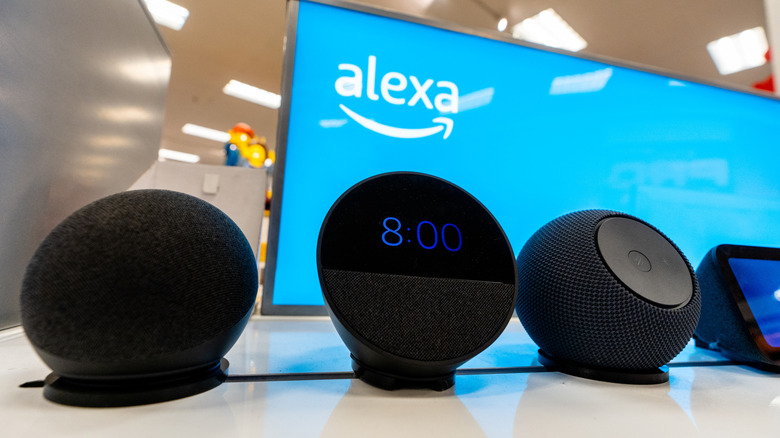
It's true that learning a new bag of tricks for Amazon Alexa could drastically improve the overall experience, but the OG Alexa is still dated by today's standards. After the LLMs hit the scene, conversing with Alexa, which operates on something like video game dialogue trees, became quite tedious . Users have pointed out that Alexa is limited compared to modern AI models that can accurately replicate human conversation.
It's no surprise that Amazon Echo devices, and by extension, the original Alexa, are either collecting dust or being relegated to bare-essential tasks like starting timers. In such a landscape, some quirks that users learned to live with are becoming non-negotiable. For starters, it's simply hard for consumers to trust Amazon with their data. The retail giant only stores recordings after activation, though the Echo is always on, making many uncomfortable.
The most annoying part, however, is Alexa's prodding nature. The voice assistant was always notorious for bothering users with unsolicited suggestions. You can disable notifications, but it's likely that the damage is already done, as it's generally accepted that hearing the phrase "by the way" blasting from the speaker is among the most annoying things in the universe.
Can Alexa restore its relevancy?
The specific reasons why people are ditching Amazon Alexa devices are certainly revealing. Still, Alexa+ may have put the final nail in the coffin for the popular assistant. As a bit of context, Google also saw the writing on the wall and has slowly phased out the old Google Assistant in favor of Gemini. While early adopters complained about Gemini's reliability, it's widely accepted that the rollout was a success.
By contrast, the Alexa+ launch suffered not only multiple setbacks but also a generally lukewarm reception, to the point that plenty of Alexa stans started reverting to the old version. Users also reported that the original was severely dumbed down. Although this information isn't confirmed by Amazon, the community has debated whether the switcheroo could be an attempt to make the software's free version obsolete.
Where does that leave Alexa? Alexa+ is available to Amazon Prime members for no extra cost, and the updated service costs $19.99 monthly. Now compare this to Gemini. Not only is voice-ready Gemini free on smartphones, but it's also available on Google Nest devices for $10 per month with the Standard Google Home Premium subscription. Since ChatGPT's voice features are also free (with time limits, which are more than generous for home use), Amazon Alexa's struggle to find its place in the new LLM-dominated world is hard to deny. Although it will probably maintain a strong user base, the chances of it regaining its powerhouse status are slim.