

Why No One Needs A Smartwatch Screen Protector Anymore
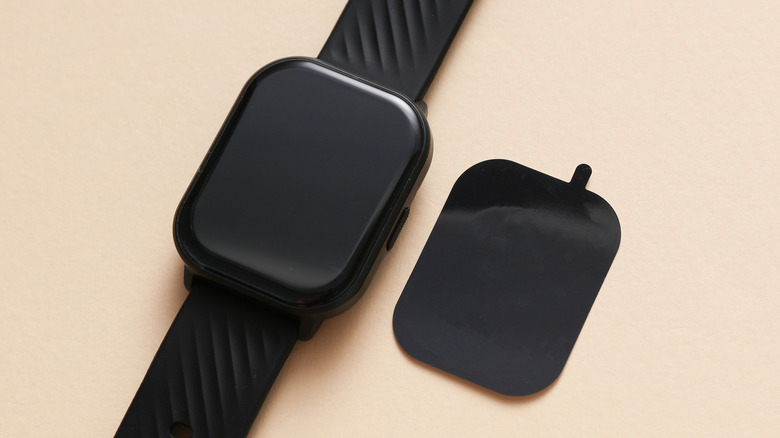
The smartwatch screen protector market generates tens of billions of dollars, suggesting that many folks consider a protector as an essential purchase. The screen protectors typically come as thin adhesive films (plastic or TPU) or as rigid tempered glass layers that stick directly to the display to protect it against scratches and knocks. But are they really necessary?
It could be that the popularity of screen protectors stems from a habit we developed with another popular device: the smartphone. The first purchase that many people make after buying a smartphone is a screen protector, and so maybe we're hardwired to do the same when we buy a smartwatch, too. It's also possible that, because the watch usually sits exposed on our wrist, we instinctively feel it requires an extra layer of protection in the form of a film or glass covering the display.
But truth be told, smartwatch screens have become tougher over time due to better glass and ceramic coatings, with makers of top-end watches using hardened ion-exchanged glass, sapphire, and Gorilla Glass to improve scratch resistance and daily durability. With that in mind, unless you spend most of your time in a very physical environment that leads to constant scuffs and bumps, or you buy a budget watch with less reliable glass, a smartwatch screen protector is a purchase you don't really need.
Tough materials for hard knocks
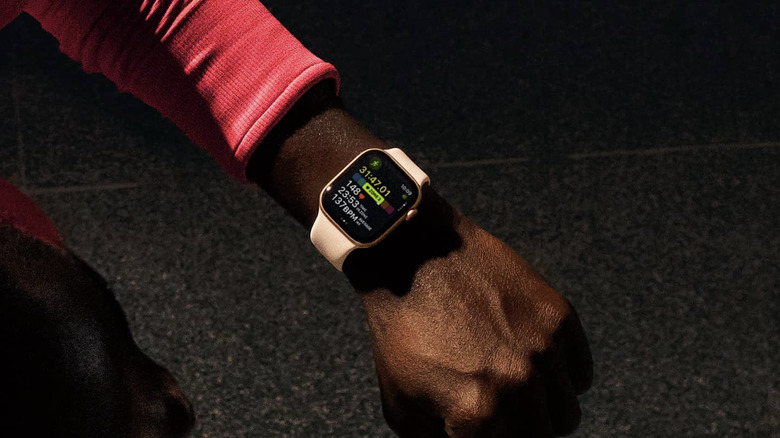
Modern smartwatches, especially mid-range and higher-end models, almost always use one of two main materials. For example, the Apple Watch Series 11 and SE models use Ion-X glass, a hardened material designed for robust impact resistance and everyday durability. The higher-end Apple Watch Ultra 3, on the other hand, uses sapphire crystal, which is harder and significantly more scratch-resistant. Another maker of premium smartwatches, Garmin, often uses Corning Gorilla Glass, which is also great for everyday protection. Like Apple, Garmin also uses sapphire crystal for its pricier smartwatch models.
If your unprotected smartwatch display comes into contact with materials like plastic and wood, it'll be just fine. There's more risk with harder materials like sand and concrete, but unless the impact is particularly severe and prolonged, your watch is unlikely to show any visible damage. We know this from scratch tests based on the Mohs hardness scale, which ranks materials from 1 (softest) to 10 (hardest). Gorilla Glass is rated around 6-7 on the Mohs scale, while sapphire is around 9, meaning everyday materials like wood, plastic, keys, and even steel (4-5) are too soft to leave a mark. Only harder materials, such as quartz in sand (7) or concrete (including dust and rough surfaces), could potentially cause a problem. It's worth noting, too, that many of the marks picked up by screen protectors wouldn't have appeared on the watch's actual display because the protector is usually made of a softer material.
To determine whether your smartwatch really needs a screen protector, ask yourself how often it comes into contact with damaging surfaces. It's likely that, unless you work at a construction site or in a workshop, your watch will be just fine without one.
Spend your money on something else for your smartwatch
If you're the cautious type and don't feel comfortable wearing your watch without a screen protector, then, for peace of mind, it's sensible to stick one on. But if you're ready to go sans protector, you'll save a few bucks you can put toward something else.
Have you ever considered something like a 3-in-1 charging station? The WAITIEE Wireless 3-in-1 Charger, for example, is currently available on Amazon for just under $20. It can charge not only your smartwatch but also compatible smartphones and earbuds, all at the same time. Another bonus is that the device has a small footprint and eliminates cable clutter. A charging station like this would be great for travel, or even for the home or office if you're a fan of convenience and like to have a tidy desktop.
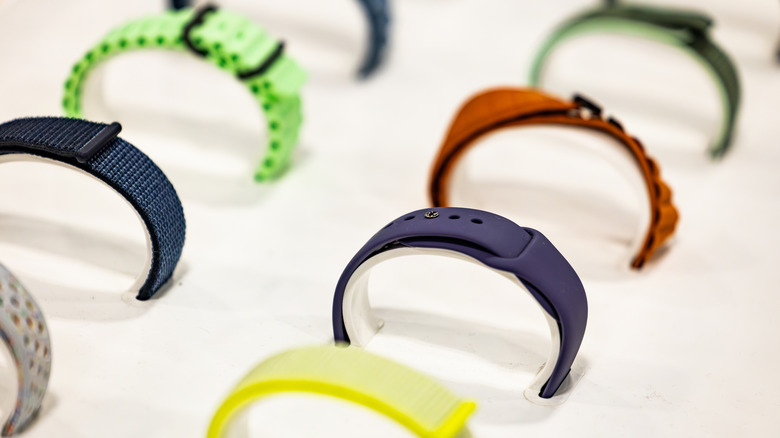
You could also spend some money on a new strap for your smartwatch. Perhaps your current one is looking a little worse for wear, or maybe a second one can be used for sweaty workouts while you keep the first one for everyday use.