

Why A Star Trek Episode Was Banned In Germany For Three Decades

In season 2 episode 21 of "Star Trek," "Patterns of Force", the crew of the USS Enterprise find themselves on planet Ekos searching for missing Federation history professor John Gill. When Kirk and Spock arrive, they discover that Ekosian culture has been transformed to mirror the Nazi party, with Gill seen as their Fuhrer. Characters are seen wearing Nazi uniforms, performing the Hitler salute, and newsreel footage from 1930s Nazi Germany is featured throughout the episode.
The use of Nazi imagery, iconography, and one character remarking that the Nazis had one of the most efficient systems of government, are why the episode was banned in Germany for three decades. The episode originally aired on February 16, 1968, but wasn't shown on TV in Germany until 1996, when the government reduced restrictions that allowed more freedom of artistic expression.
"Patterns of Force" went three decades without being shown to a German audience. It's a controversial episode depicting one of the worst times in history. "Star Trek" has always been about pushing the boundaries of what's possible for the future — including redefining the way sci-fi treats its monsters — and in this case the Nazis took center stage.
What is Germany's Section 130

This episode delved into the past and showed a history that had just happened 23 years earlier at the time of World War II. Section 130, a German law, was heavily enforced to prohibit the use of hate speech, Nazi propaganda, and denying the Holocaust, as it still is today. The law was created in the 1870s with the foundation of the German criminal code. It was originally intended to address incitement around Communism, and was amended in the 1950s as a response by West German officials to go after neo-Nazi incitement.
As a television program, "Star Trek" and its episode "Patterns of Force" fall under artistic freedom. However, its use of Nazi imagery, especially with Professor Gill commenting on how efficient the party was, led to it being banned in Germany. Notably, Spock expresses agreement with the efficiency sentiment to an extent, which quickly earns pointed disagreement from Kirk.
The episode doesn't glorify the Nazi party, but rather condemns it, fascism, and the despicable actions committed by party members and leaders. It's a story that shows how the past can impact the future if it's not taught properly, such as with the teachings of Gill to the Ekosians. "Star Trek" is itself no stranger to controversy, with its first pilot being rejected by NBC.
What people think about the episode
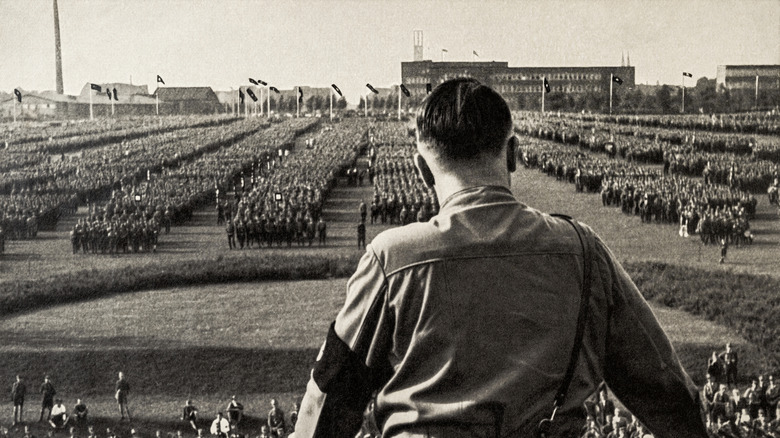
The 21st episode of "Star Trek's" second season is one that gets people talking. Though back in 1968, there weren't places like online forums to discuss the previous night's TV episode, that was for water cooler chats. For a show that's been out for six decades, fans have held discussions debating the best episodes, with heated conversations and debate regarding characters, lore, and events, making "Patterns of Force" a hot topic.
Reddit users commented that seeing Nazi uniforms on TV and actors William Shatner and Leonard Nimoy, who are of Jewish descent, wearing these outfits is disturbing. The episode's air date also sparked debate due to its proximity to WWII, with one user mentioning that it's like if another episode touched on the events of 9/11. Users responded by saying there have been episodes similar to what occurred on September 11, and that "Patterns of Force" was quick to condemn Gill and what took place in the episode.
The episode focuses on sensitive and important topics, which was pretty common for the show. "Star Trek's" original crew featured a woman as Number One, before NBC decided against it. "Star Trek" has always been about exploring, learning, and following the Prime Directive. "Patterns of Force" looks at the darker side of history, and why it should always be learned from to build a better future.