

What A Brim Does In 3D Printing – And When You Actually Need One
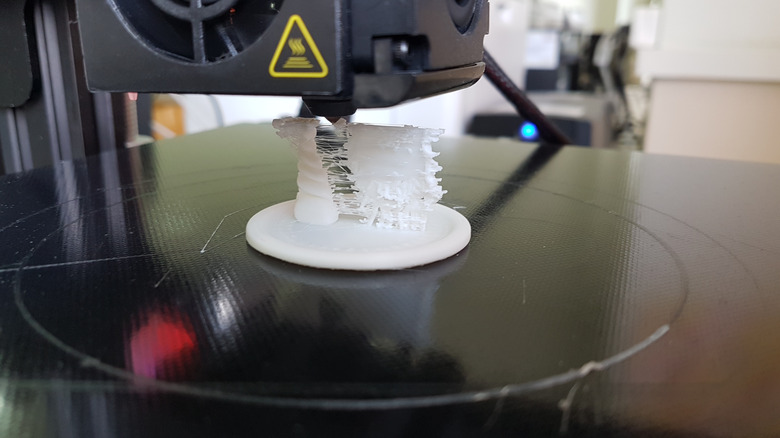
Since a 3D printer builds layer by layer, there are fundamental design principles that strengthen and improve a project's quality. For example, overhanging pieces typically need a support structure to prevent sagging or warping, so using the design tools, you'll create temporary additions. They can be easily removed or cut away when the process is complete. Similarly, rafts, skirts, and brims are used to deal with various challenges. Skirts are a surrounding, disconnected outline that serves as a priming mechanism for the extruder. Rafts provide an extra layer of support and adhesion for small prints using horizontal latticework patterns. Brims, like the brim of a hat, are thin bases that hold down the outer edges, prevent warping, and assist with bed adhesion.
Learning when and how to use 3D printing tricks can make printing easier, and experts generally agree it's necessary. They can boost the success of any print, helping to overcome some of the most common challenges.
A raft and a brim are essentially the same. However, brims can be printed faster and with less filament. They provide a stable base for the rest of the print, ensuring proper bed adhesion for support to prevent warping and defects as the print cools. They're excellent for projects with a small base or few contact points, for tall, narrow geometries that might wobble, and for using warp-prone materials like PETG, ABS, or Nylon. They're also good when you need to level a bed or print on a difficult surface such as an unheated platform, glass or other materials.
Brims aren't always the ideal choice for extra support
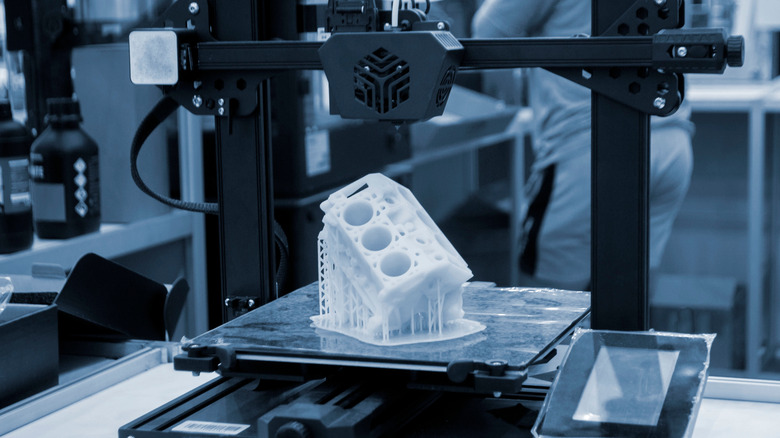
One of the most important things you need to know before buying a printer is that they're not plug-and-play. It will take time to learn the design techniques, processes, and systems involved before you can successfully create high-quality prints. That includes incorporating elements like supports, rafts, brims, and skirts into your projects. It's important to know when not to use them, as well.
Brims can certainly assist with smaller prints or those with limited contact points — meaning they don't rest firmly on the bed — by providing extra support. But they're not always a good idea. If you want the finished print to look seamless and professional, you'll need to cut away the brim once it's dry. That requires extra project time and tools to cut out the component, as well as to sand or finish the piece to remove any defects and impurities left behind. That's not a big deal with small pieces, but with large models, it's time-consuming. If they're meant to have a large, flat base, anyway, there's really no need for a brim. You should also avoid using them when the bottom layers of a piece are intricately designed or feature interlocking parts like a puzzle. The bottom surface of the print can combine with the base during printing and cooling, ruining those features. Moreover, if you're printing something that should have a visible base, avoid the brim.
Finally, brims require extra filament. Materials make up one of the hidden 3D printing costs you need to know before you start. Using extra filament for a cutaway base will increase the project's total cost.