

3 Hidden 3D Printing Costs You Need To Know Before You Start
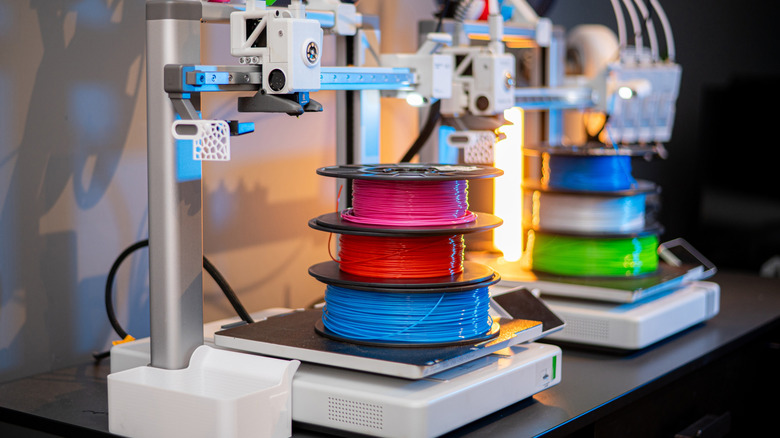
Getting involved in 3D printing doesn't necessarily need to be as costly as you might assume. First of all, there are various affordable 3D printer brands and models that may perfectly serve your needs. In addition, several platforms and sites offer free 3D printing projects to help you get started. That said, as with many tech-centric hobbies, there are certain "hidden costs" associated with 3D printing that you should be aware of.
Many of these relate to the ongoing costs of running and maintaining 3D printing equipment. For example, running a 3D printer for about 100 hours a month can add a few extra dollars to your monthly electricity bill. This might not seem like much at first, but these costs can add up if you don't pay attention to them.
None of this is meant to discourage anyone from pursuing this hobby. It's merely important to know what you're getting into from a financial perspective when you start learning the ropes of 3D printing. Being economically prepared will help you with everything from choosing initial projects to planning for upgrades.
The cost of materials
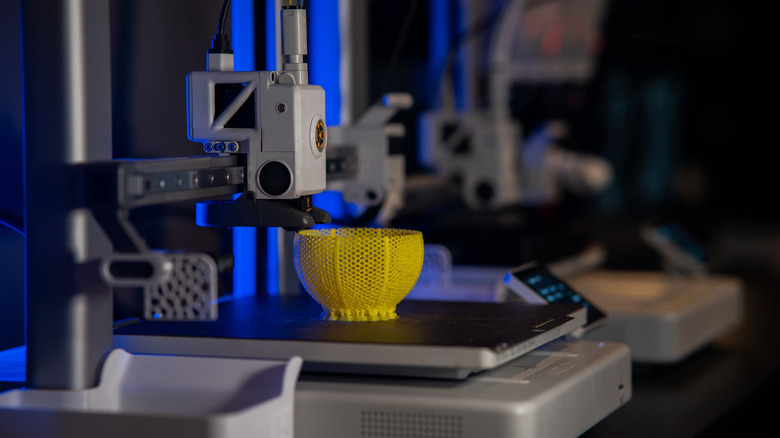
Just as a traditional home printer needs ink to function, a 3D printer also needs materials to produce physical items. That means you'll need to purchase materials such as filament, resin, or both on an ongoing basis to consistently use your 3D printer. The cost of these materials can add up over time.
This is particularly true if you make errors during your initial experiments and need to start over or ditch projects entirely. Or, you might find that the materials you're working with aren't satisfactory anymore. Sometimes a project may demand a stronger material than you started with, or perhaps you simply want to use a different color.
It is worth noting that using a 3D printer strategically can, in theory, offset some of these costs. For instance, there are numerous 3D printing projects that can save you money by letting you print low-cost alternatives to items you might otherwise spend more cash on. However, you can't get around the fact that you'll always need to replenish your materials if you want to keep using your 3D printer.
The cost of repairing, replacing, and upgrading parts
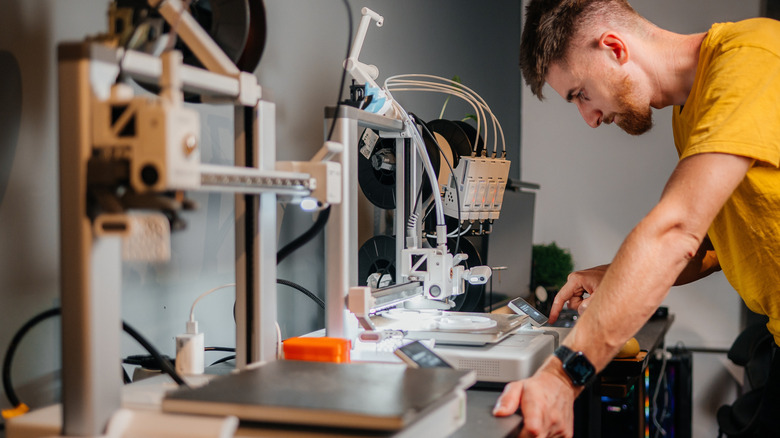
A 3D printer is a complex piece of machinery. As with virtually all complex pieces of machinery, it consists of numerous components that will wear down over time and use. Thus, someone buying a 3D printer should consider the eventual cost of repairing and replacing these components.
There may also be instances when a 3D printer part technically still works, but nevertheless doesn't serve your needs. For example, different 3D printer nozzles and nozzle sizes give users more flexibility over their projects. This is one example of a part that a budding 3D printing enthusiast may feel the need to upgrade relatively early on as they learn this hobby.
Such examples highlight the importance of conducting thorough research when buying your first 3D printer. Although you have to account for your budget, you should also account for the types of projects you want to work on. Doing so will improve your odds of choosing a 3D printer that's right for you, rather than investing in a unit that requires substantial upgrades to meet your expectations.
The cost of 3D printing models
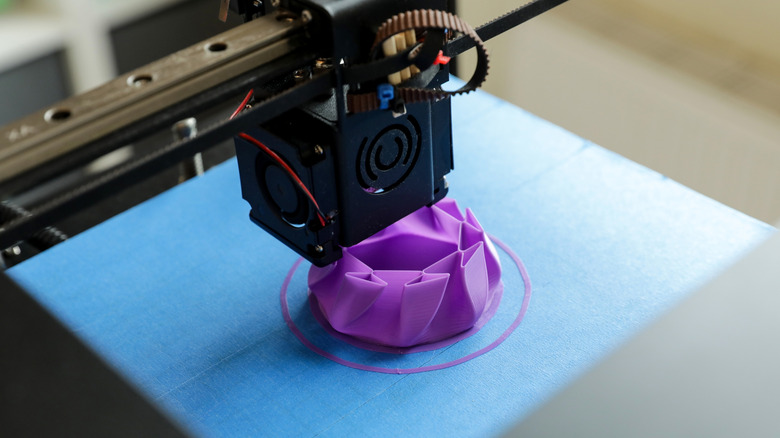
Again, there are various platforms through which 3D printing enthusiasts can access free models and files for 3D printing projects. While these models may satisfy new hobbyists, they might not impress those with a little more 3D printing experience under their belts.
As you get more comfortable with this hobby, you might decide you want to work with more sophisticated models. The cost of models can vary significantly. Some may only be a few bucks, while others can be closer to $100. For custom projects, you might have to hire a designer. This can cost you up to $200 an hour, depending on the project's complexity, the designer's level of experience, and other factors.
Keep this factor in mind when choosing which projects to start with as you learn the basics of 3D printing. As you might assume, smaller projects with relatively few parts tend to cost less than large, complicated projects. They're also generally better suited to those with limited 3D printing experience.
Just remember that the purpose of this information isn't to deter. 3D printing can be highly rewarding. That said, it's more likely to be so if you know what to expect, cost-wise.