

The Majority Of Americans Support Banning Surveillance Pricing (For A Good Reason)
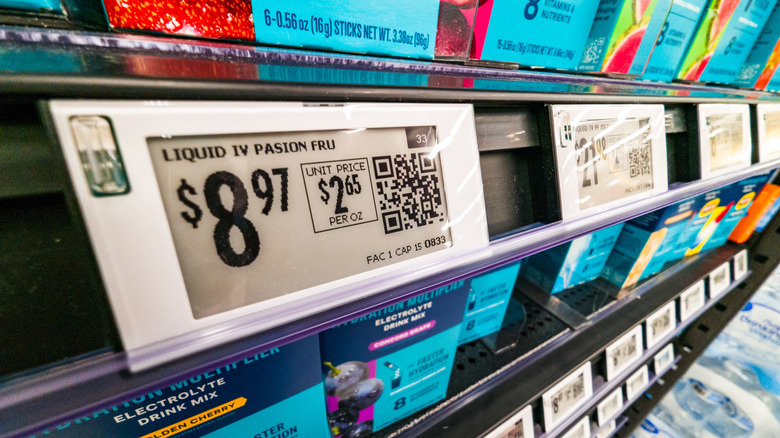
As it turns out, most Americans aren't actually fans of surveillance pricing, which relies on a shopper's personal data to determine how much they should pay for goods. This information can include previous spending habits, location, and any other personal information that the retailer might be able to get their hands on to determine a price. The practice has been around for years, as an investigative journalist discovered in 2019 that the Target app would change prices for items depending on the user's selected location — but a recent poll shows that many Americans are in favor of banning the practice outright.
The new poll was carried out by GBAO Strategies, and it found that up to 68% of voters believe pricing technologies such as surveillance pricing will directly lead to increased grocery prices. 65% believe that digital price tags — which allow retailers to update prices in real time — will negatively affect consumers in the same way. Of the poll participants, 67% supported the outright banning of these technologies. These results weren't just skewed to one political party, either, as the majority of all three parties agreed with the ban proposal, including 67% of Democrats, 74% of Independents, and 61% of Republicans.
Why Americans are against surveillance pricing
The primary reason that many Americans appear to be against surveillance pricing is because it could directly affect grocery bills, at least based on this poll. However, there's another factor to consider here, which the Electronic Frontier Foundation argues is even more important than just how it might affect our bottom lines, and that is how it affects our private data. Surveillance pricing directly relies on personal data which many argue should be protected as a human right. This data can include a person's age, race, gender, and more.
The worst part of all this is that you may have already been a victim of this new type of pricing scheme. A Consumer Reports investigation into an AI pricing experiment by Instacart in 2025 showed that users were shown different prices, with the overall difference sometimes being up to 23% higher, depending on the user. While the experiment had been highlighted in corporate marketing materials and investor materials, the customers themselves were not aware of it.
Another algorithm-based system called dynamic pricing, which sees prices change based on customer demand and inventory, has also become popular with some retailers such as Amazon and Walmart. While not quite as focused on personal data as surveillance pricing, this method still allows retailers to look at what customers browse and purchase to see what they might be more willing to spend money on. A couple good examples of dynamic pricing include airline tickets and shopping on Amazon, though some airlines like Delta claim they don't use your data. Thankfully, U.S. senators are already leading a charge against the support for these pricing methods.