

Smart Rings Vs. Smartwatches: Which Is Better For Sleep Tracking?
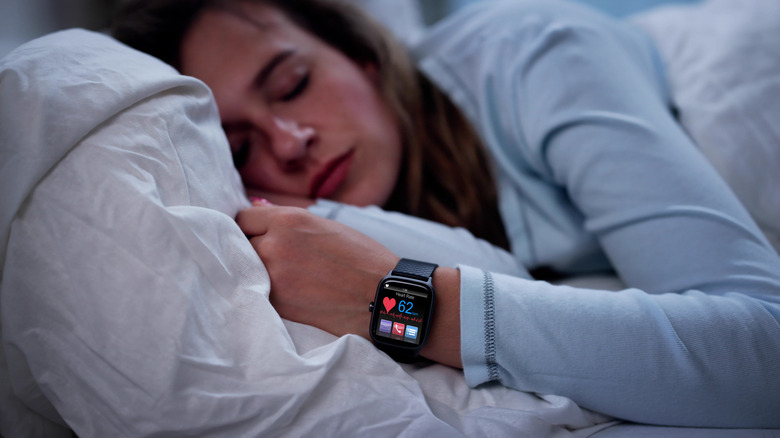
Wearable tech like smart rings and smartwatches allow you to track your fitness and health, helping you form better habits and make more informed decisions. There are plenty of good wearables for sleep tracking, and in general, these devices provide robust data on your personal sleep habits. That includes how long it takes to fall asleep, time spent in different sleep stages, and how often you wake up in the night, along with biomarkers like heart rate and blood oxygen level.
But if you're looking for the best type of wearable to help improve your sleep, go with a smart ring. While smartwatches tend to have a higher level of features and more accurate fitness tracking, when it comes to sleep, smart rings can do several things that smartwatches can't, namely offering fewer distractions. Though there are pros and cons to each, and there is some overlap in features, smart rings are better than smartwatches for sleep tracking overall for one key reason: Comfort.
Why smart rings are better for tracking sleep

Both types of wearables deliver detailed and accurate data, so there isn't a big difference with a smart ring vs. a smartwatch for sleep tracking on this front. However, a smartwatch is relatively bulky, and may be uncomfortable to wear while sleeping. In contrast, it's easier to adjust to having a ring on your finger. Wearing a smartwatch to bed also means having a screen attached to your wrist all night, which can lead to sleep-disturbing distractions.
That said, smart rings have one major downside. Unlike smartwatches, they usually require a subscription to access comprehensive information about your health. For example, without a $5.99/month Oura Membership, your app will be pretty much empty save for sleep and activity scores (numbers that mean little without additional data), guided meditations, and some tutorials. Given that these devices can be pricey – Apple Watches start at $249 for the SE 3 model, while Oura Rings run $349 and up — that extra expense may be the deciding factor for you.
After all, you're being asked to pay for information that your ring is already tracking. Still, that data can be useful, and the convenience of a ring might make it worth the extra cost. All in all, if you have the money for both, these wearables each excel in specific areas; smartwatches are better for fitness, while smart rings are ideal for sleep tracking. Since they track many of the same metrics, however, wearing both is largely redundant. Ultimately, if you're trying to find out how to get a better night's sleep, look to a smart ring.