

5 Drawbacks Of Buying Refurbished Game Consoles
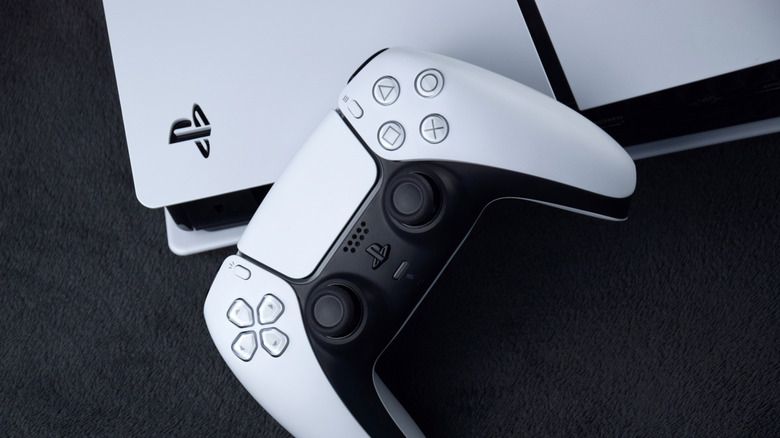
When being frugal about your gadget purchases, buying a refurbished console is one of the best ways to save while getting a gaming machine that performs like new. You can definitely get the console cheaper if you buy from someone selling their old unit. However, the biggest drawback of going this route is that it comes as-is. Refurbishers do their best to inspect, clean, and repair the console before shipping it to you. Without their guarantee, you just wouldn't have any formal way of knowing its working condition until you try it. That's a huge gamble.
Buying a refurbished console, especially if the manufacturer itself did the refurbishment, removes a lot of the risk and anxiety. Third-party refurbishers are okay if they're certified and their products are highly rated by users. With that said, buying a refurbished console still comes with some level of risk (it's just not as bad as buying used). Also, you do get a warranty, although it won't be the same length as a new unit in most scenarios. Still, it's better than something you picked up on Facebook Marketplace.
Other than shorter warranties, other drawbacks you need to worry about are cosmetic imperfections, missing accessories, the state of its high-wear components, and battery degradation (handheld consoles only). This is not to say that you shouldn't buy a refurbished console. Knowing the drawbacks can actually help you ask the right questions before making the purchase, so you don't end up with a dud.
It might come with unoriginal accessories or none at all
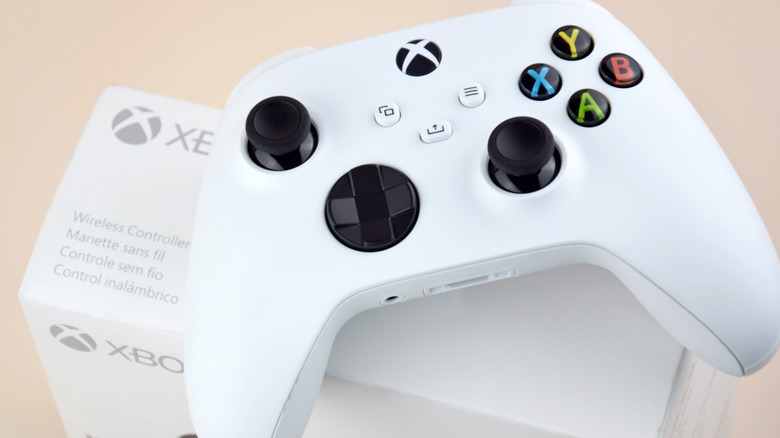
When you buy the refurbished console from the original manufacturer (OEM), you can expect that it will come with all the standard accessories. Furthermore, they will be original. If it's a third-party refurbisher, you can expect that some of the accessories, such as the HDMI and charging cables, will be generic replacements. However, there have been instances where people have gotten controllers that look legit to the untrained eye but turn out to be highly convincing copies.
In some instances, you might not even get accessories at all. Third-party refurbishers may do this to lower the price of the console, meaning you have to spend extra to purchase them yourself. So don't think that just because a refurbisher is certified, they will include all the essentials. All you're guaranteed is a console that's safe and working. At a minimum, you should get a controller, an HDMI cable, and a power cable or charger. So if you're not sure, check for a "What's in the box" section on the seller's website or shoot them a message to inquire. Policies vary depending on where you're getting the console, and you need to be sure of what you're getting.
Cosmetic imperfections (not just a psychological concern)
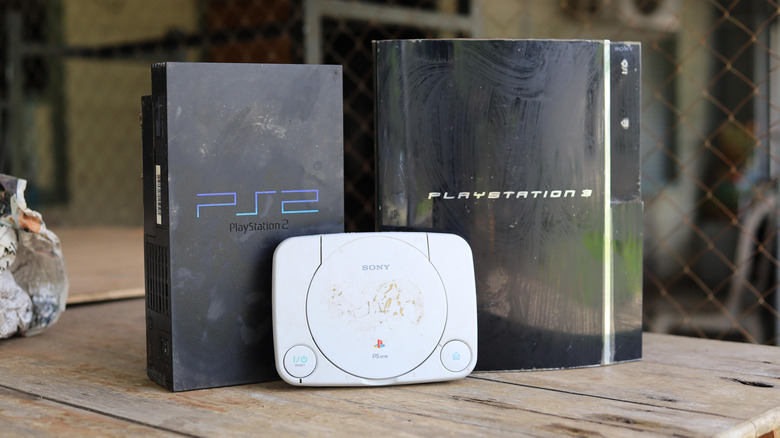
Although the point of refurbishing a console is to return it to its original condition in both looks and functionality, visible signs of wear may not completely disappear. Even if it's just cosmetic wear, you might think it's okay since the hardware inside works perfectly. Indeed, this is usually the case since the refurbishers would have run the necessary diagnostics and stress tests to ensure everything is good to go. However, those cosmetic imperfections tell a story about its usage. The more worn, the more worrying it can be. Still, this is purely psychological.
Where it becomes a real problem is when you need to sell the console. The potential buyer will see the physical imperfections, such as scratches, dents, and worn ports, and try to negotiate a lower price, even if you haven't used the console for that long. Also, if your other devices are in excellent condition, a cosmetically imperfect console can stand out in your setup or collection, disrupting the visual flow. At least reputable sellers will grade refurbished products based on their cosmetic condition. Common categories include "Fair," "Good," and "Excellent." These range from visible signs of use to almost no signs at all. So this drawback will mostly apply to the low-grade options.
Shorter warranty periods
When you buy a new console from Sony, Microsoft, or Nintendo, or a reputable seller like Amazon or Best Buy, you usually get a one-year warranty. If you run into factory defects or the console doesn't work as expected during the warranty period, they will repair it for you free of charge. If you have lived through major console defects like the Xbox 360's red ring of death or the PS3's yellow light of death, you know how much of a relief a warranty can bring. If they fail to fix it, they will send you a new unit or offer a refund.
When buying a refurbished product, it's crucial to always have some warranty attached to it. Some sellers don't include one, and you should absolutely stay away from those. If there is a warranty, especially from the manufacturer or a certified refurbisher like Best Buy, you will get a shorter warranty period of 90 days in many cases. This is not always the case, though. Nintendo and some sellers like Back Market offer a year of warranty (some even more), signaling confidence in their work restoring the console to meet specific performance standards.
Issues with high-wear components
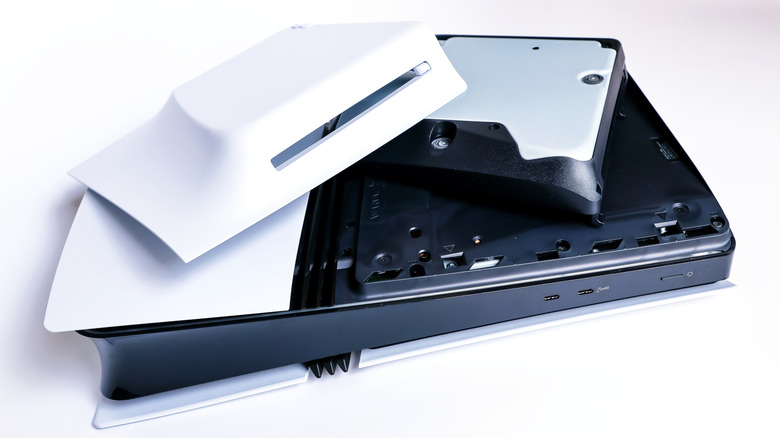
Even if you choose a console that has been restored to excellent condition, it doesn't erase the years of use (or abuse). If you think about it a little more, the restoration process can sometimes mask the true wear. The refurbisher might just replace what is explicitly broken or worn, leaving the rest of the heavily used components as-is. This doesn't mean the console is in danger of imminent failure; it just means you may get less mileage out of it.
One of the biggest concerns is anything in the console with moving parts, since these are the components that are most vulnerable to wear. Most sellers will not provide you with a usage or repair history. That means you don't know whether you're getting a console that was only used for less than a year or more.
For example, optical drives can be in rougher shape if you get the disc version of the PS5 or Xbox Series X, even though they have passed the tests the refurbisher put them through. If it's a PS4 or Xbox One, then you also have to worry about the state of the hard drive since you're technically buying a used drive. For something like the Nintendo Switch, especially the Switch Lite, you're looking at issues like Joy-Con drift and worn buttons, triggers, ports, slot covers, and Joy-Con rails.
Battery degradation for handheld consoles
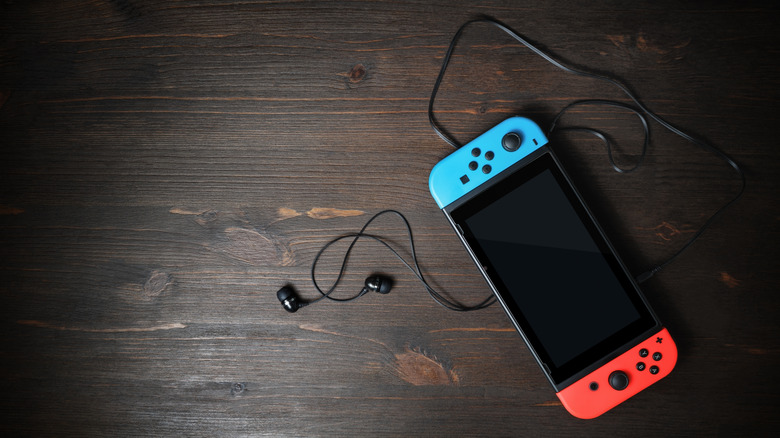
Handheld consoles typically use lithium-ion batteries, and these degrade over time. There's nothing anyone can do about it since that is their nature as they get charged and discharged over the years. You can expect the battery of a handheld console like a Nintendo Switch to last about 800 charges before its capacity drops below 80%. So if you're buying something like a refurbished original Nintendo Switch, you should expect that the battery has undergone some level of degradation because these consoles are nearing a decade since they were released — you might not get the estimated 2.5 to 6.5 hours of use on a full charge.
Lithium-ion battery degradation is irreversible. If the battery is too worn, the refurbisher will replace it. If it's the OEM, such as Nintendo or Valve (the makers of the Steam Deck), that is replacing it, they will use an original battery. Third-party refurbishers may use a compatible battery. If you're lucky, you may even get a new battery, but what the seller can guarantee is that the capacity of the battery will not be below 80%.
You would have to test the battery yourself to ensure it doesn't die in 30 minutes. For handheld consoles like the Steam Deck, there are system tools that allow you to check battery health so you can confirm if the refurbisher didn't give you a worn battery. Handhelds like the Switch don't have that, and you have to rely on the seller's word.