

Noise Cancelling Vs. Transparency: Which Audio Mode Sounds Better?
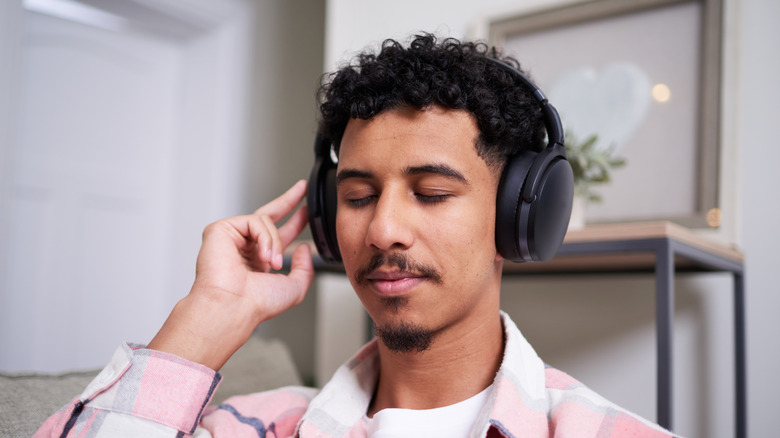
If you're after a pair of modern, wireless Bluetooth headphones, then you're looking for active noise cancellation as part of the offering. Both Bluetooth and wireless connectivity can have an effect on sound, and many headphones and earbuds also have what's called a transparency mode that uses the same microphones that cancel sound in the ANC mode to actually pipe sound in from your surroundings. This allows for awareness of your surroundings, but will invariably have an effect on sound quality. So, between the two modes (or even choosing to turn off both modes), how do you get the best sound?
As with anything audio, there isn't a simple one-size-fits-all approach to this question. After all, different headphones have different audio quality as a baseline, and even within that, certain ANC modes are better than others. This can have a huge perceived effect on the sound. For the purposes of this article, we'll avoid that variability and talk about the concepts, but just remember that headphones are not all the same.
In general, an ANC mode can allow for high-quality audio because it blots out the sound of the environment around you. This gives a "silent" canvas on which your headphones can build the audio. This could lead to good quality sound, but because ANC modes work by using "sound cancelling" technology, there could be some effect on the audio itself. Transparency modes, on the other hand, actually patch audio in from the outside world. This is great for keeping you aware and safe in a busy environment, but it can be distracting to the audio.
How ANC and transparency technology affect audio
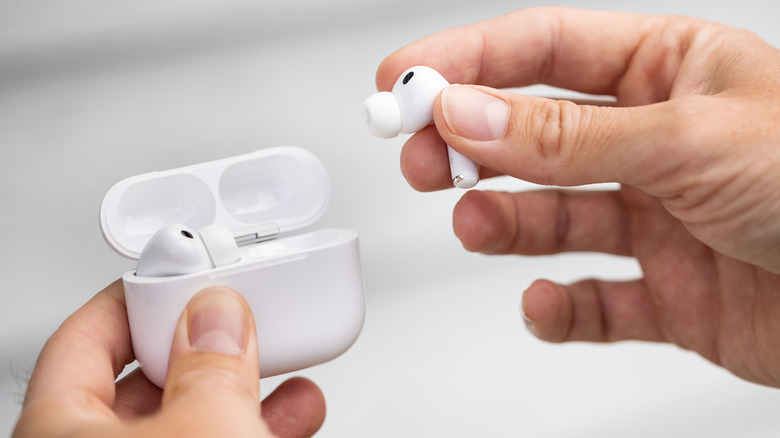
To really understand how audio can sound good while using active noise cancellation, we need to get into what it actually is. In its simplest form, ANC uses microphones built into a pair of headphones to read any sound that's happening in a listener's environment. Then it uses quiet, targeted amounts of noise that are precisely placed "out of phase" with the rest of the audio around. This cancels that audio out giving the impression of silence. This silence can be great for hearing detail and power in a mix, but as you can imagine, it can also affect some of the frequencies that are in the audio itself. This is particularly prevalent in lower-quality noise cancelling. Transparency modes can be considered the opposite of ANC. These modes use those microphones to actually amplify the sound around you, which allows you to keep an ear out for disruptions, and stay safe in busy or traffic-laden environments. This additional noise can obviously distract from the audio you're hearing, but it can also give the illusion of a more three-dimensional soundstage in the audio.
In other scenarios, the headphones are using software and equalization to mold the sound to fit alongside the ANC or transparency artifacts. In the case of premium headphones, this can actually mean that turning these settings on can actually make the audio itself better, as is often considered the case with Apple's adaptive EQ modes that activate alongside their ANC and transparency modes. We also love how this sounds on the AirPods Pro 3. At the end of the day, quality is in the ear of the listener, so try turning all these features on and off and see what you like best.