

5 Disadvantages Of Apple Music You Should Know About
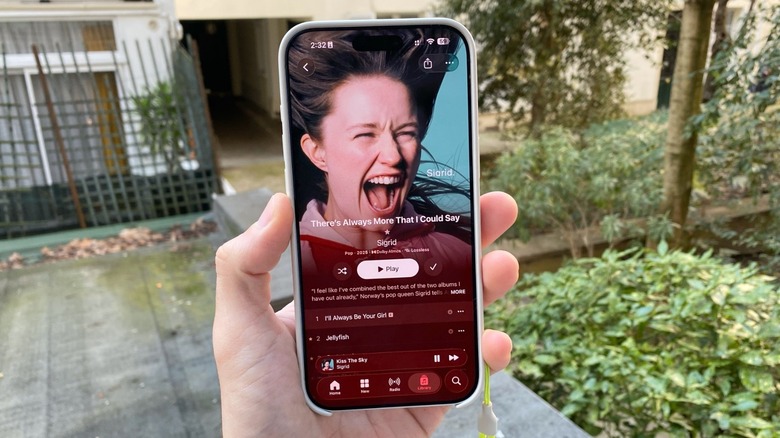
Apple Music, Apple's self-titled music streaming service, has undergone several changes over its decade of existence. As a day one subscriber, I remember all the different logos and UI interactions, every time Apple deleted all my songs from my library, and even when it tried to create a social media platform inside Apple Music, but artists were the only ones who could post. As time passed, the service greatly improved. However, it still suffers from fundamental disadvantages that Spotify and other competitors have solved or pioneered solutions to a long time ago. Among the disadvantages of being an Apple Music subscriber is that the app is very inconsistent across platforms, it lacks social functions, and, yes, Spotify Wrapped is still a lot better than Apple Music Replay.
One of the main things that keep Apple Music from being a better service is how it's tied into the different operating systems, which means Apple just doesn't add new features every week to the platform, as Spotify seems to do quite often. Subscribers need to wait anywhere from 45 days to a couple months for something new, as Apple only updates Apple Music through main software updates.
For example, iOS 26.5 didn't add anything new to Apple Music, meaning that the last time we got a meaningful update for the platform was in late-March with iOS 26.4. In the meantime, Spotify announced several AI functions, improved social features, and more. Here's what else you miss with the way Apple Music currently operates.
Inconsistent features across different platforms
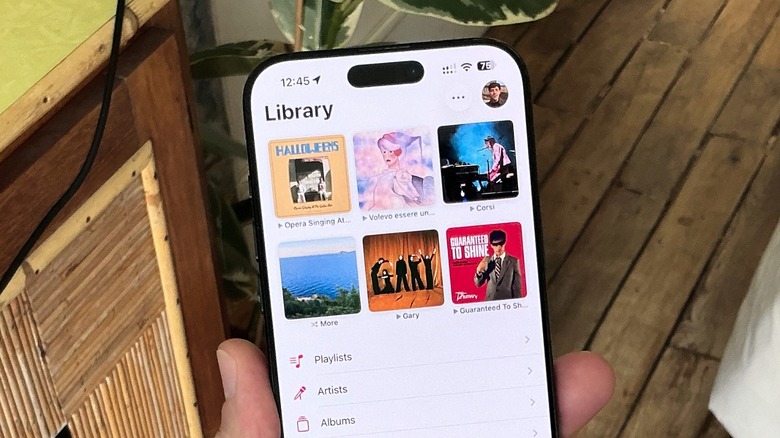
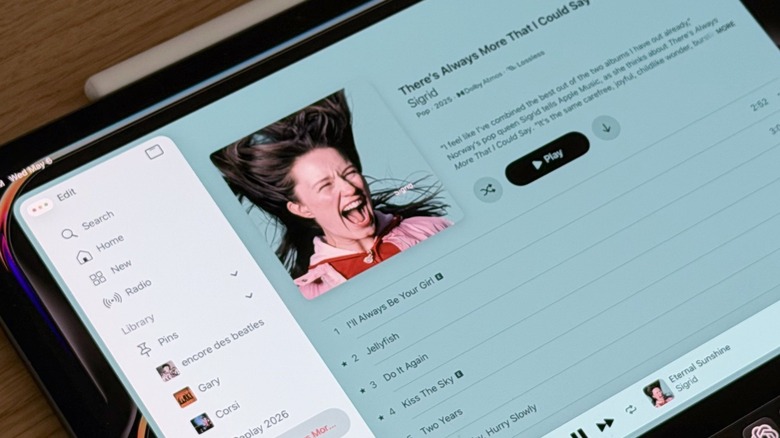
During last year's WWDC keynote, Apple had a very important reveal: It was unifying the different operating systems through a similar language, the Liquid Glass design, making everything more integrated and straightforward. Apparently, the company didn't tell this to the Apple Music team, as the experience across the different platforms is horrible.
Let's take one old example. For the longest time, Android users had support for crossfade on Apple Music, but iOS users didn't. Only iOS 17 brought this to iPhone users, even though it's always been available on Mac. Now, more recent issues can be numbered compared to iOS 26 and macOS Tahoe. iOS 26 features custom actions for pinned albums, and iOS 26.4 added a Concerts tab and a new UI tab for playlists and albums. None of these features are available on Mac.
Besides that, Mac is the only platform that offers play counts on songs, but if I compare the play counts with my All Time playlist, created by Apple, the results are very different. Long story short, these inconsistencies make me avoid Apple Music's Mac app, and even other options, like the Apple Watch or the iPad whenever I can, just because it seems Apple is only concerned with making the experience better for iPhone users. This can't be said the same about Spotify, which is a lot more consistent when users switch between iOS, Android, desktop, and web apps.
Apple Music Replay is nothing compared to Spotify Wrapped
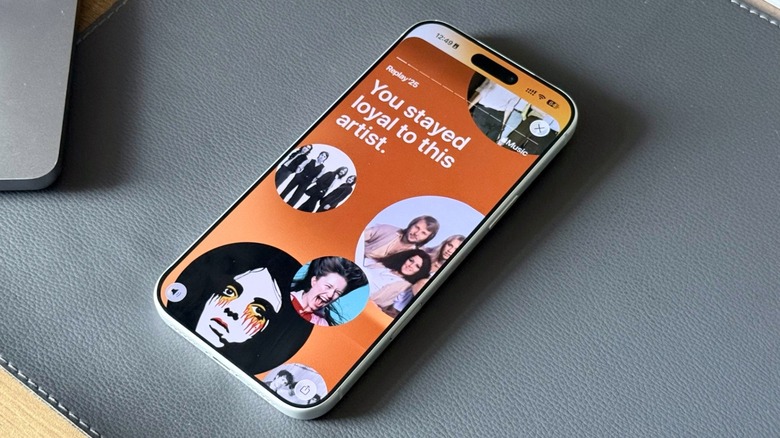
Apple Music Replay has come a long way. Over the years, Apple has improved the experience from offering monthly throwbacks to a year-long updated playlist with my 100 most listened to tunes of that year. However, can someone explain why when Spotify releases its Wrapped, all I can think about is that I wished I was using the other music streaming service instead?
The final Apple Music Replay compares the data from your current year to the previous one, including most listened to songs, artists, and albums, in addition to a detailed experience of your top artists, songs, albums, playlists, stations, and genres. However, as Apple only tweaked the experience from 2024, Spotify literally added a dozen new ways to dig deeper into the songs and artists that shaped your year.
Even though Spotify has millions of users, it was still able to make the experience very unique. Besides the usual most listened to everything, the company created a Listening Age feature, a Top Song Quiz, user comparisons to other fans of the same artist, and implemented a bigger push into podcasts and audiobooks. Spotify also created Clubs and Listening Archive experiences. The first one uses your streaming habits to put you in a club, while the second one uses AI to deliver unique reports on your daily listening. That said, I just know Spotify is preparing an even bigger Wrapped, while Apple Music probably isn't.
Lacks more sociable features
Again compared to Spotify, there are things the biggest music streaming service still does better than Apple Music. For example, you can share songs with friends inside the platform, and if you're using the desktop or web versions of the app, you can check what your friends are currently listening to. This can be incredibly interesting when there's a new big release, or if you just want to talk to a friend about something they're listening to. With Apple Music, Apple only tells which albums a friend listened to, but whether they're listening to it right now, or if it was a week ago, you can't tell.
Besides tech innovation, Apple always had a big influence on the music industry. iTunes, for example, changed how people consumed songs, but it was Spotify that made streaming services popular. Spotify quickly realized that music is a shared experience, and the more you can talk to your friends and family about it, the more interesting it gets. Apple feels like it forgot about that.
While the company had iTunes Festival events, the company little by little phased out its more shareable experiences. Even though the latest software offers the ability for users to create playlists together, join a queue, and even react to a song, none of these experiences feel as personal as the ones Spotify brings. Take the ability to match your taste with your friend on Spotify and create a unique playlist. Unfortunately, Apple Music could never.
There's no data on artist's popularity
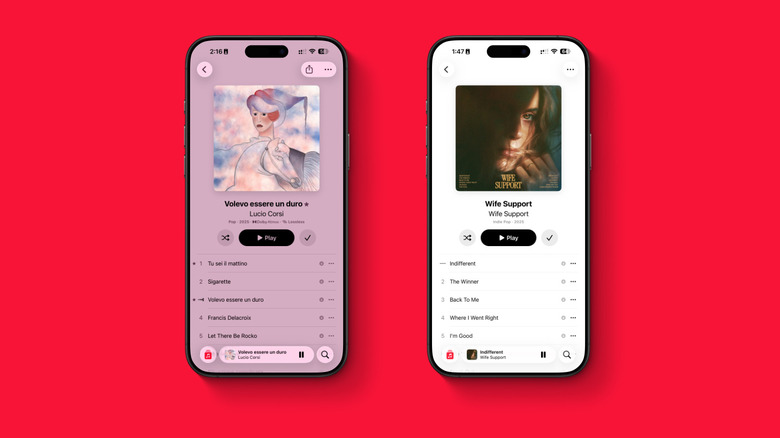
Some of the most interesting data you can get from Spotify is what the most popular songs by an artist are and just how many monthly listeners they have. Apple Music offers this information exclusively to artists, but if I could bet on the reason why it's not available on the service to all users to see is that it probably doesn't have the same big numbers as Spotify.
When the company celebrated its tenth anniversary in 2025, it released a playlist with the most played songs of all time, and Ed Sheeran's "Shape of You" was number 1. What was so interesting about this number is that we always hear how Taylor Swift keeps breaking records album after album, reaching the most listened to play counts in 24 hours, a week, a month, and so on, and on Apple Music, her most listened to song is "Cruel Summer" in position 57? I'm not saying the numbers are wrong, or that her fans are all on Spotify, but one would assume her numbers should've been better.
Spotify is always highlighting when songs hit 1, 2 or more billions of streams, but this is not something we see Apple Music doing. In other words, even though Apple Music is my preferred music streaming service, it has always felt like a party for one, while everybody who wants to have fun and enjoy music together is apparently on Spotify.
No continuity feature for improved listening experience
If you want to know Apple Music's biggest disadvantage, then I'm glad you stayed until the end of the article. If you ever used Spotify, you know about Spotify Connect, which is this continuity feature that pretty much lets your song play no matter which platform or device you're using. So if you're listening to a song on your iPhone, you can quickly switch to your Windows laptop, but then if you realize you're late for class, and you need to take the car, you can still keep your song going from where it was.
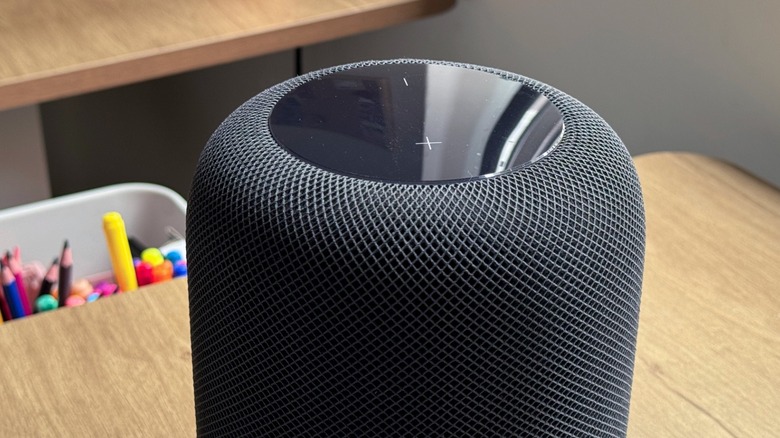
In Apple Music's case, users can perform a handoff from the iPhone to a HomePod, and tell their Mac to AirPlay a song they're listening to from their iPhone, but they can't just continue the song they're listening to on their iPhone with their iPad.
Apple never addressed the lack of this continuity feature, which is also available on other streaming platforms, and so far it's unclear if the company is planning to add this frequently-requested feature by users. For now, if you're constantly moving between devices and operating systems, then you need to manually tap what you want to listen to, as it doesn't sync your search history or remember what you played on a different device. With iOS 27 just around the corner, subscribers can only hope that Apple is ready to address these and other lacking features in Apple Music.