

3 Unexpected Uses For Nuclear Energy (Other Than Electricity)
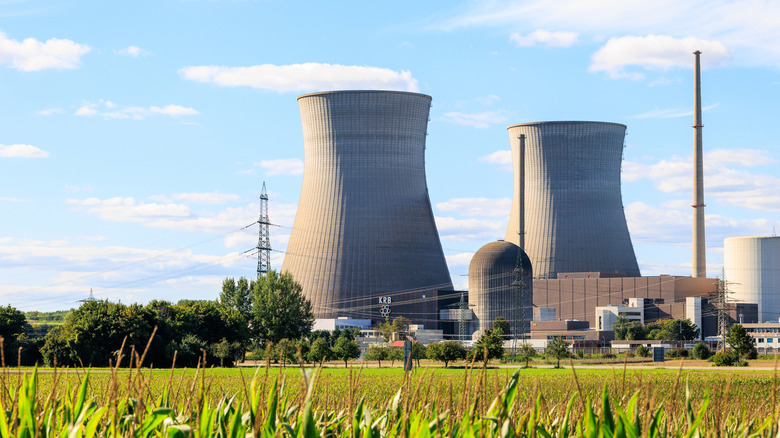
The debates surrounding nuclear energy are, if you'll pardon the pun, heated. Numerous scientists and engineers support nuclear power as a clean energy source, but a history of disasters like the Chernobyl and Fukushima Daiichi meltdowns has shrouded nuclear energy in a cloud of fear. Nuclear power has unique potential, but in order for people to get behind it, knowledge and enthusiasm are key to breaking through preconceived fears. The truth is, most news paints a very narrow picture of nuclear energy and its purposes, focusing mainly on the potential for electrical output, though that is only one application of an incredibly powerful technology. To understand why nuclear energy has so much appeal to scientists and engineers, you need to understand that the applications go beyond electricity alone, including industrial heating, producing other energy resources, and even turning seawater drinkable.
Nuclear power does have immense potential for generating electricity, but power plants are only capable of converting around one-third of the energy they produce into electricity. The remaining two-thirds can be used for many other uses that don't get as much attention because they primarily occur in industrial settings that the average person isn't privy to. Pull back the curtain, and you'll see that nuclear energy already plays a bigger role in everyday life than you probably imagined. It's best to get familiar with these applications now because a new generation of nuclear energy is coming, and it could soon be powering your home, your car, and who knows what else.
Seawater Desalinization

Perhaps the most impactful use of nuclear power is seawater desalinization. According to UNICEF, an estimated two-thirds of the global population faces water scarcity for at least a full month each year, and that crisis is getting worse due to climate change. Hundreds of millions of people are being displaced because they have lost access to drinking water. If nuclear power could turn back that trend, even a little, it could cement its value.
As it stands, more than 97% of the water on Earth is saline, contained within the vast oceans. Desalinization is the process of removing salt and other non-potable minerals from water. It's the only way to make seawater drinkable. Desalinization involves both filtration (forcing sea water through a series of filter membranes) as well as distillation (vaporizing and recondensing the water to remove even more impurities), and these processes demand a lot of energy. The pumps that push the sea water through the filter systems require mechanical energy, and the distillation process requires heat.
Current desalination plants mostly rely on fossil fuels to generate the power they need, which adds significantly to the climate change crisis (ironically making the water scarcity crisis worse in the long run). Diverting the excess heat created by nuclear power plants to desalinization plants would make the process carbon-free while at the same time reducing energy waste. Nuclear desalination plants are already used in the world's most populous country of India, and could find their way to the U.S. before long.
Sea Vessel Fuel

Nuclear power can also replace carbon-based energy sources as a fuel for vehicles, but not just any kind of vehicle. It is specifically used today for propelling military sea vessels. The United States Navy pioneered this technology, creating the world's first nuclear-powered submarine, the USS Nautilus, in 1955. It subsequently became the first submarine to ever journey under the North Pole, setting a strong precedent for success. Today, the Navy's entire submarine force runs on nuclear power, as does every aircraft carrier in the fleet.
The reason nuclear power holds so much appeal to the Navy is that conventional fossil fuels burn up quickly, placing heavy limits on the amount of time a ship can spend at sea. Nuclear-powered submarines and aircraft carriers, on the other hand, can run as long as 20 years without ever needing to refuel. They do this by housing small nuclear reactors onboard each of the vessels, which work like larger nuclear power plants by splitting atoms and using the resultant heat to power steam turbines. The reactors are shielded to protect the crew from radiation, and there are tight regulations on their use and disposal.
The success of nuclear power as a fuel for sea vessels has naturally gotten scientists and engineers curious about applying the technology to other modes of transport. NASA has a proposal on the table to use nuclear power for a journey to Mars, and there may even be potential to harness nuclear power in electric cars.
Hydrogen Production
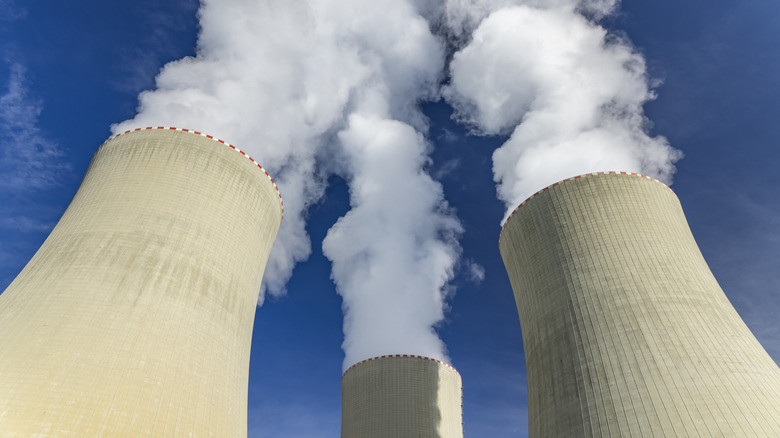
Hydrogen is considered a promising source of clean energy because the only waste it leaves behind is water. Unfortunately, our current methods of obtaining hydrogen fuel produce such extreme greenhouse gas emissions that the point is all but rendered moot. Despite being the most abundant element in the universe, hydrogen is difficult to obtain in its pure form, and the most widely used method currently is something called steam-methane reforming. This process combines methane (CH4) from natural gas with ultra-high temperature steam — about 1,300 degrees Fahrenheit — to trigger a chemical reaction that isolates hydrogen. But frighteningly, the steam-methane reforming process industry generates about 830 million metric tonnes of CO2 each year, equivalent to the emissions of the entire nation of Iran in 2024 (per World Population Review).
Nuclear energy could provide a carbon-free alternative to current hydrogen production methods. The heat produced by nuclear power plants could be harnessed for steam-methane reforming, reducing the reliance on fossil fuels. An even more exciting approach, currently in research and development, is producing hydrogen from water using nuclear heat. This would require harnessing extraordinarily high temperatures from nuclear reactors (up to 1,000 degrees Celsius, or 1,832 degrees Fahrenheit) to split water molecules into separate hydrogen and oxygen atoms. The only waste left behind from this process would be residual water. This technology is still in development, but with the global demand for hydrogen on the rise, this could eventually become one of nuclear power's most important applications.