

IBM Might Be The First To Commercialize Quantum Computing, But At What Cost?
Quantum computers are hailed as the next big leap in computing. The technology uses quantum physics to speed up computation. Heck, quantum physics could let us send messages back in time. The only problem is how to build a commercial device capable of channeling the power of quantum physics. IBM thinks it has a solution — so long as it has the time and money to fund the process.
Recently, IBM filed a request to the United States Securities and Exchange Commission regarding its plans for quantum computing research. According to the document, IBM plans to invest over $10 billion to commercialize quantum computing. This money will go towards research and development, capital expenditures, ecosystem partnerships, scalable manufacturing, and potential mergers and acquisitions.
According to IBM's projections, development will take five years, and the corporation is confident it can create the world's first "large-scale fault-tolerant quantum computer" in or by 2029. Technically speaking, this wouldn't be IBM's first quantum rodeo, as the company claims it has "deployed over 90 quantum systems" to date. Moreover, IBM has developed relationships with over 300 companies, universities, and government agencies, all of which allegedly use IBM's existing quantum computers. The only question is who will get their hands on IBM's first large-scale commercial quantum computer when it's ready for testing.
IBM plans to augment its research with a manufacturing plant
On one hand, IBM's plans are noteworthy in and of themselves. After all, breakthroughs in quantum computing could affect how much they cost, and we could all use cheaper PCs now that AI data centers have driven up numerous gadget prices. But the timing of IBM's announcement transforms it into a potential one-two punch.
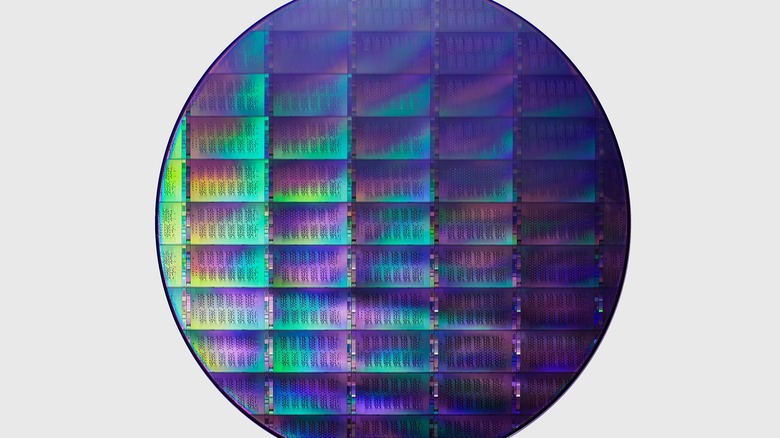
In May of 2026, the National Institute of Standards and Technology awarded IBM $1 billion in CHIPS incentives. The purpose of this gift was to help the company build its own quantum chip foundry on American soil, as well as the research and development that comes with such an endeavor. This plant and its associated functions will fall under the umbrella of a new IBM subsidiary dubbed Anderon. Also, we must mention that IBM plans to use $1 billion from its own pocket to help fund Anderon.
While Anderon and its associated costs are separate from quantum computing research and its investments, the projects are still inextricably linked, as IBM believes both are required to help the company provide "secure U.S. quantum manufacturing capability" and "spur American economic growth while also bolstering national security." While IBM won't have a working quantum computer until 2029, the company believes that its research and the quantum chip factory will achieve a net worth of $850 billion by 2040.