

DNA Study Reveals That Space Permanently Changes The Human Body
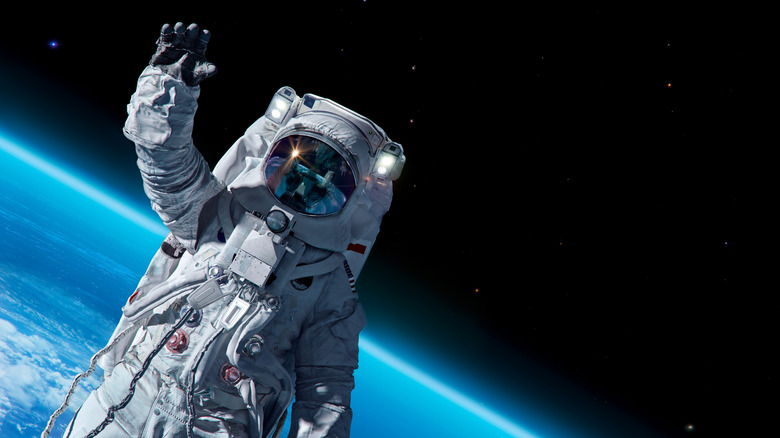
Space is full of mystery, both in the cosmos and back home on Earth and we're constantly trying to solve those mysteries with technology such as the powerful Hubble Space Telescope. We've been sending space probes such as Voyager 1 and rockets with astronauts into space for decades, but an experiment involving twins revealed how space can permanently change the human body.
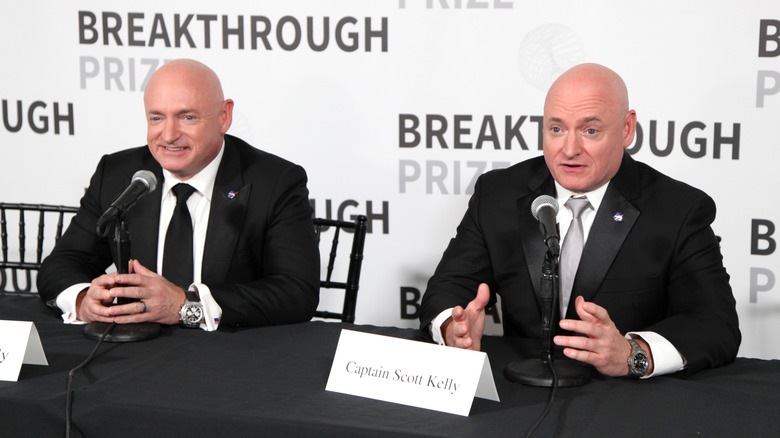
Astronaut Scott Kelly recommended he and his identical twin brother (and fellow astronaut), Mark, be test subjects for NASA. The year-long study took place between March 27, 2015, and March 2, 2016, the results of which were published in 2019. Scott traveled to the International Space Station while Mark remained on Earth throughout the 340-day mission. NASA monitored and collected data from both men throughout the study.
It revealed that though Scott's overall health was good, he grew taller, lost muscle — a health problem astronauts have to worry about in space — and aged slower than his twin. The differences between both men were subtle, but inspired headlines claiming Scott's DNA had changed. The age gap between Scott and his brother changed by five milliseconds. Around 7% of Scott's gene expression – how his genes were being used — had changed even six months after landing.
Details of this astronomical twin study
Through studying the effects space travel had on Scott, the research team found changes at both the physiological and molecular levels. These included shifts in gene expression, immune system activity, telomere length, and mental performance. While Scott and Mark remained genetically identical twins, long-duration spaceflight was associated with changes in how certain genes were expressed between the two men. Many of these changes returned to normal after Scott arrived back Earth, however the researchers identified 811 genes across multiple cell types that had not yet returned to preflight levels even six months later. Many of these genes were linked to immune function and DNA repair.
The study also examined Scott and Mark's chromosomes, specifically their telomeres, which are the protective endcaps on chromosomes associated with aging. The research team found that Scott's telomeres lengthened during his time in space before shortening again after his return to Earth. Studies have shown that telomeres shorten as people age, but longer telomeres have been reported to show signs of aging more slowly. Scientists in the study noted the finding was unexpected and that the long-term significance of these changes remains unclear. Studying how and why this happened to Scott can help NASA plan the future of space exploration.
What does this mean for the future of space travel?
Researchers noted Scott's cognitive skills related to accuracy and speed decreased and remained that way even after returning. Reports indicate that extended telomeres and signs of reduced cognitive skills are common side effects seen in astronauts. The study does reveal possible changes astronauts can expect to see. It hints that new safety measures may be required to be put in place for longer missions in space. The research highlights the importance of having safeguards that better protect astronauts to ensure they are healthy and secure during spaceflight.
It's important to note that this study was the first of its kind to focus on twins. NASA and scientists would need to perform additional studies on more subjects to know for sure if the results are generalizable to a wider range of people or they are a one-off unique to Scott's physiology. The study emphasized that these or similar changes would need to also be looked for in other astronauts. The study can help NASA scientists prepare for future missions and challenges, like the bad news about what could happen to humans born in space.