

Why Did Apple Stop Using Stainless Steel For iPhones?
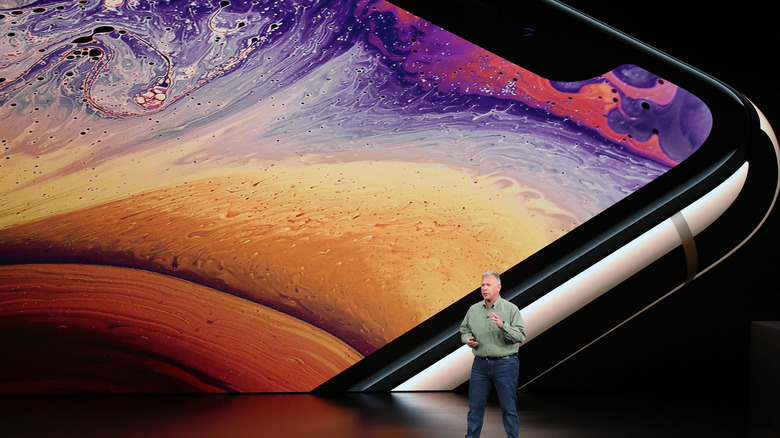
When Apple introduced the iPhone 15 in 2023, the company ditched the stainless steel material it had used for its cases since the launch of the iPhone X series in 2017 in favor of titanium. While Apple didn't directly address the reason it stopped making iPhones with stainless steel frames, the press release for the iPhone 15 Pro models gave a pretty clear indication. According to that statement, the "aerospace-grade titanium [is] strong yet lightweight to deliver Apple's lightest Pro models ever." Clearly, weight was a major concern in 2023, as the iPhone Pro models were getting heavier with each generation.
Stainless steel was a big part of Apple's all-screen iPhone X design, with durability being a priority at the time. Apple explained the material choice for the frame at the time by touting the durability of the glass on the front and back and the strong stainless steel band that wrapped around the device to provide extra reinforcement. Apple did make a change to the iPhone design three years later, replacing the curved edges of the iPhone X with flat sides that reminded users of the iPhone 4 models. Apple described that move as being motivated mostly by a desire to improve aesthetics. More recently, Apple moved on from titanium with the release of iPhone 17 Pro models, unveiled in September 2025. This time, Apple prioritized cooling with its latest iPhone designs, choosing aluminum for the brand new iPhone 17 Pro chassis, which features a built-in vapor chamber.
How heavy were the stainless steel iPhones?
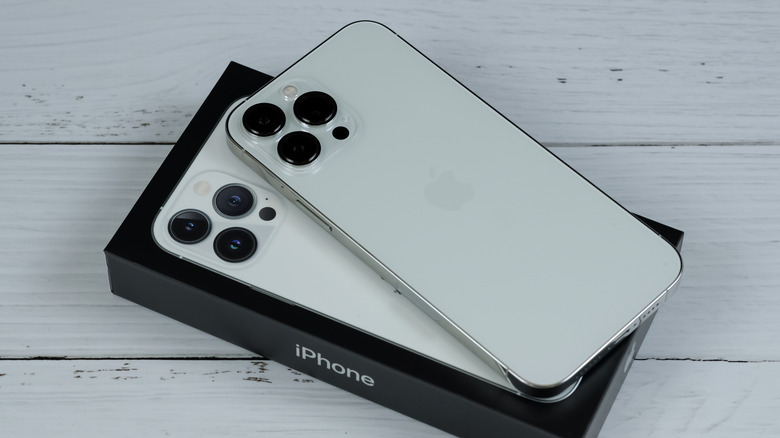
The 5.8-inch iPhone X weighed 6.14 ounces, compared to 5.22 ounces for the iPhone 8 released the same year. The Pro models grew larger by 2020, with the 6.1-inch iPhone 12 Pro and 6.7-inch iPhone 12 Pro Max weighing 6.6 ounces and 8.03 ounces, respectively. The aluminum iPhone 12 mini and iPhone 12 were significantly lighter, at 4.76 ounces and 5.78 ounces. The iPhone 13 Pro and iPhone 14 Pro were even heavier, at 7.20 ounces and 5.78 ounces, respectively. The Pro Max versions of those models weighed the same, at 8.47 ounces.
By the iPhone 14 series, Apple had replaced the iPhone mini model with the iPhone Plus version. The standard iPhone 14 weighed 6.07 ounces, and the 6.7-inch iPhone 14 Plus reached 7.16 ounces. These figures show how much heavier the Pro models were compared to the aluminum non-Pro models. A heavier device is more difficult to use because it can feel tiring during extended use. That's why the switch to titanium, and then aluminum, was a key development for iPhone design.
The titanium iPhone 15 Pro models were significantly lighter, weighing 6.6 ounces and 7.81 ounces in 2023. These figures were much closer to the non-Pro models than before, with the standard iPhone 15 and iPhone 15 Plus weighing 6.02 ounces and 7.09 ounces. In 2024, the iPhone 16 series brought slight weight increases for the 6.3-inch iPhone 16 Pro (7.03 ounces) and 6.9-inch iPhone 16 Pro Max (7.81 ounces), as Apple increased the size of the handsets compared to their predecessors. The larger phones also featured slightly larger batteries. The iPhone 16 (6.00 ounces) and iPhone 16 Plus (7.03 ounces) were in line with their predecessors.
Will Apple return to stainless steel?
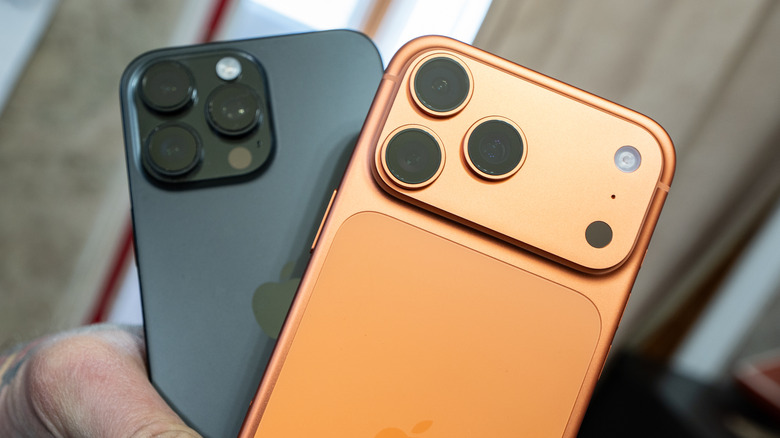
The switch from titanium to aluminum delivered another round of weight gains. The iPhone 17 Pro and iPhone 17 Pro Max weigh 7.27 ounces and 8.22 ounces, respectively. The standard iPhone 17 model is lighter, at 6.24 ounces, but the lightest member of Apple's 2025 iPhone family is the ultra-thin iPhone Air (5.82 ounces), which is much thinner than other models. Also, the iPhone Air is the only iPhone in Apple's 2025 lineup to feature a titanium frame.
Apple also stopped making stainless steel watches with the Apple Watch Series 10 released in 2024. The company explained at the time that the titanium Series 10 models were almost 20% lighter than the Series 9 models that featured stainless steel cases. Apple didn't compromise on durability in the process of replacing stainless steel with other materials, though some iPhone 17 Pro users complained that aluminum is prone to scratches and dents when dropped, even with a case.
That said, Apple isn't likely to return to stainless steel iPhone designs in the foreseeable future. Instead, Apple seems likely to use aluminum in future iPhone Pro models as it continues to pursue lighter weights and better cooling. Thinner future iPhone models, like the rumored iPhone Air 2 and the foldable iPhone, may feature titanium frames to improve durability, but these design choices aren't confirmed. The only stainless steel products that Apple still sells are watchbands for the Apple Watch, including the Milanese Loop and the Link Bracelet. Separately, the AirTag battery cover is made of stainless steel, but this is a scenario where durability may trump any weight concerns.