

Why Did Apple Stop Using Titanium For iPhones?
In September 2023, when Apple unveiled the iPhone 15 Pro and iPhone 15 Pro Max, its first smartphones featuring a titanium frame, the company turned the metal choice into a big marketing tool. The "strong and lightweight titanium design" was the first thing Apple mentioned in the press release, explaining that titanium made it possible to create the "lightest Pro models ever." Two years later, Apple dropped titanium from the iPhone 17 Pro and iPhone 17 Pro Max, without addressing the change publicly. Apple never had to explain why it abandoned titanium, because, technically, the company still used the material in the iPhone 17 series: The iPhone Air features a titanium frame, similar to the iPhone 15 Pro and iPhone 16 Pro models. But even then, Apple didn't need to say why it stopped using titanium for the iPhone 17 Pro models, considering how it explained the design these handsets introduced.
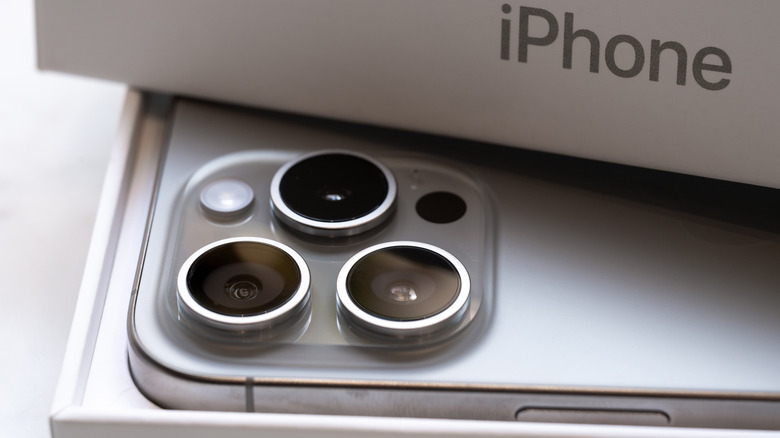
It's important to remember one other thing the iPhone 15 Pro models were known for: They featured the A17 Pro chip, which brought support for high-end gaming to the iPhone. But early buyers quickly discovered that the Pro handsets could overheat. Apple fixed the issue with a software update. A year later, the iPhone 16 Pro models were expected to feature an improved cooling system. Apple did not introduce a vapor chamber in 2024, a component that was already available on Android flagships, but it improved heat dissipation while maintaining the titanium frame.
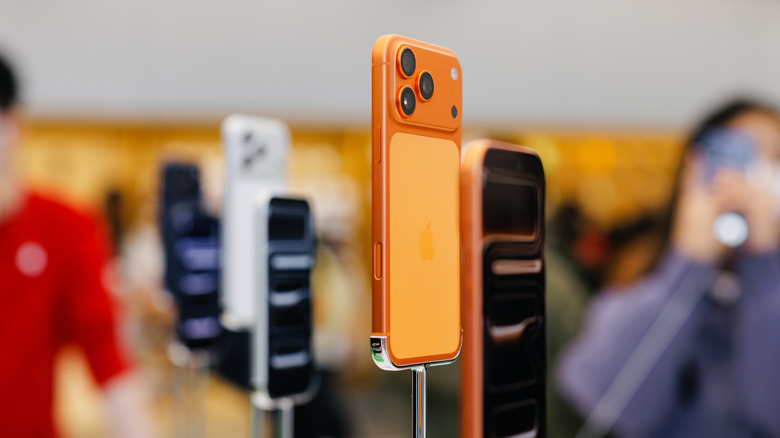
That cooling addition came in September 2025, when Apple introduced the redesigned iPhone 17 Pro models. These featured an aluminum chassis that curved toward the back of the handset, covering an enlarged camera module and wrapping around the other three edges.
Why Apple needed aluminum
The "all-new design" of the iPhone 17 Pro models was the main marketing point in Apple's announcement. Apple also addressed the vapor chamber component early in the press release: "Built with an Apple-designed vapor chamber that is laser-welded into a strong, light, and thermally conductive aluminum unibody, [the] iPhone 17 Pro and iPhone 17 Pro Max deliver Apple's best-ever performance and an enormous leap in battery life." That phrase helped Apple explain why it needed aluminum, without ever mentioning titanium. Aluminum is a strong material, and that's a point Apple makes later in the press release. Importantly, the 7000-series aluminum alloy Apple used delivers "the best-ever thermal performance in an iPhone," according to Apple.
The implication is that titanium alone could not offer the same thermal benefits. The iPhone 15 Pro models did not feature a full frame made of titanium. The internal metal structure was made of aluminum, with titanium wrapping it on the exterior. The iPhone 17 Pro design features an aluminum unibody that includes the vapor chamber, which is "laser-welded" into the chassis, according to Apple. Cooling is the main benefit of using aluminum, with Apple explaining that heat dissipates through the aluminum chassis. Apple emphasized the performance advantages of the vapor chamber in the press release, saying that the cooling component can help the A19 Pro achieve 40% better sustained performance than the A18 Pro, which allows the iPhone 17 Pro models to offer several high-end experiences, including gaming, video editing, and running AI models on the device.
Will Apple return to titanium?
Manufacturing the same unibody structure out of titanium would have been more expensive. It's not only the cost of sourcing titanium. It's cheaper to machine aluminum parts like the iPhone 17 Pro chassis than titanium parts. The aluminum chassis design allowed Apple to increase the size of the camera module, which houses other components in addition to the cameras. This design choice freed up space in the lower side of the handset, which can house larger batteries than before. Other benefits from choosing aluminum include an improved antenna system, which is integrated into the perimeter of the handset, and support for more vivid finishes. The iPhone 17 Pro models come in a Cosmic Orange option that's been well-received by consumers. The titanium handsets didn't offer Apple a similar choice when it comes to vivid colors.
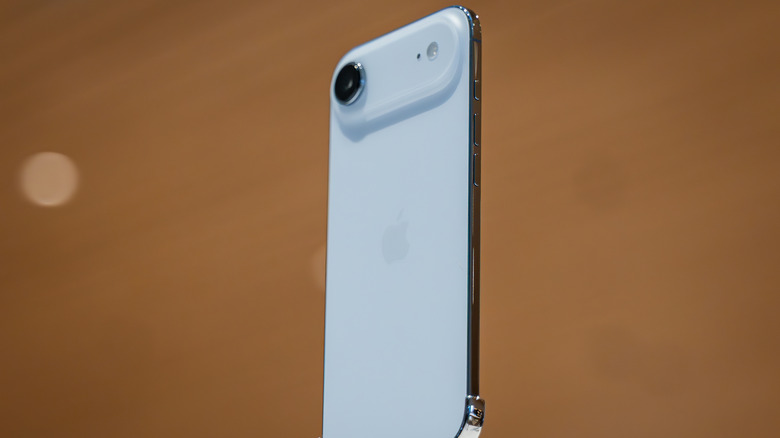
All these considerations suggest Apple may be done with titanium, at least on the Pro models, where performance and cooling are a priority. However, the iPhone Air features a "breakthrough titanium design that is elegant and light yet strong," according to Apple's press release in September 2025. The iPhone Air also features the A19 Pro chip, but the priority here seems to be durability. The iPhone Air is Apple's thinnest iPhone, featuring a 5.6 mm profile. The titanium frame ensures the device won't bend during use, a test the iPhone Air passed without issues soon after launch. The iPhone Fold, rumored to launch in September 2026, will also have a thin profile, and some reports claim the device will feature a titanium frame. The handset's hinge, or parts of it, may be made from titanium as well.