

3 Everyday Tech Items You Might Have To Oil Soon
When you think of household items and fixtures that might require some extra lubrication from time to time, your mind likely heads in the direction of door jambs, hinges, and similar targets for oiling. However, it's important to understand that some tech items also benefit from the occasional addition of a lubricant. Knowing which everyday tech items you should be oiling can help you keep devices and appliances in optimal shape for the long haul.
Of course, it's also vital to research the proper method for oiling these items. You should familiarize yourself with what types of lubricants are safe to use, how often you should be applying oil to different tech items, and how you can do so without the risk of accidentally damaging them. Some companies offer lubricants designed specifically for use on electronics, so you can research your options and determine which type of oil is ideal for your needs.
Some PC fans benefit from lubrication
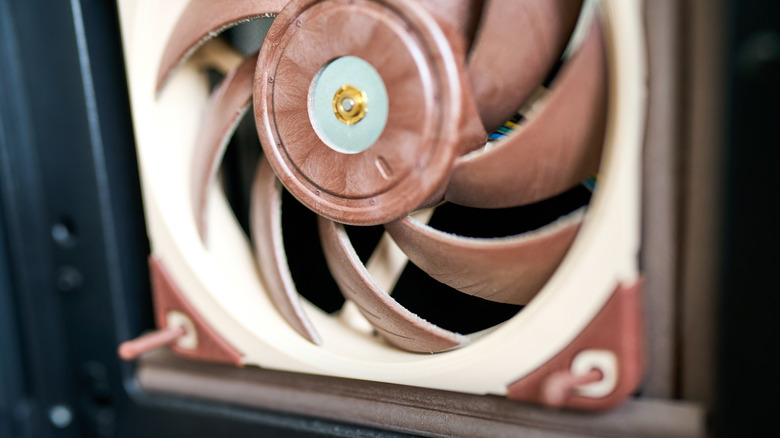
You might not have known it, but PC fans sometimes include an oil well specifically meant to contain a small amount of lubricant. That's because a PC fan is naturally a moving part. As with many types of moving components inside of complex machines, proper lubrication can ensure that it performs at peak efficiency.
The proper way to oil a PC fan will vary depending on the exact type of fan you're working with. For example, the method for adding oil to a ball-bearing PC fan may differ from that of a sleeve-bearing fan. Similarly, some PC fans feature sealed designs and aren't meant to be topped off with oil at all. So again, it's smart to conduct thorough research to ensure you're approaching this task correctly.
Oiling a PC fan with an otherwise dry lubrication well can improve the effectiveness of the fan. It can also boost its lifespan. This highlights how staying on top of oiling certain tech items can save you a lot of money in the long run. By keeping these components lubricated, you'll guard against having to replace them sooner rather than later.
Turntable components may require lubrication
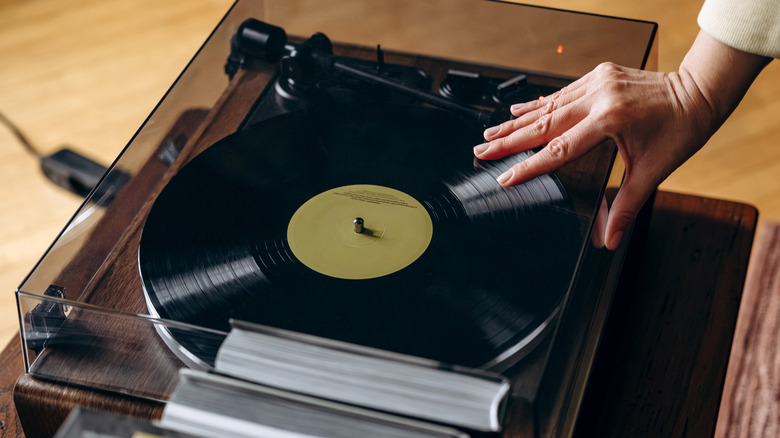
PC fans and turntables for vinyl records (yes, there's a difference between turntables and record players) may serve very different purposes. Regardless, they share a common quality: Both of them spin. As such, like a PC fan, certain components of a vinyl turntable might require occasional lubrication. Signs that it's time to lubricate turntable parts include strange noises from the motor and uneven platter spinning.
Different turntable models require different types of maintenance. Some allow for lubrication of the motor, while others don't. Before attempting to oil a motor, consult the owner's manual and consider reaching out to the manufacturer for more information. Some turntable manufacturers even offer their own oils that are safe to use for this purpose.
The bearing system is another component of a turntable that you can often lubricate. Keeping the bearing properly lubricated will allow for consistent platter rotation. Generally, though, you should aim to use a conservative amount of oil when lubricating any components of a turntable. Adding too much oil to a component can attract dust, which may harm a turntable over time.
3D printers feature various moving components that may need oiling
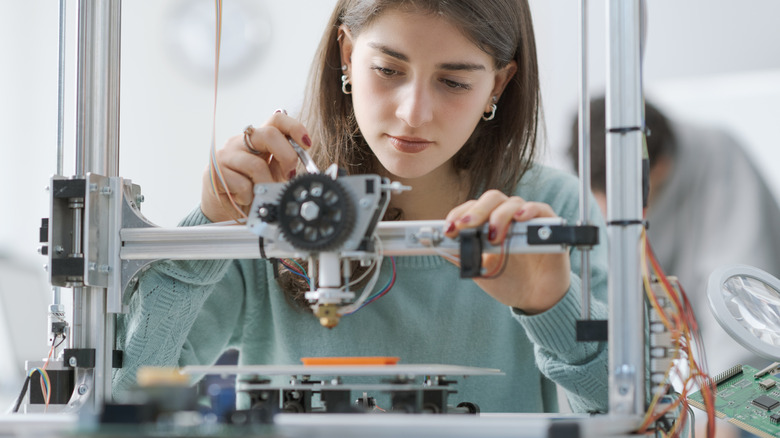
A 3D printer features a lot of moving parts. Ensuring the machine remains in good working order requires cleaning and oiling your 3D printer's parts. Unlike other items here, which may only require oiling on an as-needed basis, if you use your 3D printer fairly often, it's good to get into the habit of oiling its components about once a month.
The benefits of keeping a 3D printer's moving parts lubricated are numerous. As with the other items on this list, oiling a 3D printer's parts will improve performance and allow the machine to continue running reliably. By preventing wear of key parts, oiling a 3D printer can extend the lifespan of those parts. There's also reason to believe that the steady and consistent movements that result from regularly lubricating a 3D printer will result in finished products that look more impressive than what you might create with a 3D printer that hasn't been oiled.
A 3D printer is also an example of a more niche tech item that might benefit from regular oiling. A similar (if much smaller) example would be a mechanical keyboard. The point is, this is by no means an exhaustive list. If you own a device, machine, or other piece of tech with moving parts, it's possible those parts will need to be oiled from time to time. Researching proper methods and tools for doing so (and actually applying what you learn) will help you get the most out of your electronics.