

How Long Do Owners Say USB-C Cables Usually Last?
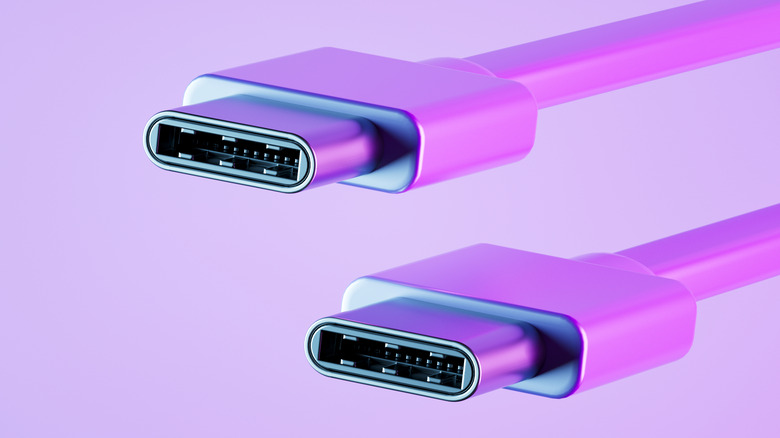
USB-C cables are the proverbial glue keeping a variety of modern tech together, with nearly all of our devices now using USB-C ports. They charge your phone, connect accessories to your PC, and much more. Of course, their ability to do all that is contingent on the cords being whole and functional, and unfortunately, they will almost certainly wear out after a while. As for how long that takes, it varies widely, especially depending on your usage. But based on some owner opinions, USB-C cables can start to fail after a year of use.
Given their ubiquity in our lives, USB-C cables are subjected to a lot of punishment on a regular basis, getting bent, jabbed, twisted, and just generally enduring the passage of time. Users generally agree that higher-quality cables made of thicker, braided materials last longer, and there are some good habits you can employ to improve longevity, but all USB-C cables still fail eventually. If you've been using the same cable for at least a year, and it's starting to exhibit some unusual qualities, it might be time for a replacement.
Estimates vary, but cables often last one or two years
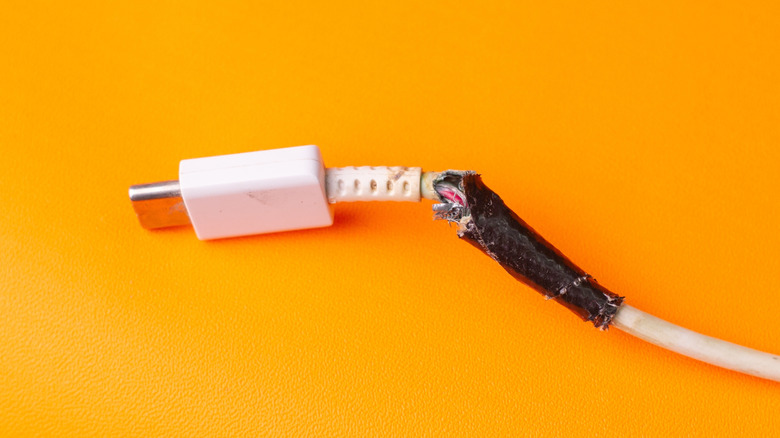
USB-C cable manufacturers avoid advertising how long they last, at least in terms of basic timeframes. Anker, for example, says that its braided, two-sided USB-C cable has been internally tested for more than 30,000 bends. Given that these cords are almost constantly bending, that doesn't really tell you much. If you were to ask the users of the r/BuyItForLife subreddit, lifespans for USB-C cables are around one year, two years tops.
These users complain that their USB-C cables suffer from spotty connections or connection failures, reduced charging efficacy, and physical damage like fraying on the cable rubber. Sometimes after just a few weeks of use. Responses to these posters, however, do note that this could be a matter of usage versus quality, as some owners note they've been using the same USB-C cords for several years without issue. There are various factors that impact a USB-C cord's lifespan, including the quality of the cable itself, how the user is treating it, how it's being stored when not in use, and whether or not it's being cleaned regularly.
Measures you can take to improve cable longevity
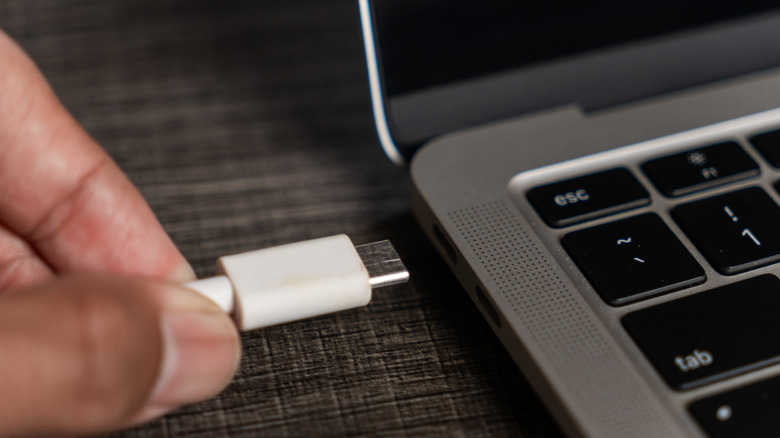
As those Redditors point out, if your USB-C cables seem to be failing after only a couple of weeks or months of usage, that's outside of the norm. Even cheap cords should last longer than that, though using high-quality USB-C cables that charge faster than others helps. If you want to maximize the life and function of your cords, part of the responsibility is on you. Even with Anker's claim of a 30,000-bend lifespan, all that movement can be quickly exhausted if you're bending and twisting the cords constantly.
Grabbing the connector, rather than the cable itself, when unplugging helps it last longer, and inserting the metal tip straight into the port puts less stress on the USB connector. You might also consider a flexible guard to protect the cord, which is a truly useful 3D printing project for USB gadgets. When the cable is not in use, coil it loosely in a large loop to prevent tangling and stressing the internals. If you really want to go the extra mile, consider a monthly cleaning for your cables' connectors with cotton swabs and alcohol to remove accumulated dust and crud.