

China Has So Many Humanoid Robots, It Had To Create A Unique ID System
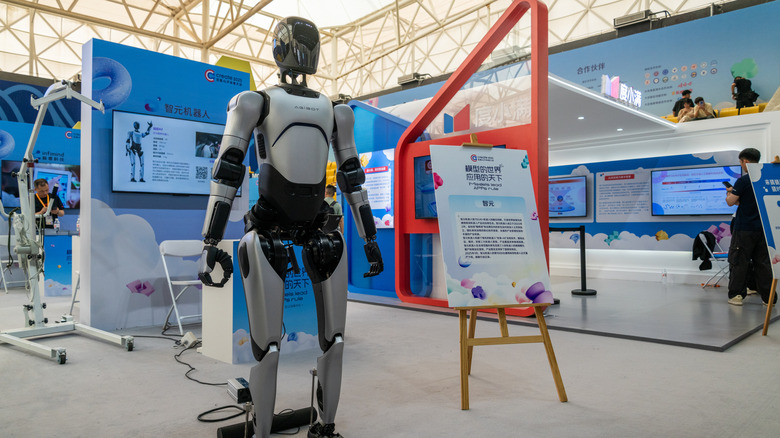
Humanoid robots aren't particularly common in the United States as of yet, but over in China, they've seen a remarkably fast and widespread rate of adoption, with over 100 manufacturers in business and around 28,000 assorted units currently in operation. Chinese robots have made some impressive strides recently, including the literal example of a robot beating the world's half-marathon record, and companies like Nvidia are partnering with Chinese manufacturers to create "physical AI" robots. There are now so many robots in circulation that China's Ministry of Industry and Information Technology has started a new effort to keep track of them with a unique ID code system.
This new system, which has been delegated to the Humanoid Robotics and Embodied Intelligence Standardization (HEIS) committee, will assign all humanoid robots currently functioning in China a wholly unique identification number. With these numbers, Chinese manufacturers and authorities will be able to track a humanoid robot's entire lifespan, from the moment it rolls off the assembly line to the moment it's recycled for parts. This, in turn, will make it easier to trace a robot's usage and movements and monitor for any risks, which will help to establish a baseline of regulation for this quickly emerging business sector.
The ID numbers ensure every robot can be traced for risk-monitoring
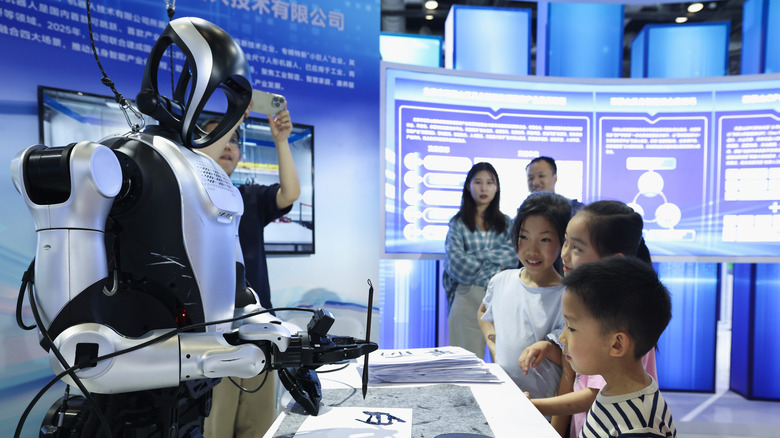
The ID code initiative, formally titled the "Humanoid Full Lifecycle Management Service Platform," assigns codes to every robot currently operating in China. They consist of four sections of digits, with 29 digits in total. The first two digits are a country code used for cross-border shipments and sales. The next four digits contain the record of the company that originally manufactured it. The following six digits denote the precise make and model of the robot, and the final seventeen digits serve as a unit's completely unique serial number, the primary element that differentiates two otherwise identical units from each other. These ID numbers and their related guidance are being implemented at all stages of the humanoid robot sector, from manufacturers to sellers, service providers, recycling plants, and end users.
While the humanoid robot market in China is accelerating at an impressive rate, including the sale of these robots to the United States market, the sector is still very much in its formative stages. Implementing these regulations now before the sector really takes off will help to ensure a system of guidance and oversight. In the event that a particular robot goes haywire and causes an incident, for instance, that ID code will help authorities identify any responsible parties and hold them accountable. With firm regulations in place, the humanoid robot sector will be able to continue its rapid pace of development with less concern for the technology and infrastructure outpacing oversight and safety requirements. This could serve as an attractive blueprint for other robotics industries around the world, as well as similar emerging technologies like generative AI.