

The FCC Ban Impacts Another Budget-Friendly 4K Drone (For Now)
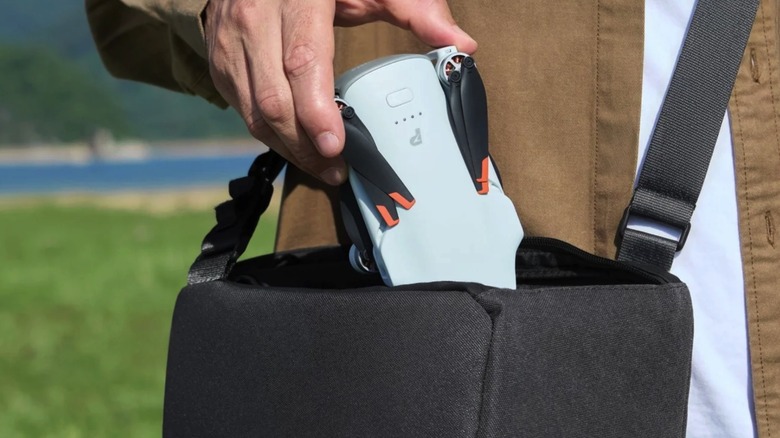
Drone enthusiasts in the U.S. may have looking forward to the Potensic Atom 3 for its small size and affordable price, but just like drones made by DJI, devices from China-based Potensic have also been banned by the Federal Communications Commission (FCC). The ban is the result of the FCC's Covered List, and it applies to the sale of all foreign-made Uncrewed Aircraft Systems (UAS) — drones — in the U.S. The FCC ban applies to new products, rather than existing drone models that were previously certified for U.S. sales before the December 2025 decision, and that includes Potensic's new Atom 3 drone.
But there may be a sliver of hope for the Potensic Atom 3 after all. The company told PCMag that it's pursuing FCC certification for the Atom 3 despite the ban, and that it's "optimistic" about the future. In its initial decision, the FCC stated that foreign-made UAS devices and critical parts posed "an unacceptable risk to the national security of the United States or the security and safety of United States persons," but it also left the door open for some products to be allowed if they don't pose such a threat, as determined by the U.S. Department of War or U.S. Department of Homeland Security. The article went on to say that the FCC has yet to approve any banned drones, though.
What the Atom 3 has to offer
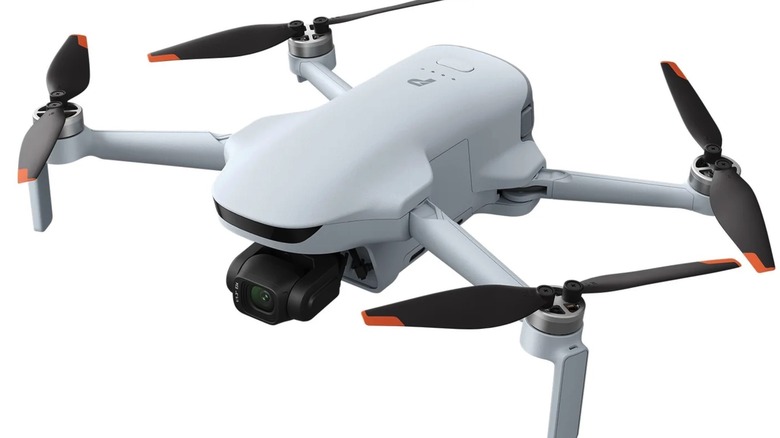
The entry-level version of the Potensic Atom 3 uses a lower-capacity battery and weighs 249 grams. This is important because the Federal Aviation Administration (FAA) classifies drones weighing under 250 grams (0.55 pounds) as recreational flying devices, so users don't need to register the drone as long as its total weight (including accessories) doesn't exceed this limit. That means the Atom 3 could be used without registration if it weren't for the FCC ban.
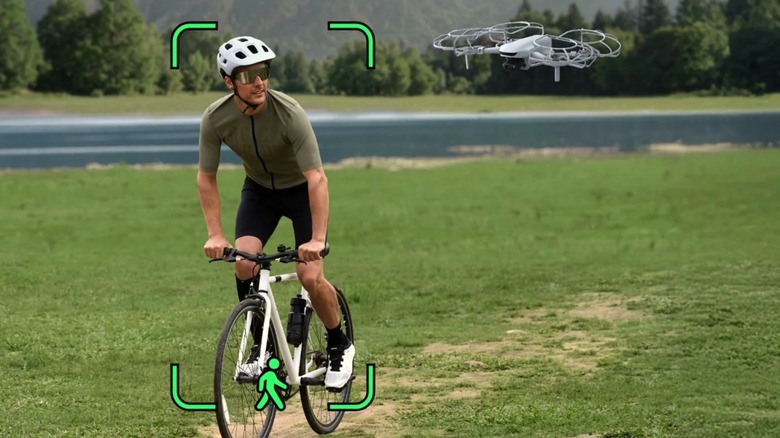
The standard battery offers 40 minutes of flight time, while a larger battery pack extends the flight time to 50 minutes — and increases weight. The batteries support fast charging and reach a full charge in 90 minutes. The Atom 3 also offers a large 1/1.3-inch image sensor that supports 50-megapixel photos and 4K video at 60 frames per second (fps) allowing users to capture "dynamic scenes with reduced motion blur and enhanced clarity." Additionally, a Next-Gen AI Night Mode improves nighttime photography. An AI Tracking 2.0 mode lets the drone track users from an altitude of only 4 meters (13 feet) and data transmission reaches 16 km (about 10 miles).
Potensic offers the Atom 3 in several variations. The Standard Kit is the cheapest, at $429.99, including the drone, one battery, and a controller that uses the user's smartphone. The most expensive kit is the $739.99 Fly More Combo Plus, which features a controller with a built-in display, three batteries with a dedicated charger, additional propellers, and a carrying case.
Why did the FCC ban foreign drones?
Security is the main reason why the FCC has added foreign-made consumer drones to the Covered List, and it explained that such devices can be used for military activities, such as surveillance, on U.S. soil. Malicious actors could use commercial drones for activities that may endanger the public. The FCC also said that domestic drone supply chain and manufacturing can "reduce the risk of direct UAS attacks and disruptions, unauthorized surveillance, sensitive data exfiltration, and other UAS threats to the homeland."
Drone buyers looking for a device like the Atom 3 may have to wait a long time for either the FCC to remove foreign drones from the Covered List or for U.S. drone makers to create similar models. Sub-250g drones like the Atom 3 should be safe for flying over people, considering FAA regulations, but the surveillance and data exfiltration seem to be the main concern for these recreational drones. In addition to drones, the FCC has also banned foreign-made internet routers for similar surveillance concerns.