

China's Hydrogen-Powered Plane Might Be The Answer To The Oil Crisis
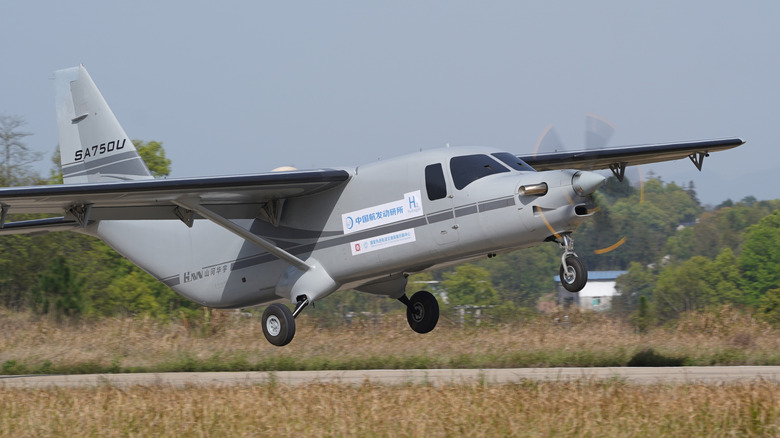
The Aero Engine Corporation of China recently conducted a successful test flight of an innovative 900-kilowatt hydrogen-powered turbo-shaft engine in the Hunan province of China. The flight was completed on April 4, with the AEP100 engine fixed to an SA750U unmanned transport aircraft, which can weigh up to about 16,500 pounds. The engine can produce around 1,200 horsepower, and works by feeding liquid hydrogen (LH2) directly into the combustion chamber. The flight lasted about 16 minutes, with the aircraft climbing to 1,000 feet and reaching a speed of 137 mph. China is known to be testing sustainable jet fuel production as well, solidifying the country's intentions to lead the adoption of renewable power in aviation.
The test has cast fresh light on sustainable aviation fuel alternatives in the face of a worsening global oil crisis. The oil crisis, primarily driven by the war in Iran, has increased fuel prices globally, resulting in significant economic impact in most countries. Hydrogen-fueled engines are one of the aerospace industry's most promising endeavors to achieve a clean-energy alternative to current jet fueled engines. Large aircraft manufacturers like Airbus have set ambitious goals for getting hydrogen-fueled aircraft introduced to its existing fleet. The technology is still in a developmental phase, and will require global collaboration to establish the infrastructure required to see the concept adopted. With efforts well underway in Europe and China, the technology could feature prominently in the future once infrastructure can be set up to support its use.
Overcoming hydrogen fuel challenges
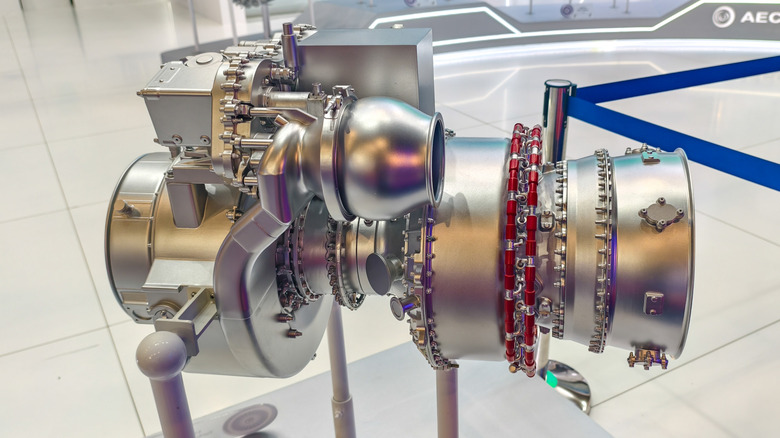
The aerospace industry is focused on two primary applications of hydrogen-based propulsion on aircraft, namely, LH2-fueled turbine engines, and electric engines powered by hydrogen fuel cells. Airbus confirmed in 2025 that it would focus its efforts on hydrogen fuel cells, while other initiatives such as this example in China focus on the adaptation of current turbine engine designs. While both schools of thought have merit, both are subject to the primary challenge of storing hydrogen onboard aircraft.
Cryogenic LH2 must be stored at minus 423 degrees Fahrenheit, and storage tanks tend to be large and heavy, not exactly suited for aircraft that require lightweight fuel storage mechanisms. Because of the weight associated with LH2 storage, the industry must find ways of adopting bleeding-edge composite dewar tanks for this purpose. The technology is being developed by NASA specifically for this purpose in addition to its uses on rockets, and has the potential to mitigate the drawbacks of storing LH2.
In addition to the challenges of storage, the only way to make hydrogen fuel viable for commercial airliners, is to drive the adoption of the technology on a global scale. Large airports will have to establish hydrogen fuel supply by building storage tank infrastructure, and establishing new commercial supply chain partnerships to obtain hydrogen at scale. Governments around the world will also have to drive initiatives to drive down the cost of hydrogen to make it commercially viable for airlines, and develop more sustainable ways of manufacturing hydrogen.
How hydrogen fuel can stabilize the aviation sector

The global oil crisis has caused commercial airline ticket prices to increase by as much as 22% in 2026 compared to the same time last year. Jet fuel comprises about 20% to 40% of operating expenses for airlines around the world, and the fluctuations in fuel prices are usually passed to consumers. If hydrogen-fueled engines could be used instead of kerosene-fueled engines, the cost volatility we see today could be avoided altogether.
While hydrogen technology continues to develop, the aviation sector may adopt a hybrid approach to fuel. Currently, sustainable aviation fuel (SAF) is already used in limited capacity with airlines globally. SAF is made from materials such as sustainably sourced cooking oil or biomass waste. Regulations mandate that SAF may be blended with jet fuel by up to 50%, and can be used on existing airliners without modifications. As the industry moves towards the adoption of hydrogen fuel, a blended approach using SAF will most likely be adopted in the near term.