

4 Robot Vacuum Brands That Users Recommend You Steer Clear Of
We may receive a commission on purchases made from links.
Robot vacuums offer a lot of convenience for people who want their homes cleaned daily but don't want the hassle of doing it by hand. These vacuum robots can be programmed to clean on a schedule, even getting to those hard-to-reach areas, in homes that are busy or have pets that shed a lot. While they can save you a huge amount of time in home maintenance, they can be a significant investment, especially if you're going for mid-range or premium models with features like LiDAR smart mapping, AI obstacle avoidance, high suction power, and a self-cleaning station.
While some brands make high-quality robots, others fall short to the point that their ratings on storefronts and review websites tell you one thing: you need to stay away from them. It makes sense that if you buy something that will be a daily driver for your home's maintenance, the last thing you want is for it to give you more problems than it's worth. After looking at reviews and ratings left by people who have bought robot vacuums, some brands have stood out, but in the wrong way. For many users, reliability seems to be the biggest deal breaker.
iRobot
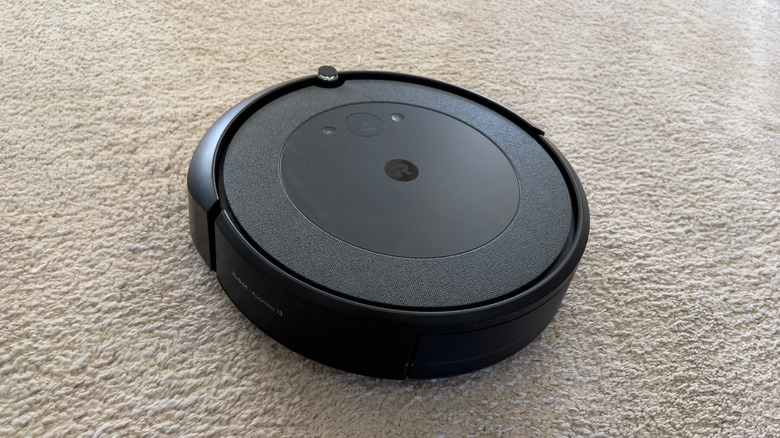
iRobot is one of the pioneering giants in the robot vacuum business, with a 42% market share, thanks to its line of highly popular autonomous robotic cleaners known as Roombas. However, that didn't stop iRobot from filing for Chapter 11 bankruptcy in December 2025, leaving many Roomba users wondering what this means for the units they've already bought. Luckily, the company was bought out by its primary manufacturer, Shenzhen Picea, a Chinese probiotics manufacturer, in January 2026, and iRobot is back in business.
Still, this has left a sour taste in the mouths of many, and users often recommend staying away from it because, despite being the grandfather of the industry, iRobot still has a few kinks to work out, leading people to recommend other brands over its Roombas. The biggest complaint on several of its models is reliability. Several people report that their units stopped working after a few days or glitched and never functioned properly again. Other complaints centered on the battery, with reports that their Roombas ran out of juice after cleaning one room or had charging issues. There are also complaints that units get stuck on carpets, in corners, and under furniture, indicating problems with the navigation system.
Shark
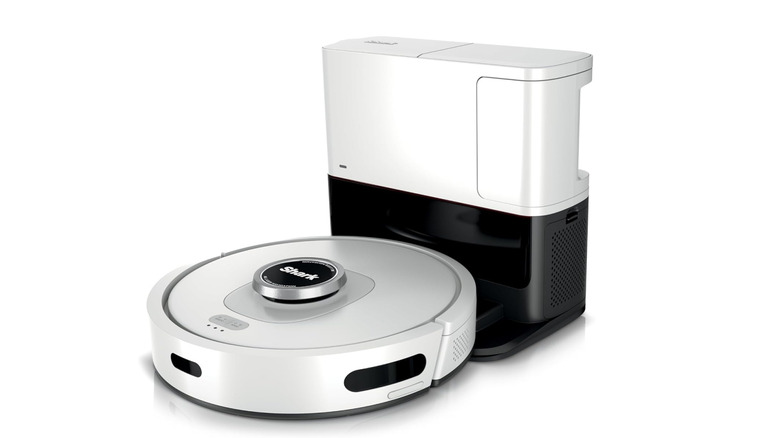
Shark is a brand of home appliances and beauty products owned by the $6 billion corporation SharkNinja. It has a worldwide presence, with its products, including Ninja kitchen appliances, available in over 180 retail locations. When it comes to its Shark robot vacuums, such as the Shark AV2501S and Shark Matrix Clean, users are pretty satisfied with their cleaning performance, noting that navigation works well and that the units map the house efficiently. Quality is another point of satisfaction, with users stating that they vacuum homes very well, especially when it comes to picking up pet hair.
When users say you should avoid Shark, it comes down to reliability, which has a negative user sentiment on several of its models. Many say they stop working after running for a few weeks to a year. Others have issues with the robots randomly shutting down or refusing to turn on, and say they aren't worth the money, given that most cost over $500.
Users also complain about noise levels, saying that some models are particularly loud on hardwood and tile floors. Several complaints have noted that the Shark PowerDetect Self-Empty Robot Vacuum, in particular, gets very noisy when emptying, even though it receives favorable ratings for being a low-maintenance unit.
Eureka
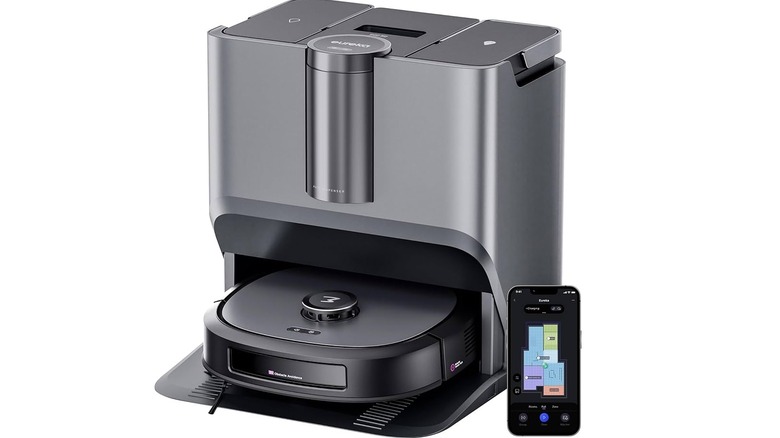
Eureka has been a major player in the home appliance market for over 100 years. It was founded in 1909 by Fred Wardell in Detroit, Michigan, and became the second-largest manufacturer of vacuums in the U.S. within the decade. This is all to say that Eureka is a historically American brand well known worldwide. Today, it's owned by Midea, a Chinese manufacturer that acquired it in 2016. Fast forward to today, and Eureka has its own line of robot vacuums that have complaints from users.
Looking at several of Eureka's robot vacuums shows that users rate them highly for cleaning performance, suction power, obstacle avoidance, ease of use, and value for money. But one area where the user opinions are mixed across its range of robot vacuums is how long they last. While some say they've been using them for a long time, others say they only last a few months before they stop working. Users complain that problems gradually creep up, with LiDAR, mobility, suction, and the brush system failing randomly. What's interesting to see is that users say these robot vacuums, when they work, exceed expectations.
Dyson
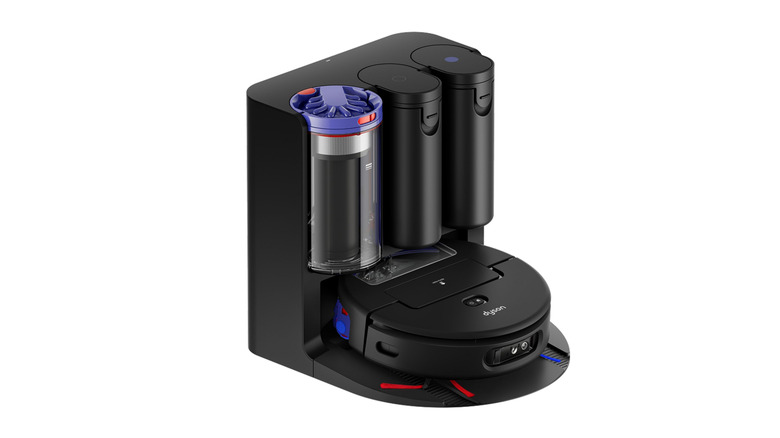
Dyson is a technology company known for releasing high-end home appliances and has been around since 1993. It's popular for being the first company to develop the first cyclonic vacuum cleaner that delivers consistent suction power without the hassle of replacement bags. Even though it invests heavily in research and development (R&D) to drive revenue, some users have recommended staying away from its robot vacuums.
A good example is its flagship robot vacuum, the Dyson 360 Vis Nav. On paper, it offers many features users look for in high-end robot vacuums, including high suction power, 360-degree navigation, compatibility with all floor types, self-charging, scheduling, routines, and easy maintenance. However, for a $999.99 robot vacuum, you'd expect to hear fewer complaints about its navigation, with users saying it usually gets lost and wanders. Another major complaint is that it tends to get stuck in unusual places, especially around air vents and floor registers.
Dyson's newer flagship model, the Dyson Spot+Scrub AI, is an even more expensive robovac, costing $1,199.99. It has AI-powered cleaning that spots and cleans spills and stubborn stains. Other notable features include its bagless self-emptying, ability to store dirt up to 100 days, and customizable routines. Users, on the other hand, point to frequent issues such as getting stuck on rugs, inconsistent spill cleaning, and missing tough stains. Again, for that price, these are not issues anyone wants to hear a flagship robot has.
How we picked these vacuums
While there are many professional critics' reviews of the vacuums produced by the brands mentioned here, we chose to focus on user feedback because it reflects the real-world experience of which robot vacuums to avoid. A good starting point was Reddit, where people go to ask about which brand to choose or avoid, but we wanted to get opinions from people who have bought units from these brands and have shared their experiences.
A major source of information was Amazon, where we reviewed ratings from verified purchases to identify customer pain points with robovacs, particularly navigation, cleaning performance, reliability, and battery life. We also excluded cheap knock-offs of popular brands, since this list would be full of them if we didn't.